
This 36-profile first edition puts identity, exclusions, evidence, interactions, and stewardship before preparation.
Being Tea Co provides education, not medical advice, treatment, or positive plant identification. Natural does not mean risk-free. Never ingest a wild plant or fungus from a photograph, app result, common name, or this website alone.
Herbs can cause allergic reactions and interact with medicines. Pregnancy, breastfeeding, childhood, surgery, seizure history, kidney or liver conditions, and other health factors can change what is appropriate. Ask a qualified clinician or pharmacist about your own situation.
Coverage is finite and explicit: reviewed here, learn-only here, or not yet covered. No plant outside this library is implied safe.
Safety classes
| Kitchen / garden | A correctly labeled grocery, garden, or reputable dried ingredient used in ordinary food amounts. Not universally safe. |
|---|---|
| Guided food use | A specific wild food part that still requires whole-plant identification, permission, a clean site, conservative harvest, and exact preparation. |
| Purchased only | A correctly labeled commercial ingredient or cooked food is required; the page publishes no wild-harvest recipe. |
| Mentor-first / Learn only | Observation and research only. The page intentionally publishes no ingestion recipe or dose. |
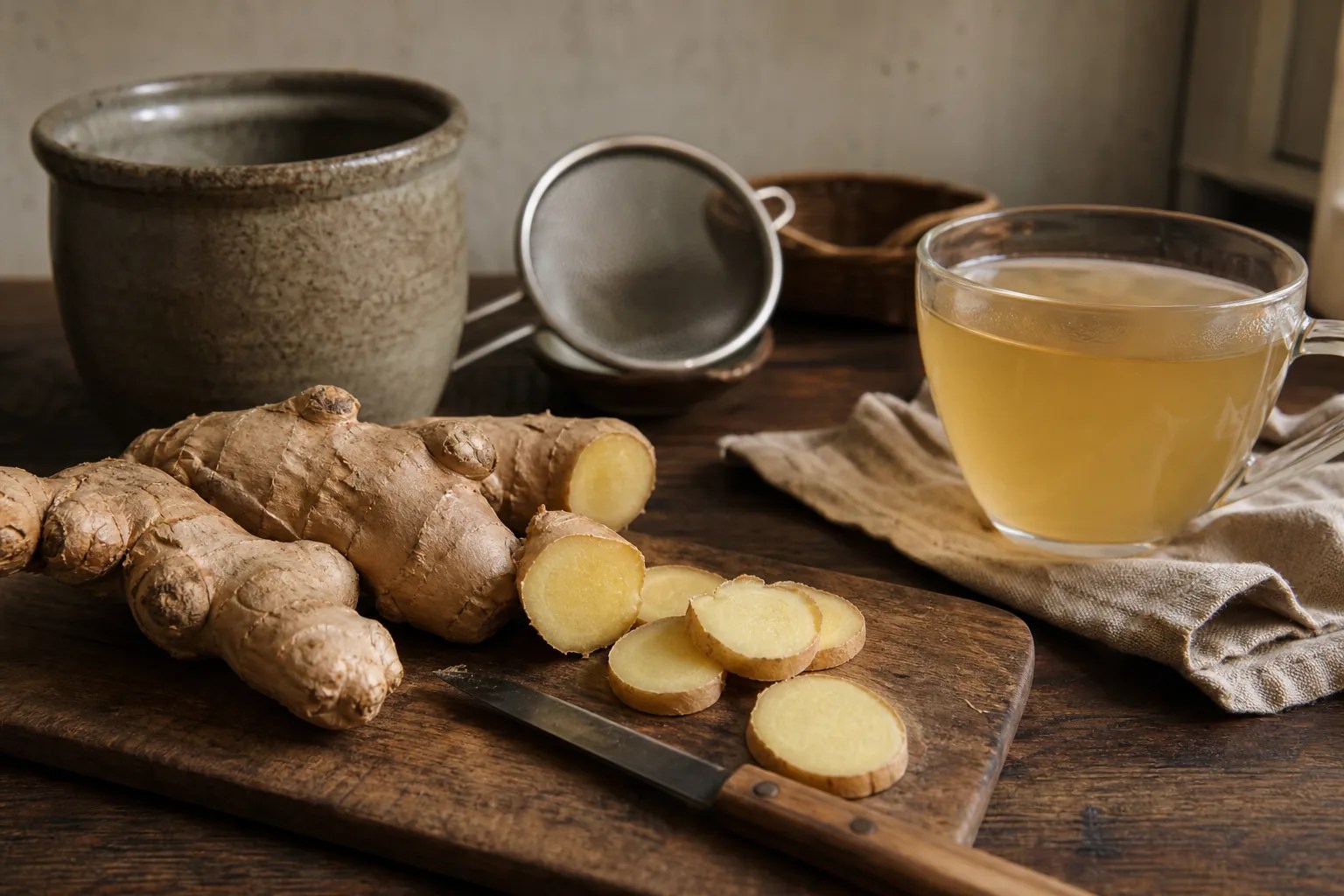
Ginger · Starter kitchen
Zingiber officinale. Food-grade rhizome. A warming, pungent kitchen infusion with some human research behind specific nausea and menstrual-cramp questions—but not a cure-all.

Culinary sage · Starter kitchen
Salvia officinalis. Labeled culinary leaf. An aromatic culinary infusion that must not be generalized to every plant called sage.
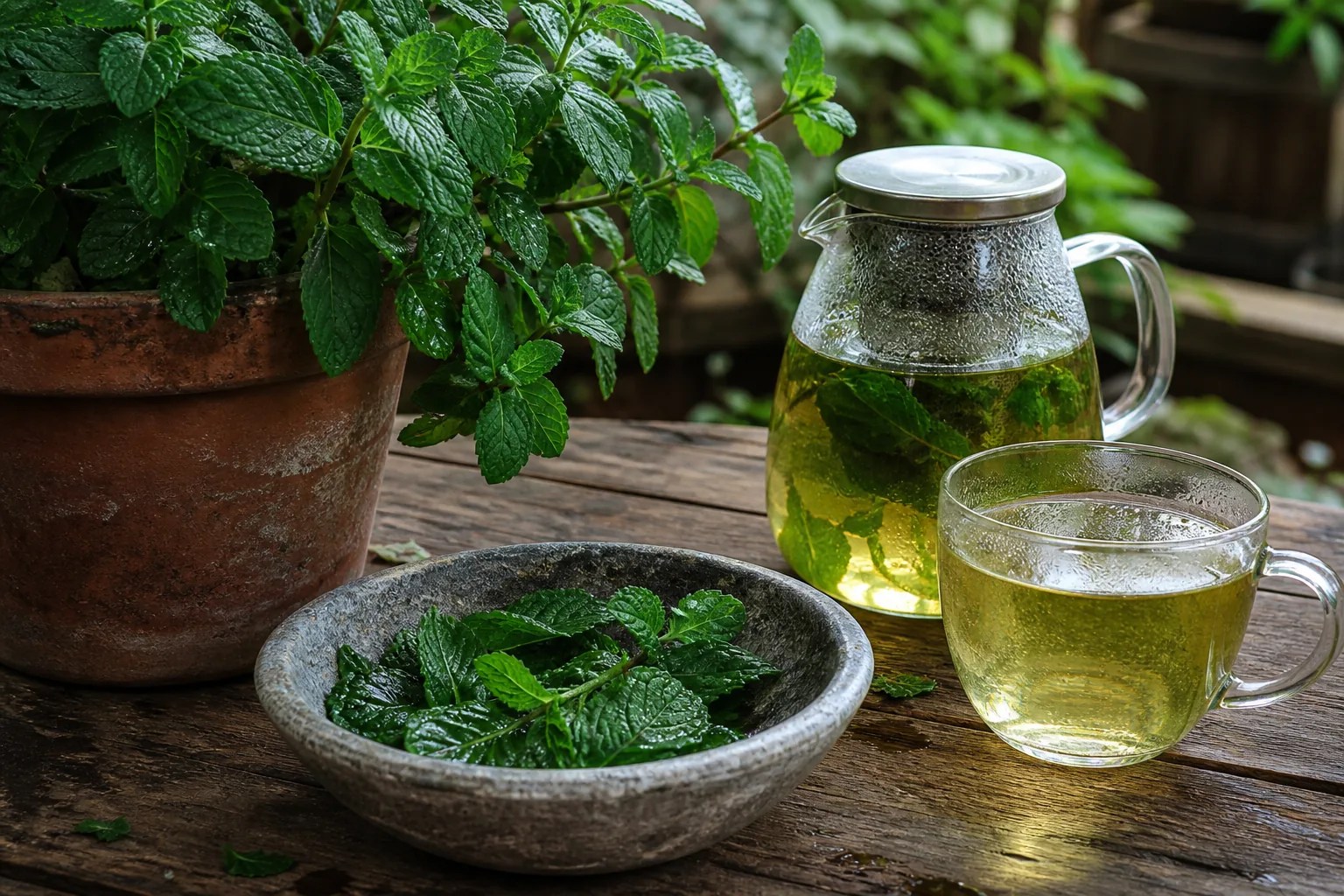
Peppermint · Starter kitchen
Mentha × piperita. Labeled culinary leaf. A familiar cooling infusion whose tea is not equivalent to concentrated peppermint oil.
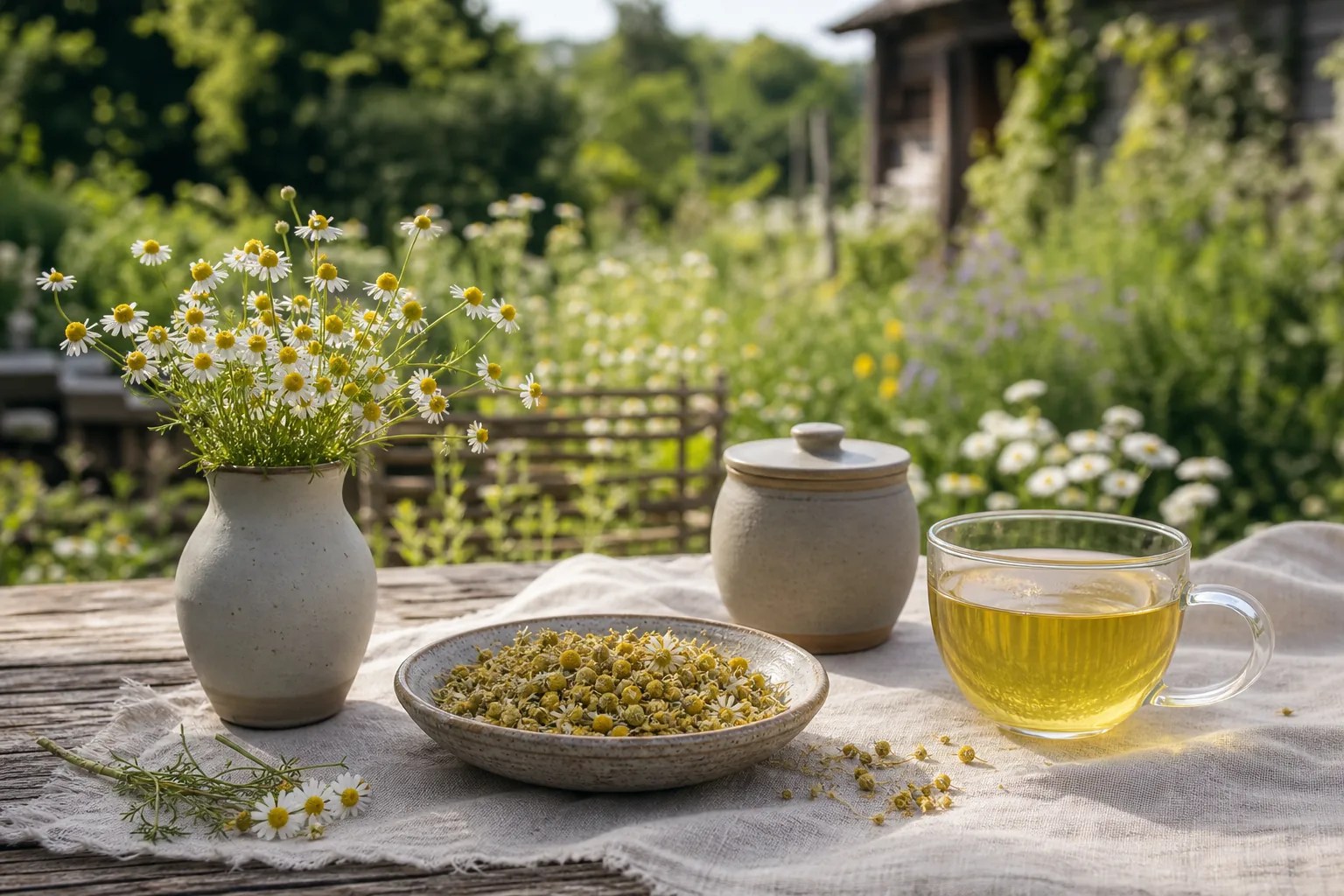
German chamomile · Starter kitchen
Matricaria chamomilla / Matricaria recutita. Food-grade flower heads. A soft floral infusion with a long household history and an important daisy-family allergy caution.
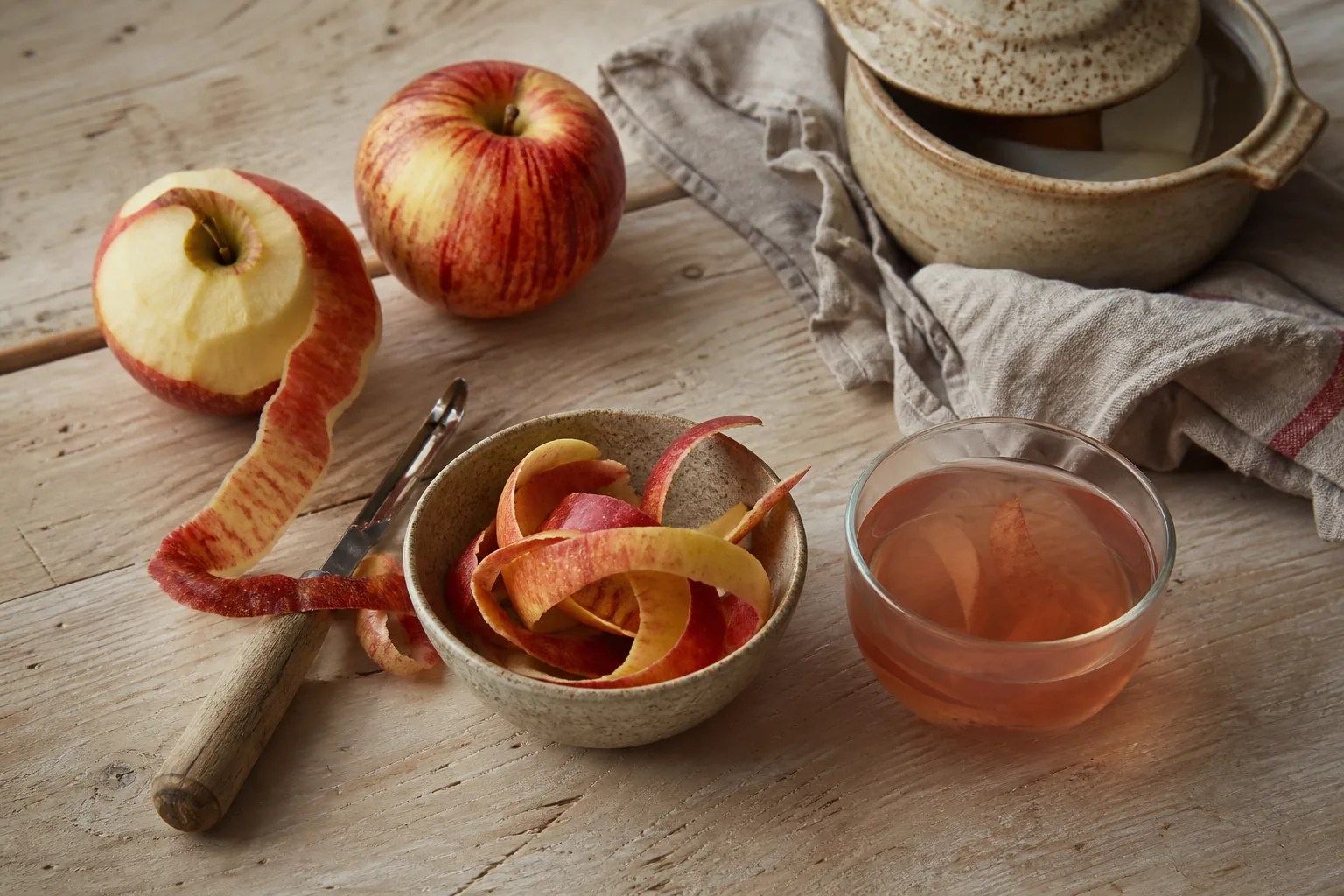
Apple peel · Starter kitchen
Malus domestica (food apple). Fresh peel only; exclude seeds, core, rot, and mold. A gentle way to use clean apple peel as flavor before composting it—without turning food-waste reduction into a detox claim.

White spruce tips · Mentor-first
Picea glauca. Tender new lateral tips after budbreak. A resinous northern research lead that requires in-person tree identification, land permission, and restraint. This starter page intentionally gives no recipe.
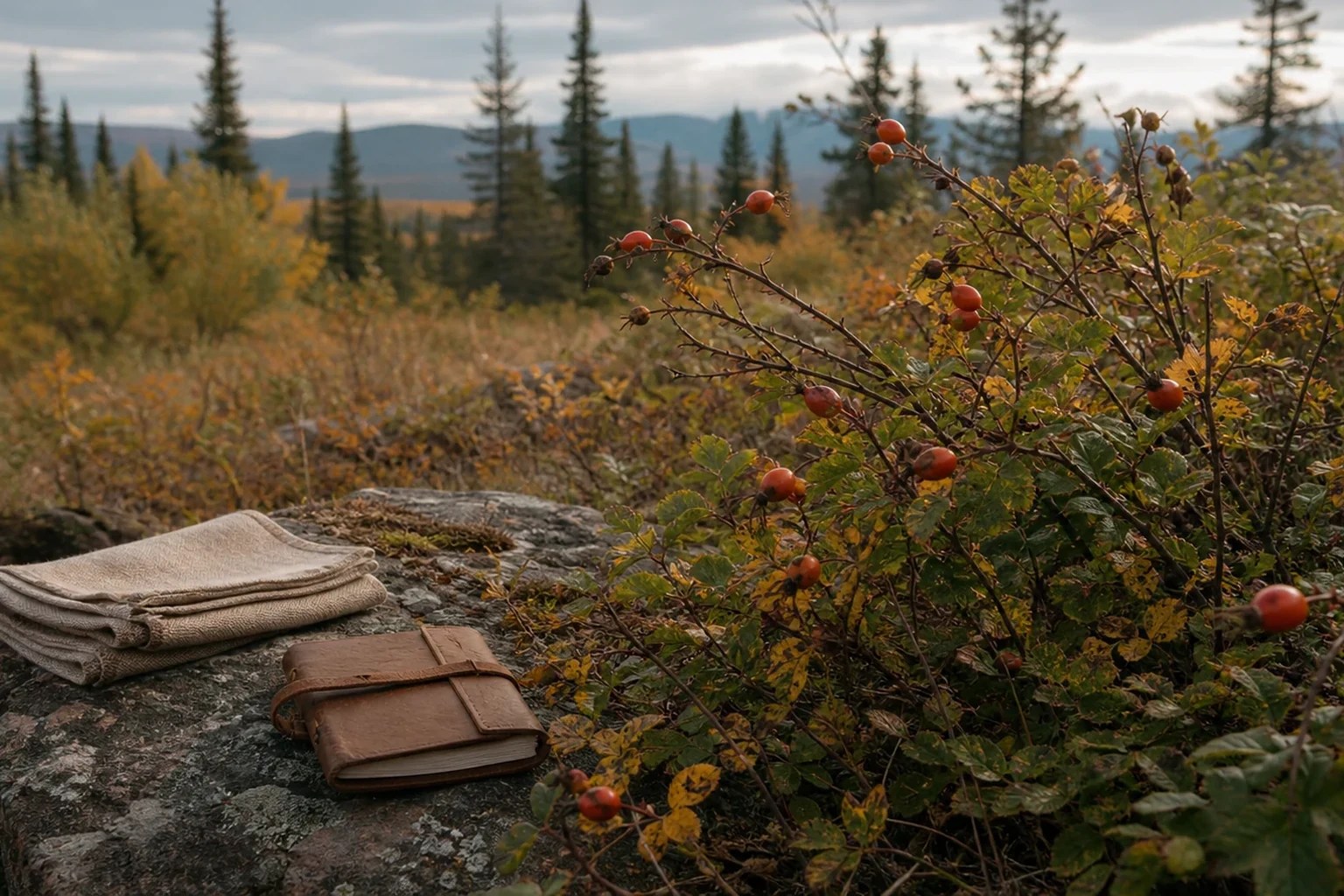
Woods’ rose hips · Guided beginner
Rosa woodsii. Fully ripe orange-red hip; internal hairs removed or finely strained. A tart seasonal food with fine internal hairs that demand careful preparation and a shrub best confirmed while flowering.
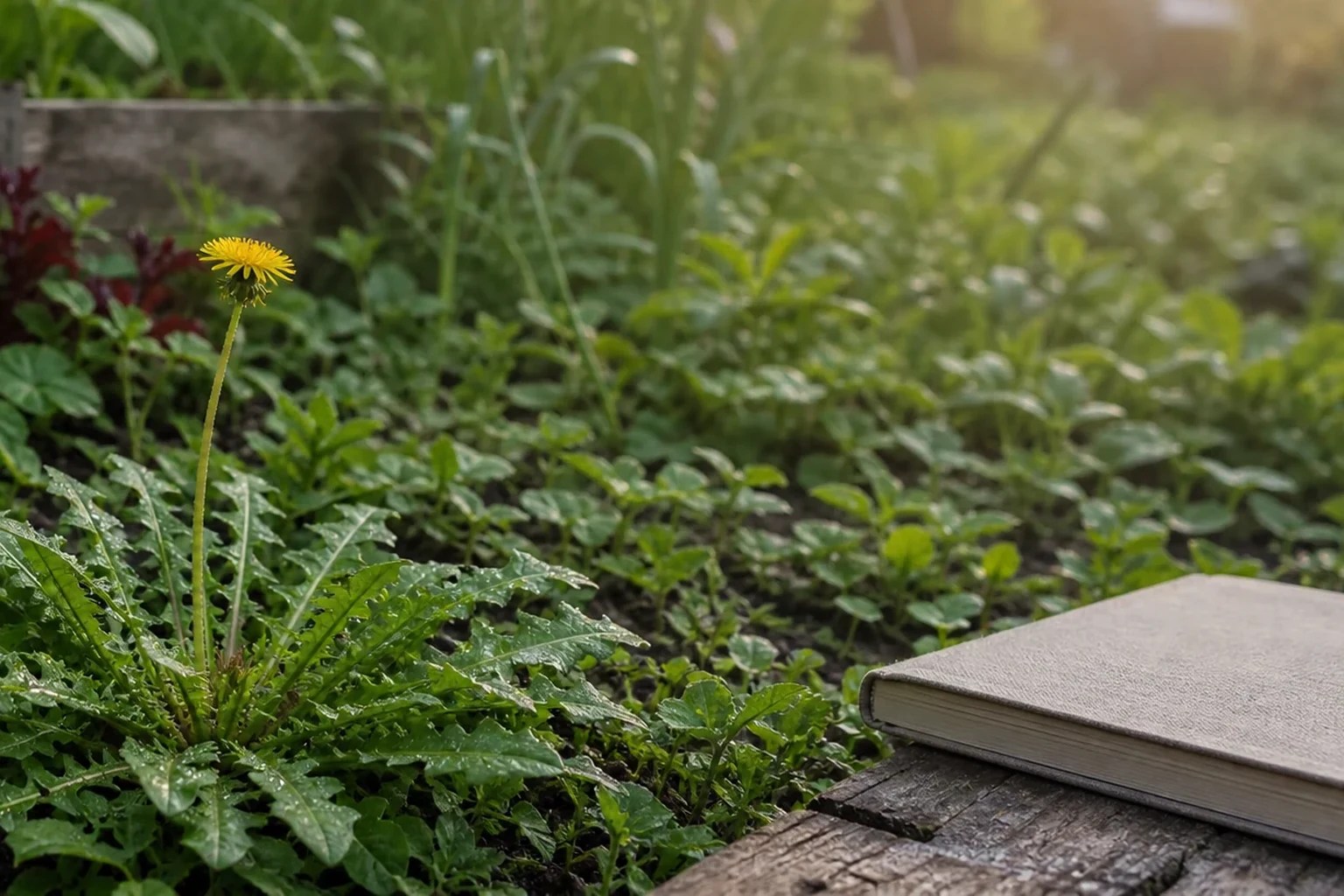
Common dandelion · Guided beginner
Taraxacum officinale. Young leaf or flower from a verified clean site. A bitter culinary plant—not a detox—with a simple-looking form that still requires a clean site and positive identification.
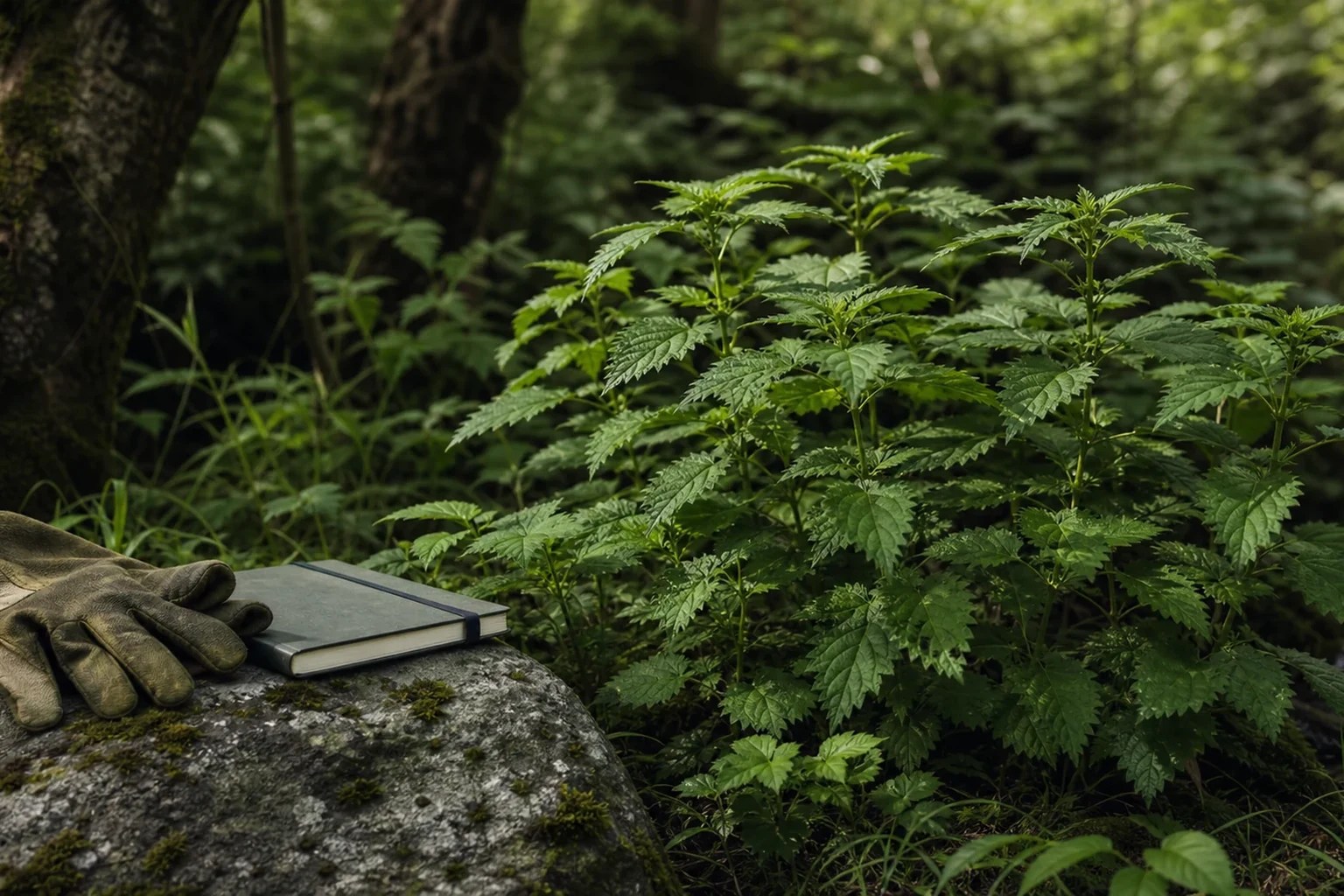
Stinging nettle · Guided beginner
Urtica dioica. Young leaf, fully dried or cooked to neutralize stings. A nutritious plant after correct handling, but raw fresh leaves sting and lookalike, pregnancy, kidney, and medication questions require care.
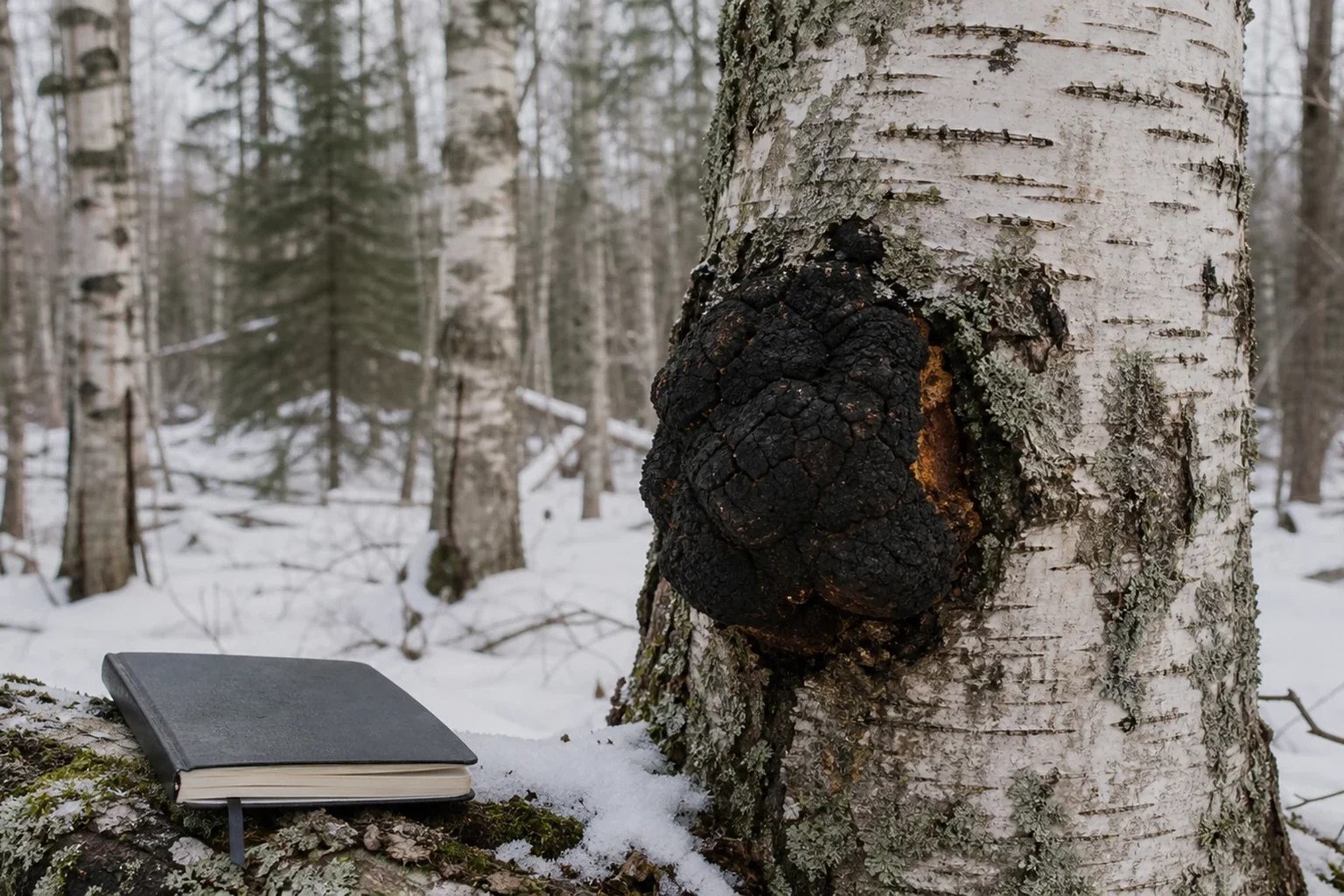
Chaga · Learn only
Inonotus obliquus. Sterile conk on a living birch—education only. A culturally interesting fungus surrounded by overstated health claims, identification errors, medication concerns, kidney-injury case reports, and sustainability questions.
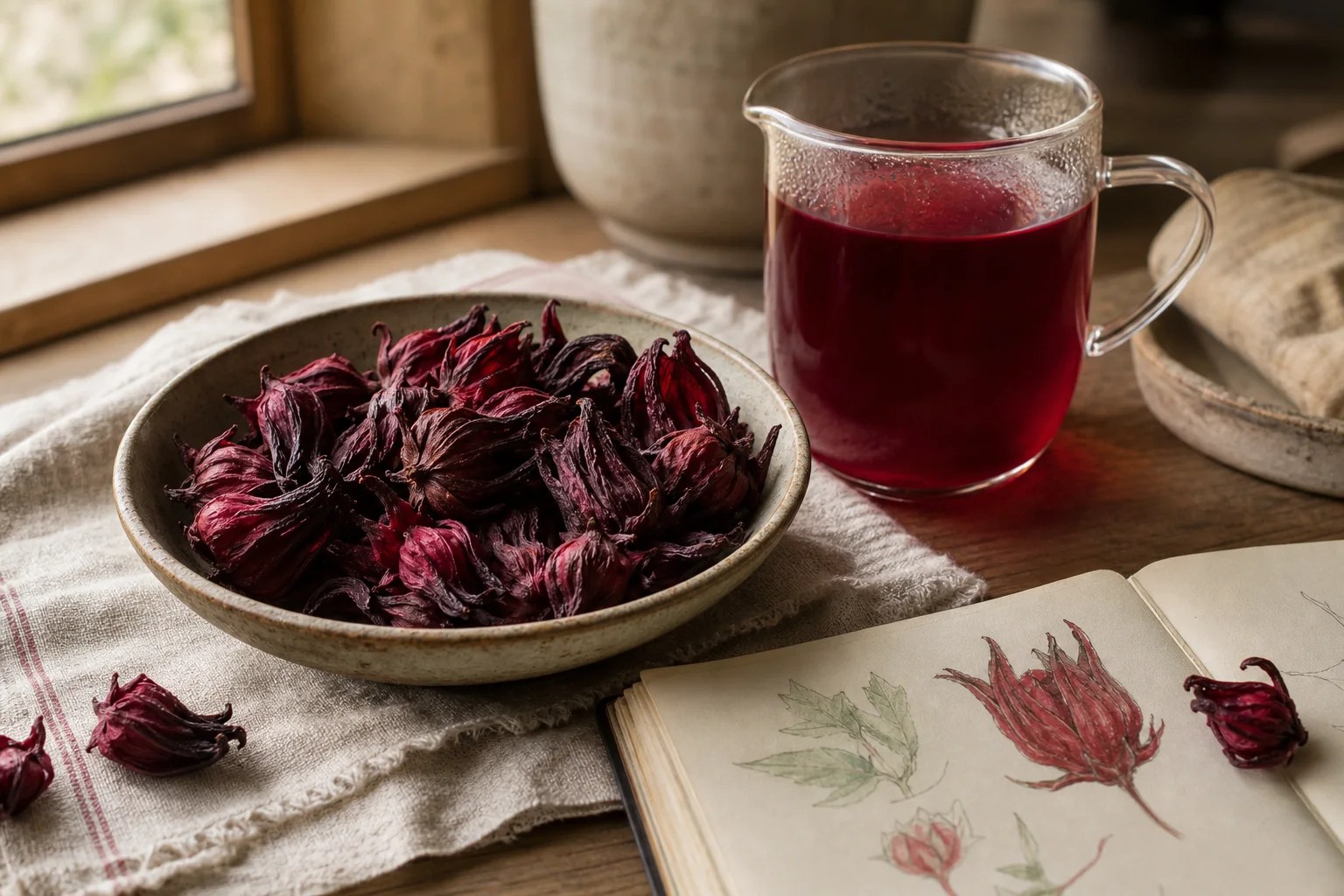
Roselle hibiscus · Kitchen infusion
Hibiscus sabdariffa L.. Food-grade dried fleshy calyx surrounding the fruit. A ruby-red tart infusion made from roselle calyces—not generic ornamental hibiscus—with human blood-pressure findings that call for restraint around medicines and low blood pressure.
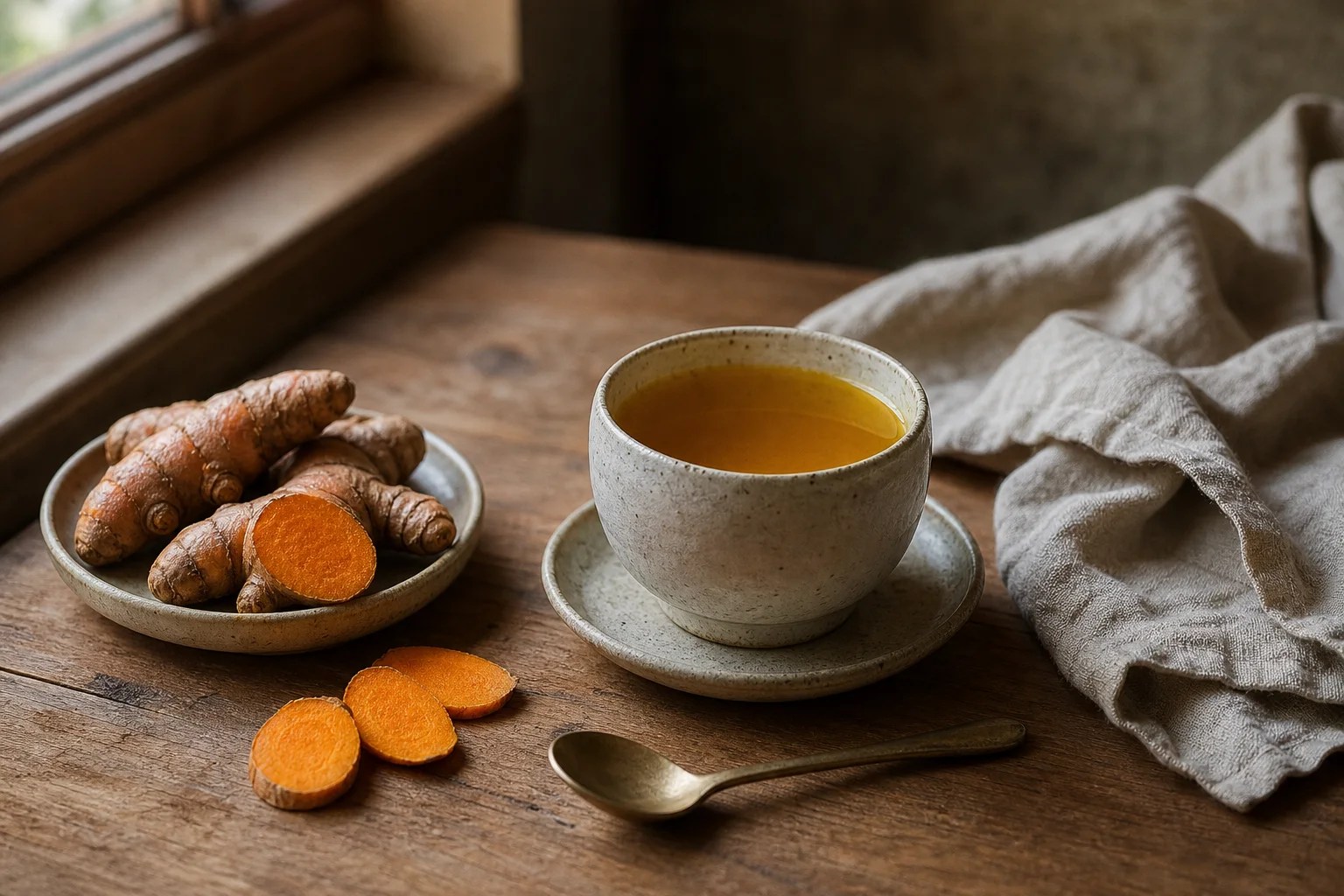
Turmeric · Starter kitchen
Curcuma longa L.. Food-grade fresh or dried rhizome. A golden culinary rhizome with deep South Asian food and ceremonial histories, uncertain clinical benefit, and a safety line between modest spice use and concentrated or absorption-enhanced supplements.
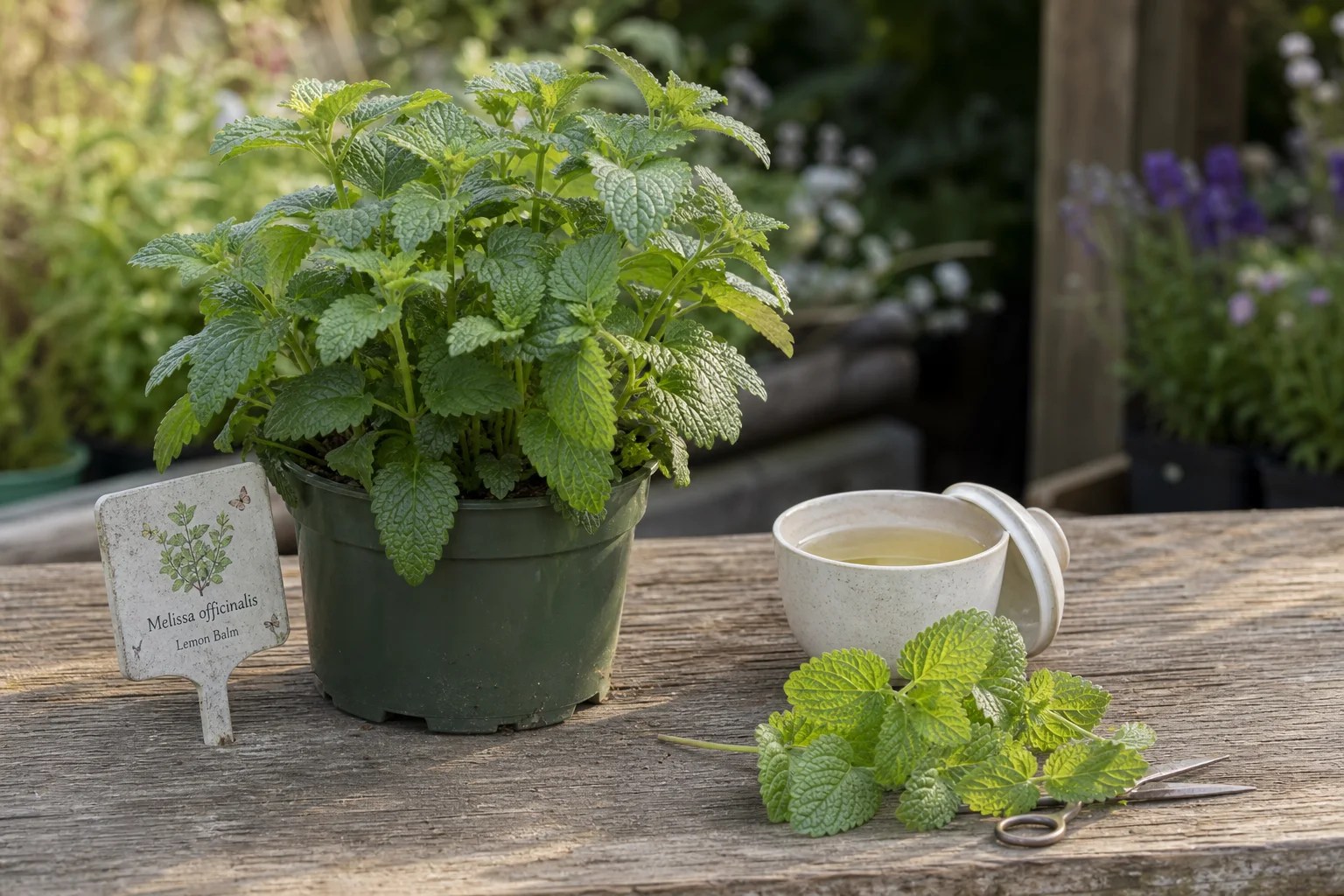
Lemon balm · Starter garden
Melissa officinalis L.. Labeled food-grade leaf. A lemon-scented mint-family leaf with a long calming-tea tradition, limited product-specific human research, possible drowsiness, and a laboratory thyroid signal that deserves honest labeling.
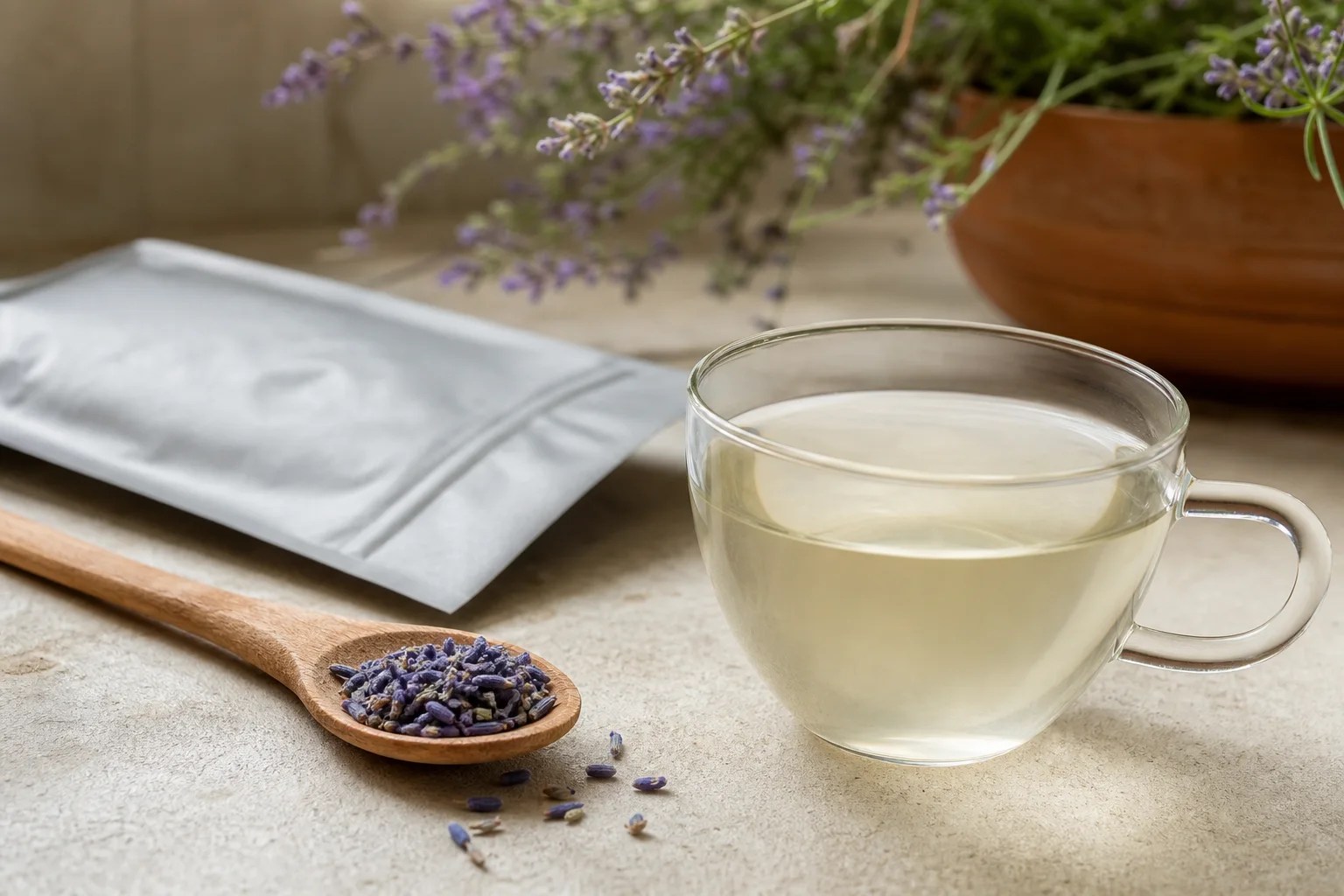
English lavender · Kitchen accent
Lavandula angustifolia Mill.. Food-grade dried flower or flower bud. A highly aromatic flower best used as a measured culinary accent, with preliminary calming research that mostly concerns standardized oil products rather than a pale household infusion.

Lemongrass · Starter kitchen
Cymbopogon citratus (DC.) Stapf. Food-grade leaf, including the tender basal leaf sheath sold as a culinary stalk. A bright citrus-scented culinary grass with a modest food-infusion route, sparse human evidence, and important distinctions from citronella grass and concentrated essential oil.
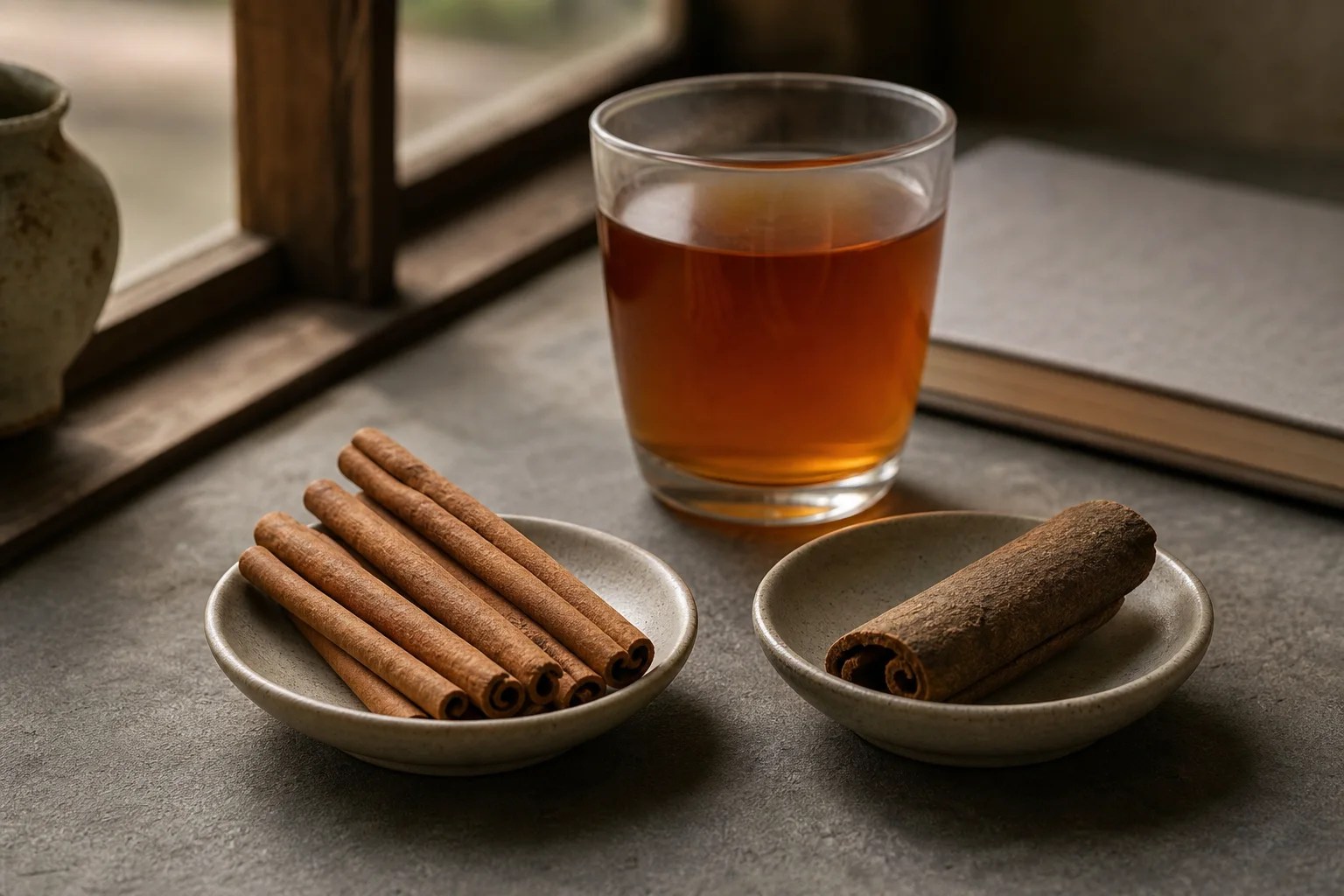
Ceylon cinnamon · Grocery spice
Cinnamomum verum J.Presl. Dried inner bark; Ceylon cinnamon only for this profile. A fragrant bark for an occasional culinary cup, with a species label that matters because Ceylon and cassia cinnamons differ in coumarin content and cannot share one evidence claim.
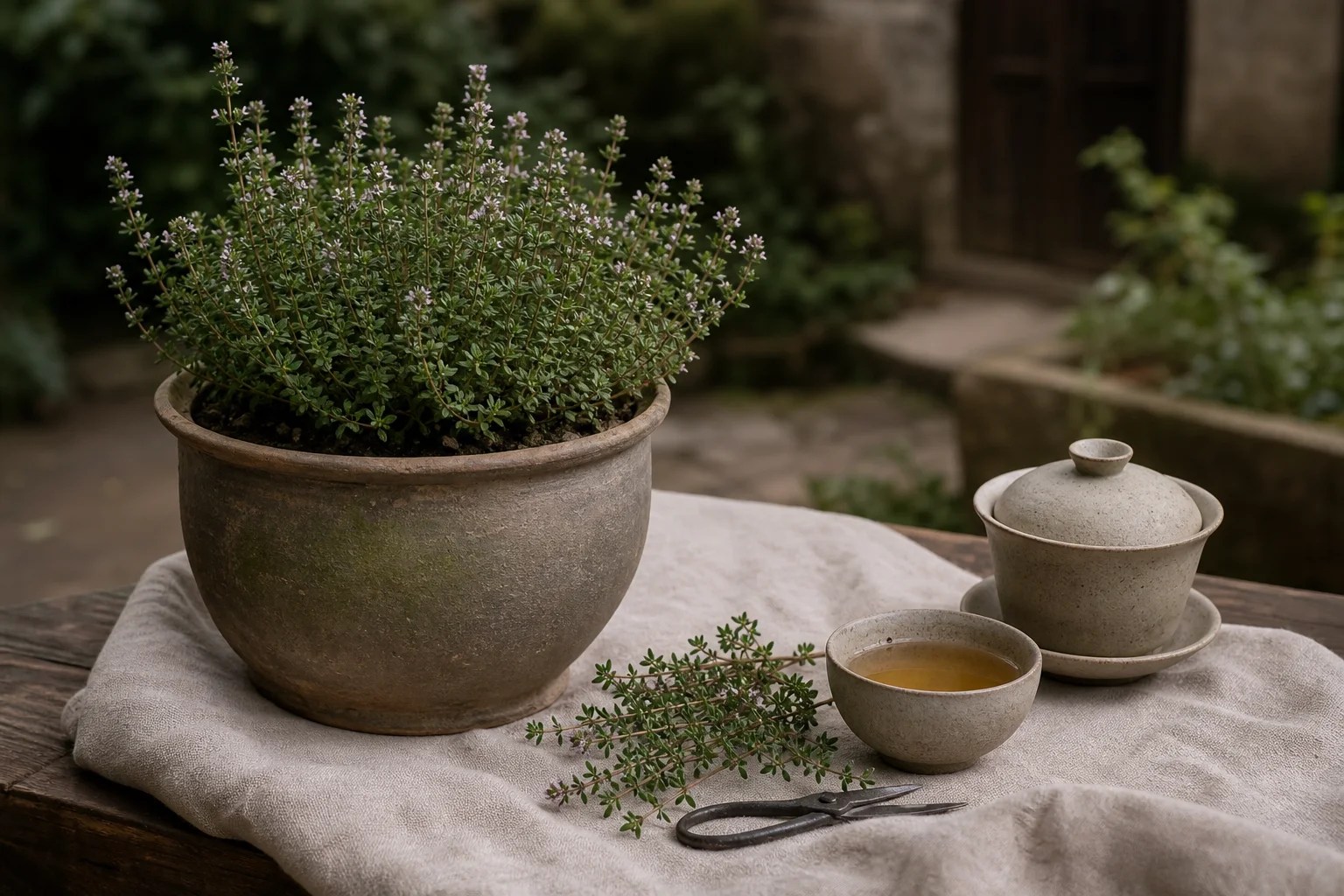
Common thyme · Starter kitchen
Thymus vulgaris L.. Labeled culinary leaf and tender flowering top. A familiar Mediterranean culinary herb whose productive-cough use is recognized by European regulators as traditional—not clinically proven—and whose essential oil does not belong in a home cup.
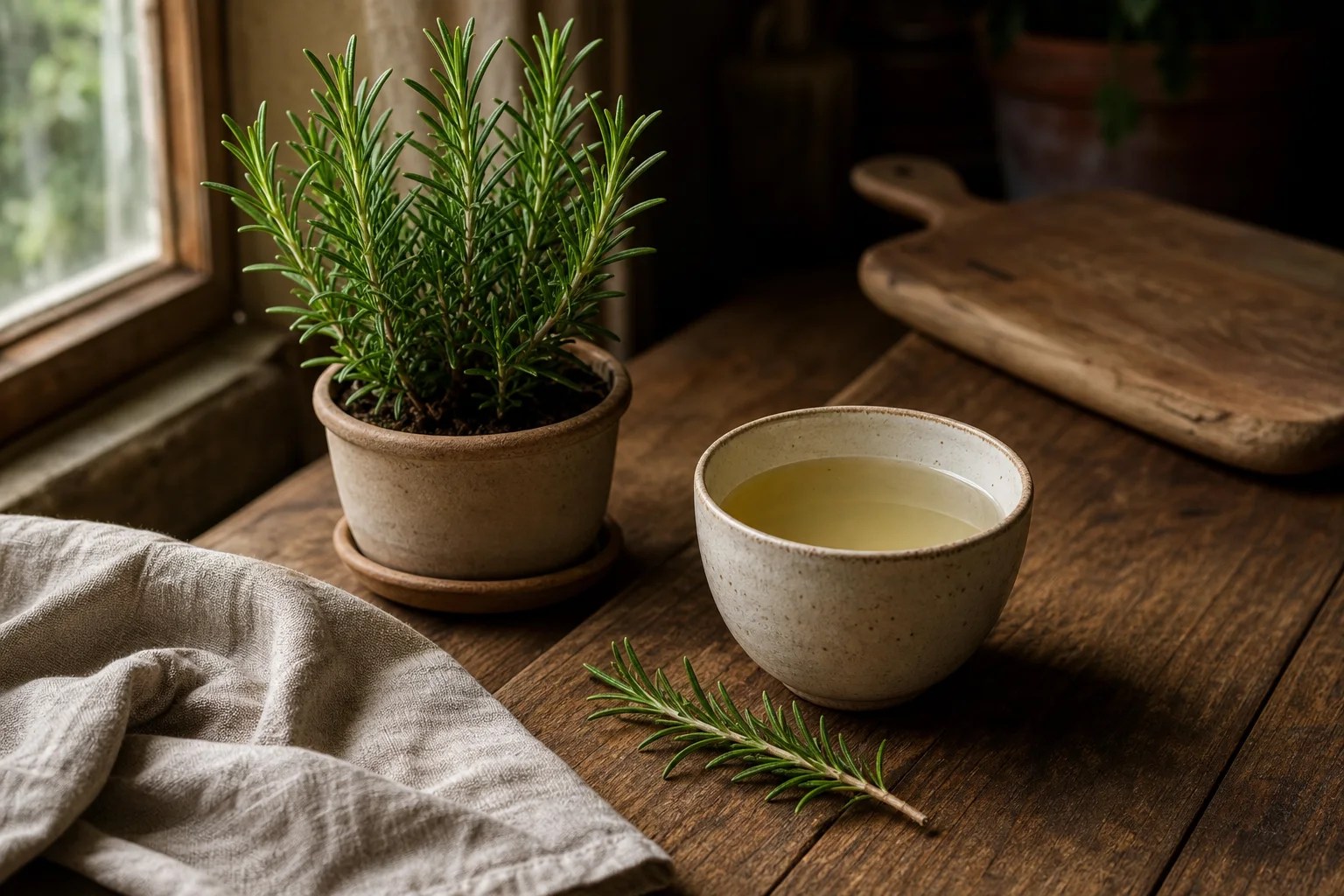
Rosemary · Kitchen accent
Salvia rosmarinus Spenn. (syn. Rosmarinus officinalis L.). Labeled culinary leaf. A resinous Mediterranean culinary leaf whose accepted botanical name has changed, with traditional digestive use but no basis for turning a modest kitchen cup into a memory or circulation treatment.
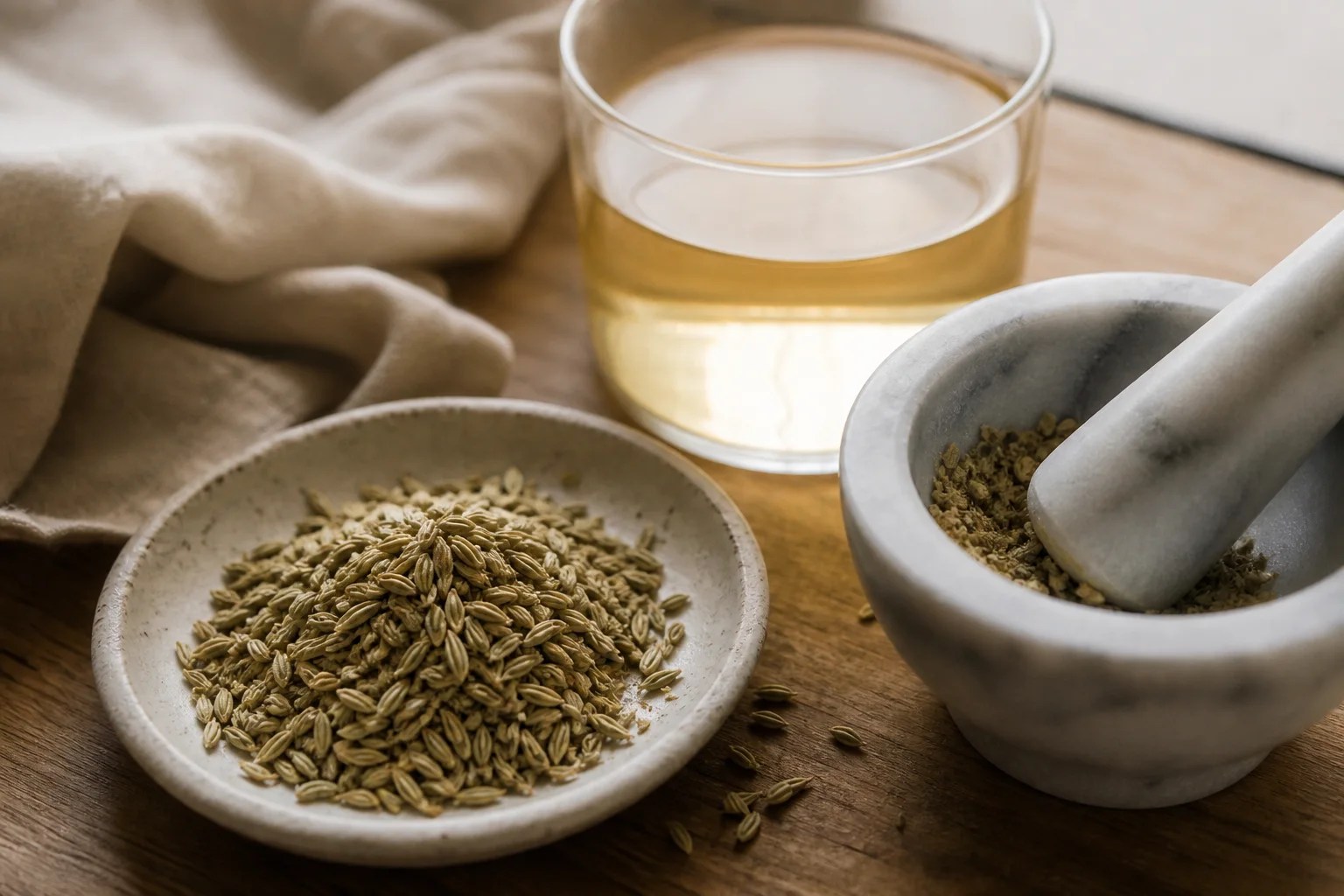
Sweet fennel fruit · Adult occasional use
Foeniculum vulgare Mill. subsp. vulgare var. dulce (Mill.) Batt. & Trab.. Dried ripe fruit, commonly sold as “fennel seed”. A sweet anise-scented kitchen fruit kept to occasional adult use because traditional-use evidence is limited and current authorities flag allergy and estragole concerns, especially for vulnerable groups.
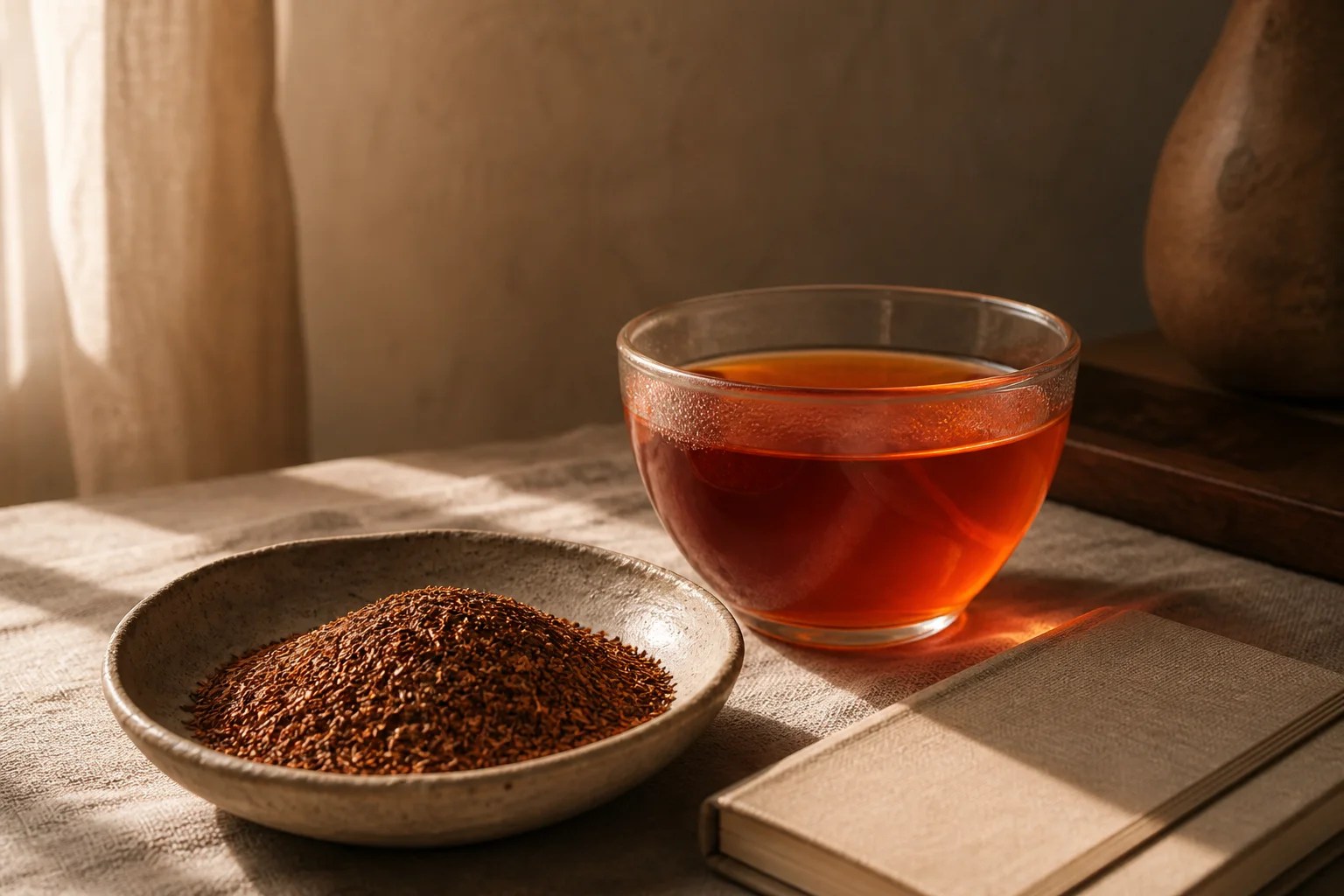
Rooibos · Grocery infusion
Aspalathus linearis (Burm.f.) R.Dahlgren. Chopped, dried leaves and young stems, usually oxidized or “fermented”. A South African herbal infusion valued for flavor and a naturally caffeine-free cup, while small human studies, laboratory interaction signals, and rare liver reports argue against turning it into a treatment or extract regimen.
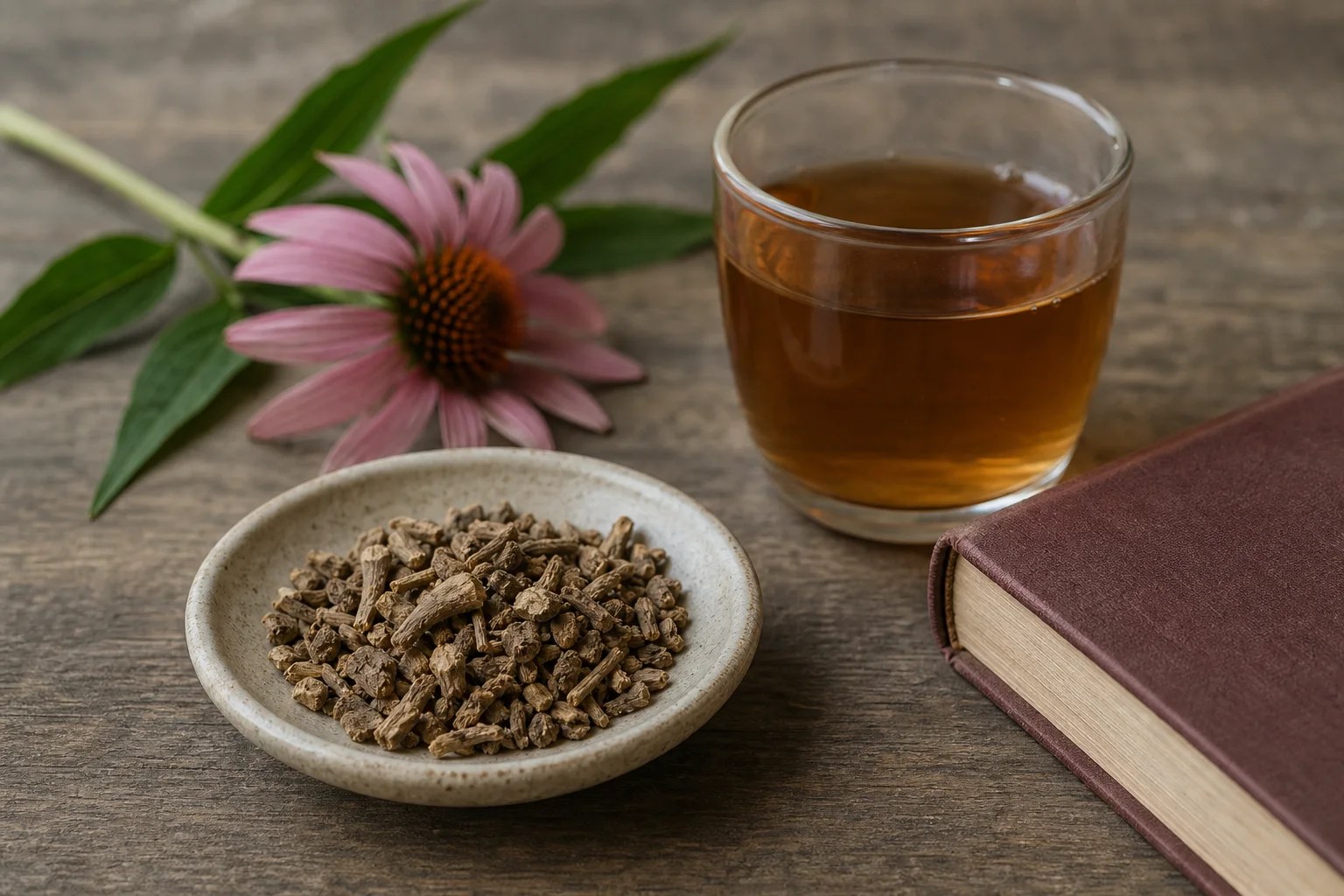
Purple coneflower · Purchased product only
Echinacea purpurea (L.) Moench. Flowering aerial parts; root and other Echinacea species excluded. A widely marketed coneflower whose species, plant part, and extraction method change the product—while cold benefits remain modest or uncertain and allergy can be serious.
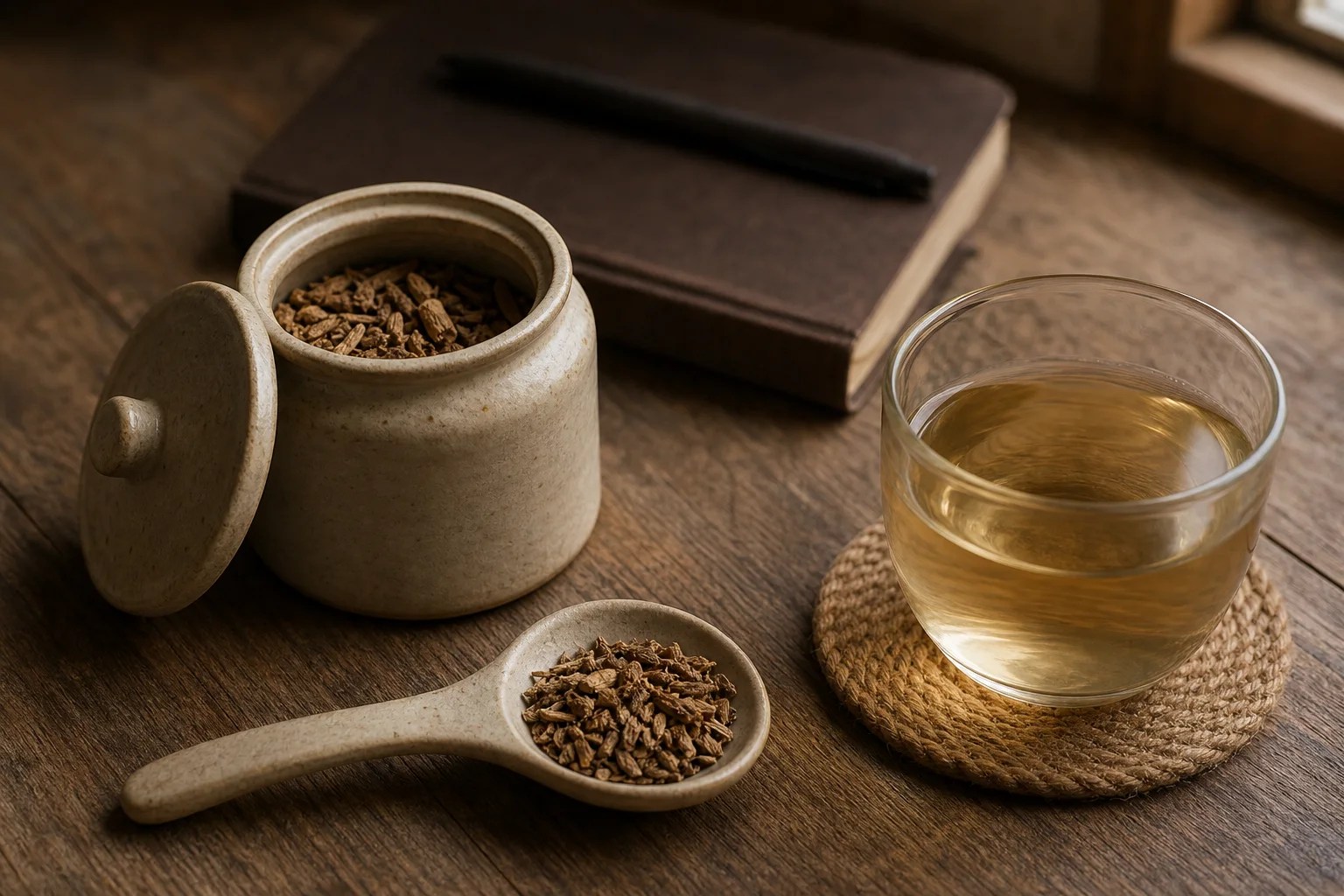
Valerian root · Purchased adult product
Valeriana officinalis L.. Dried root and rhizome; aerial parts and essential oil excluded. A pungent medicinal root with inconsistent sleep evidence and meaningful sedation, driving, pregnancy, alcohol, and long-term-use cautions.
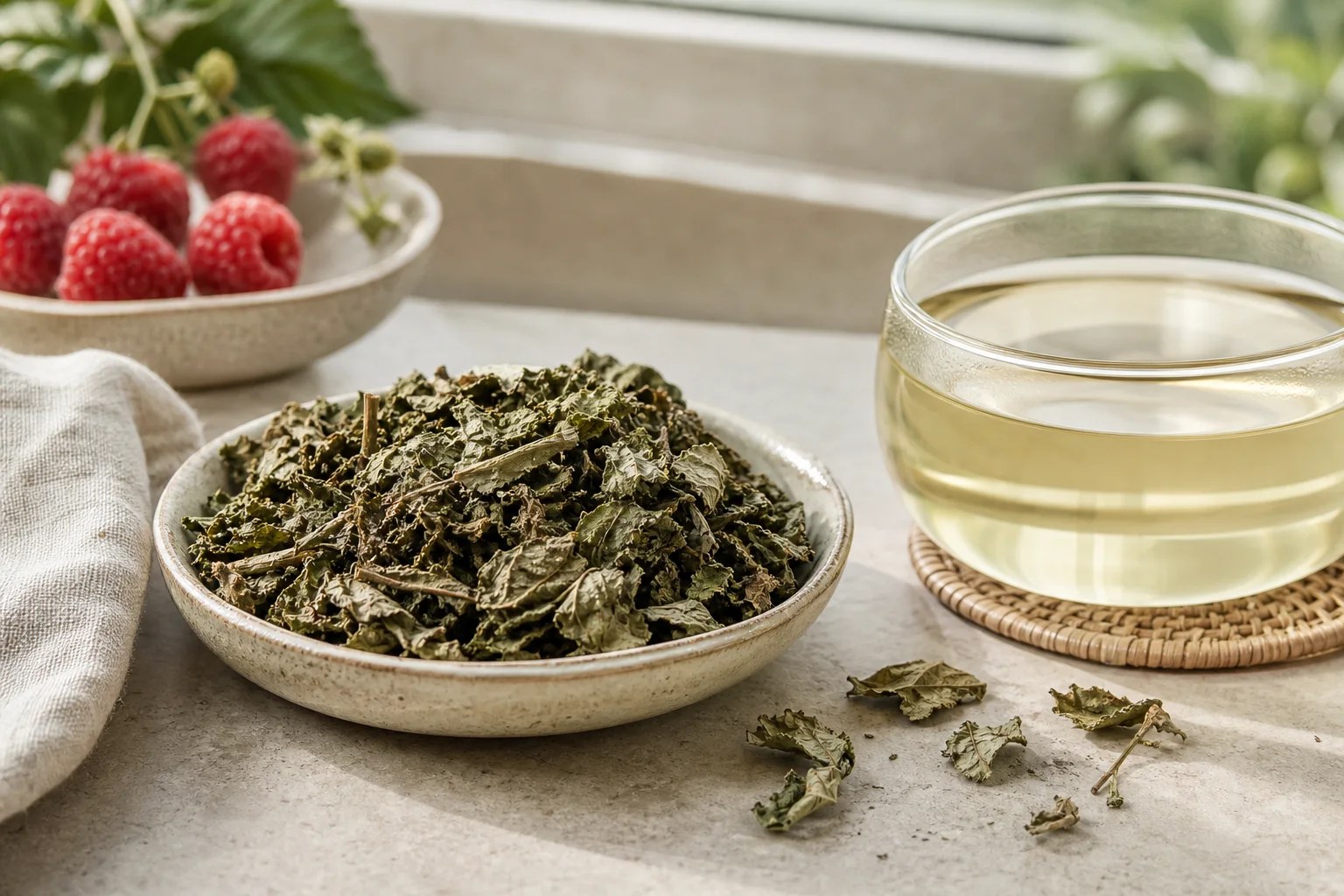
Red raspberry leaf · Purchased adult infusion
Rubus idaeus L.. Dried, cut leaf; fruit and flavoring excluded. A leaf—not a berry tea—whose labor and “uterine tonic” reputation rests on limited, uncertain evidence and requires especially careful pregnancy and medication guidance.
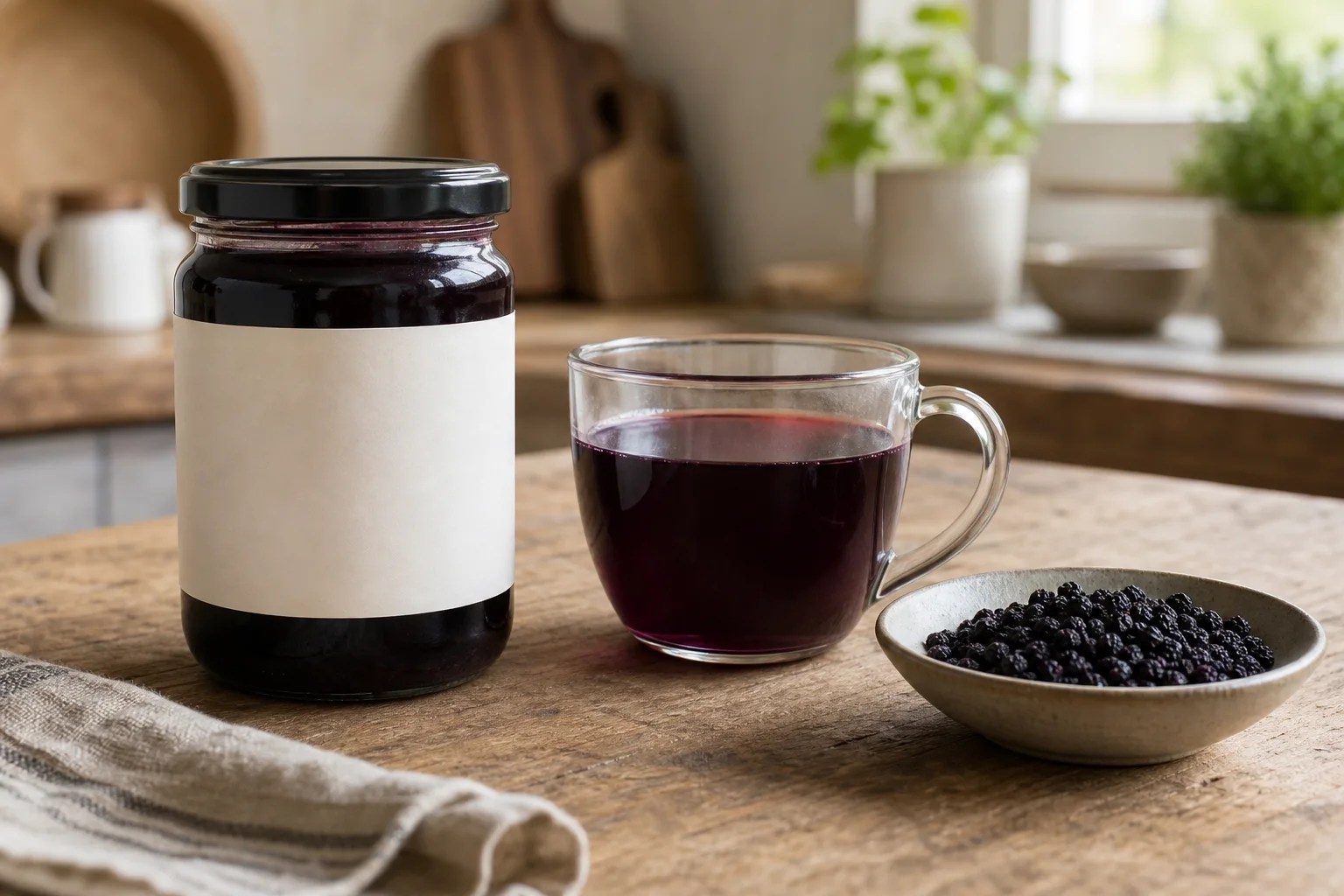
Black elderberry · Purchased only
Sambucus nigra. Commercially sourced, fully ripe, fully cooked dark fruit only. A dark-fruited elder with conflicting cold-and-flu research, toxic raw-part concerns, and a species mismatch that makes commercial cooked food the responsible beginner route.

Fireweed · Guided food use
Chamerion angustifolium. Tender young shoot tips, leaves, or flowers as food. A northern food plant with a poisonous young-shoot lookalike and traditional urinary-use claims that are not supported by clinical efficacy studies.
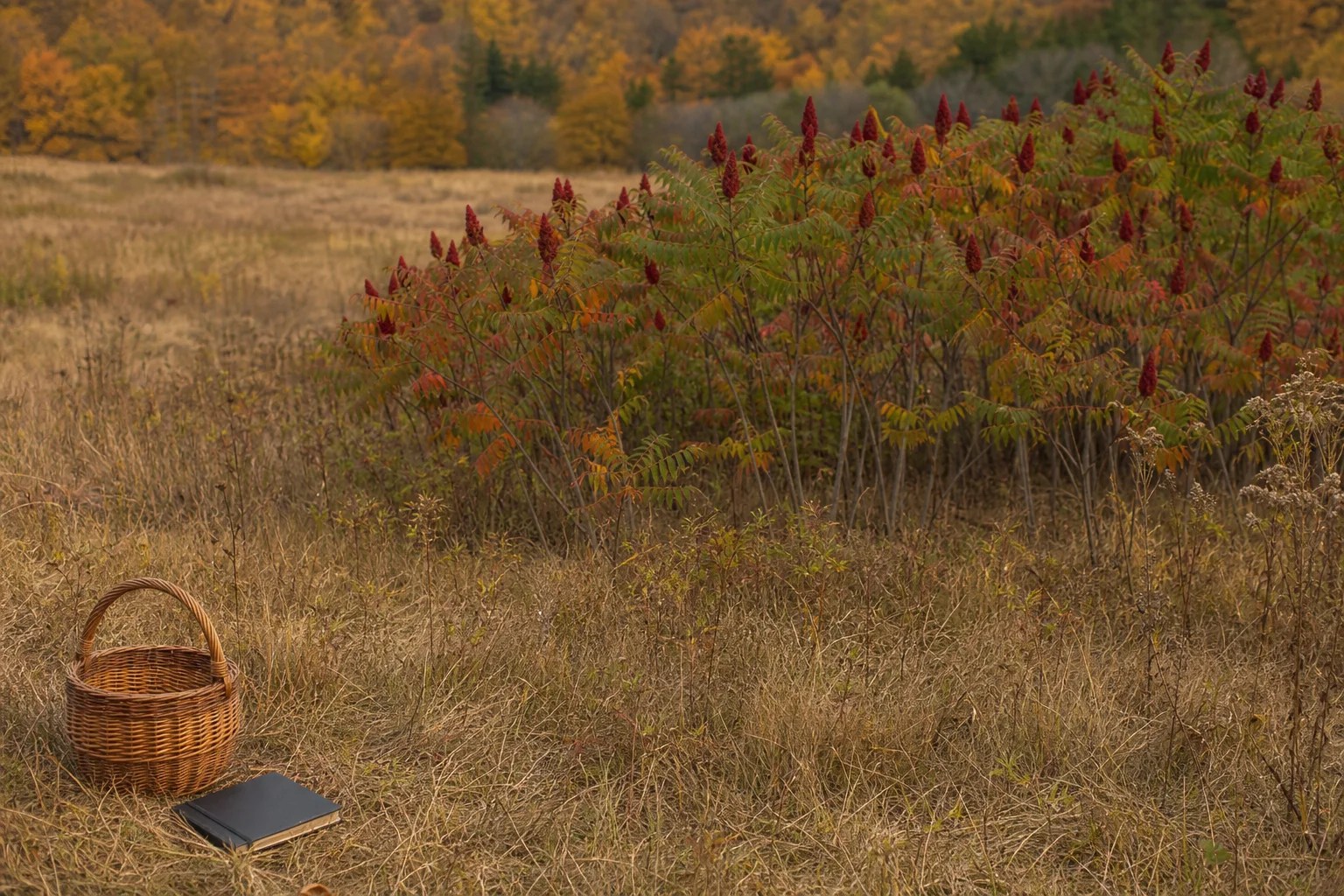
Smooth sumac · Guided food use
Rhus glabra. Mature red hairy drupes from an upright fruit cluster. A tart cold-infusion fruit whose red upright cluster must be distinguished from white-fruited poison sumac and from other sumac species.
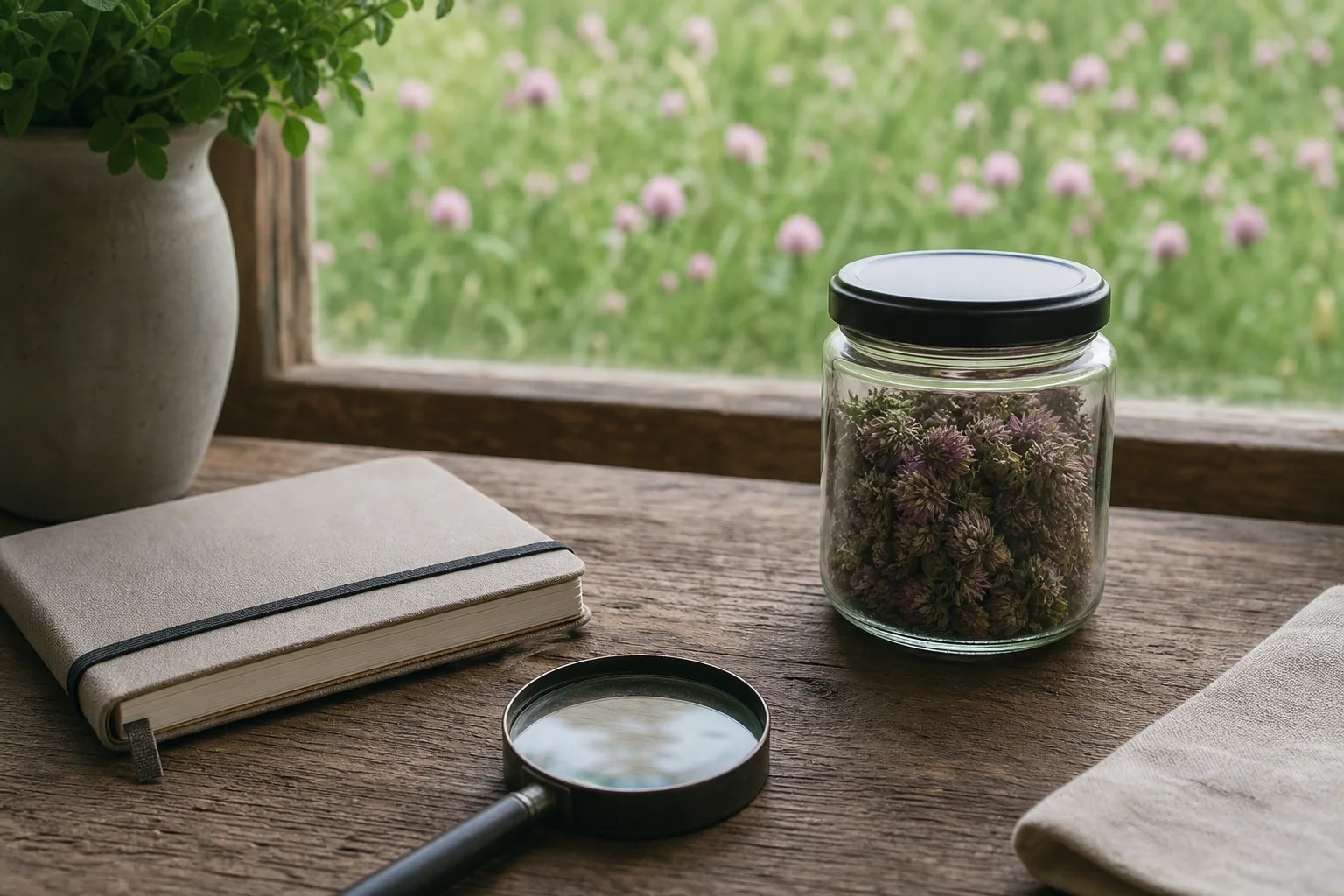
Red clover · Learn only
Trifolium pratense. Flower heads or flowering tops—education only. A familiar forage plant whose inconsistent menopause research uses standardized products that cannot be translated into an unmeasured wild infusion.
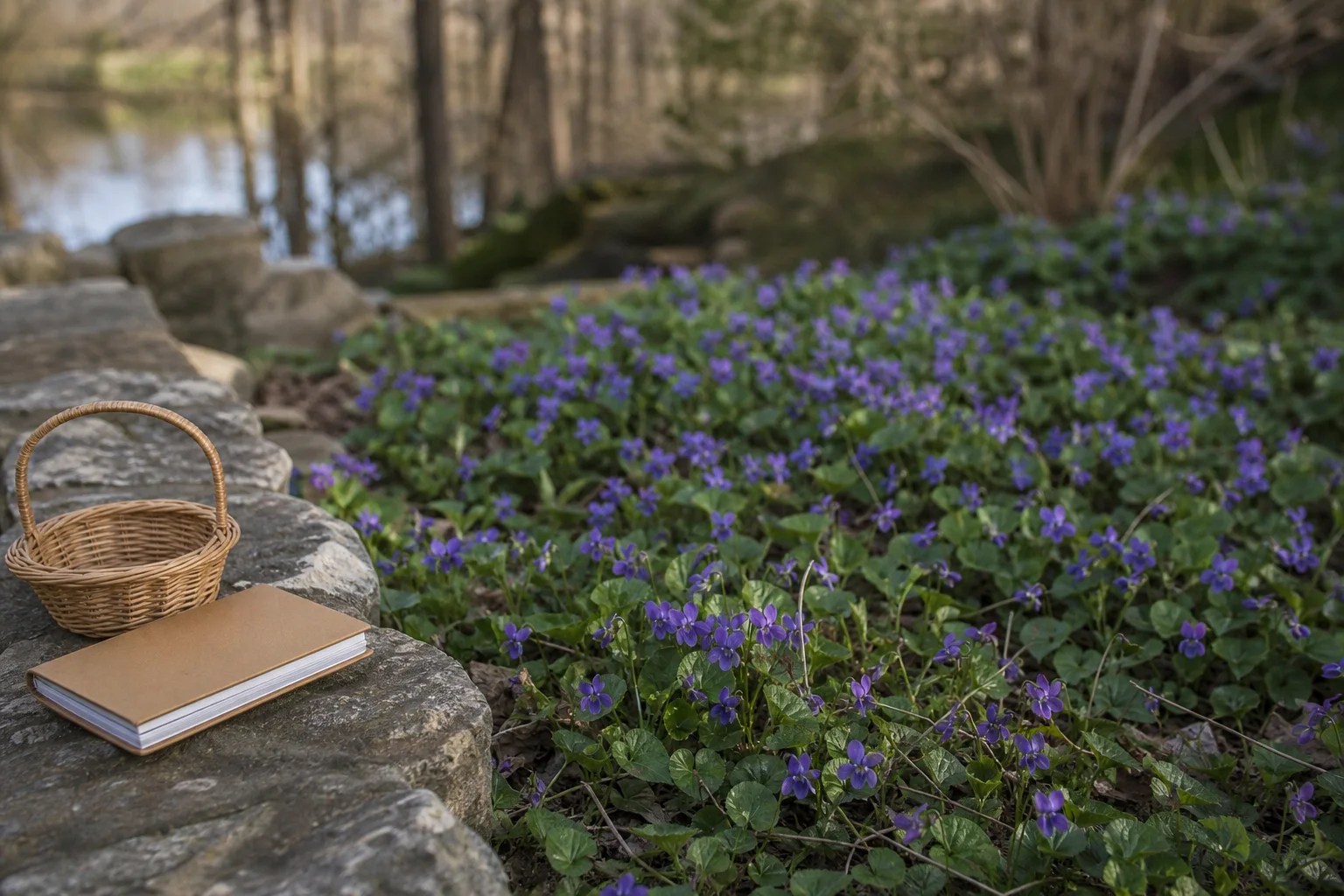
Common blue violet · Guided food use
Viola sororia. Positively identified leaves and flowers only. An edible eastern violet in ordinary food amounts, with a toxic leaf-stage confuser and no species-specific human treatment evidence.
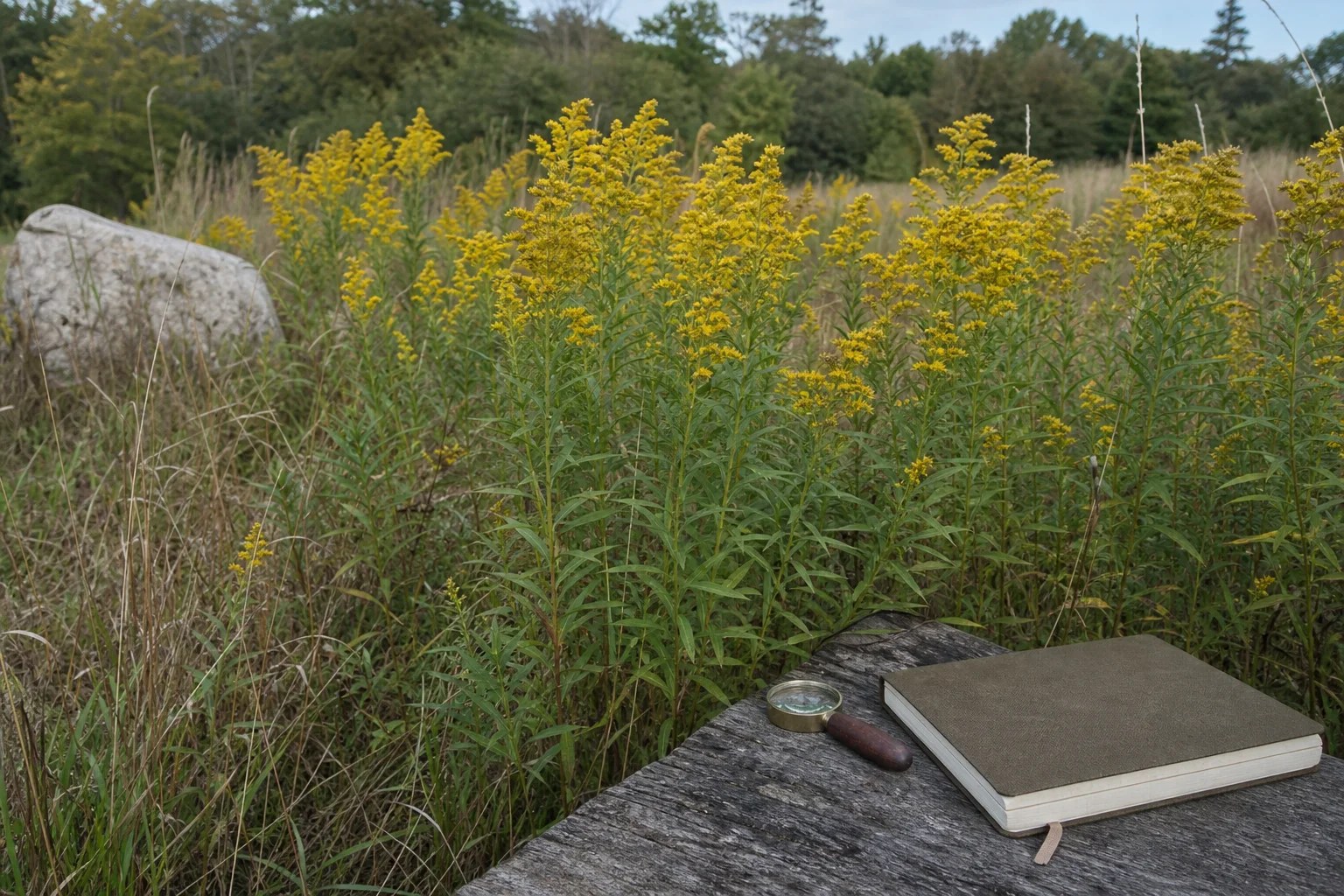
Canada goldenrod · Learn only
Solidago canadensis. Flowering top—education only. An important late-season pollinator plant whose species-specific human evidence is insufficient for a home medicinal infusion.
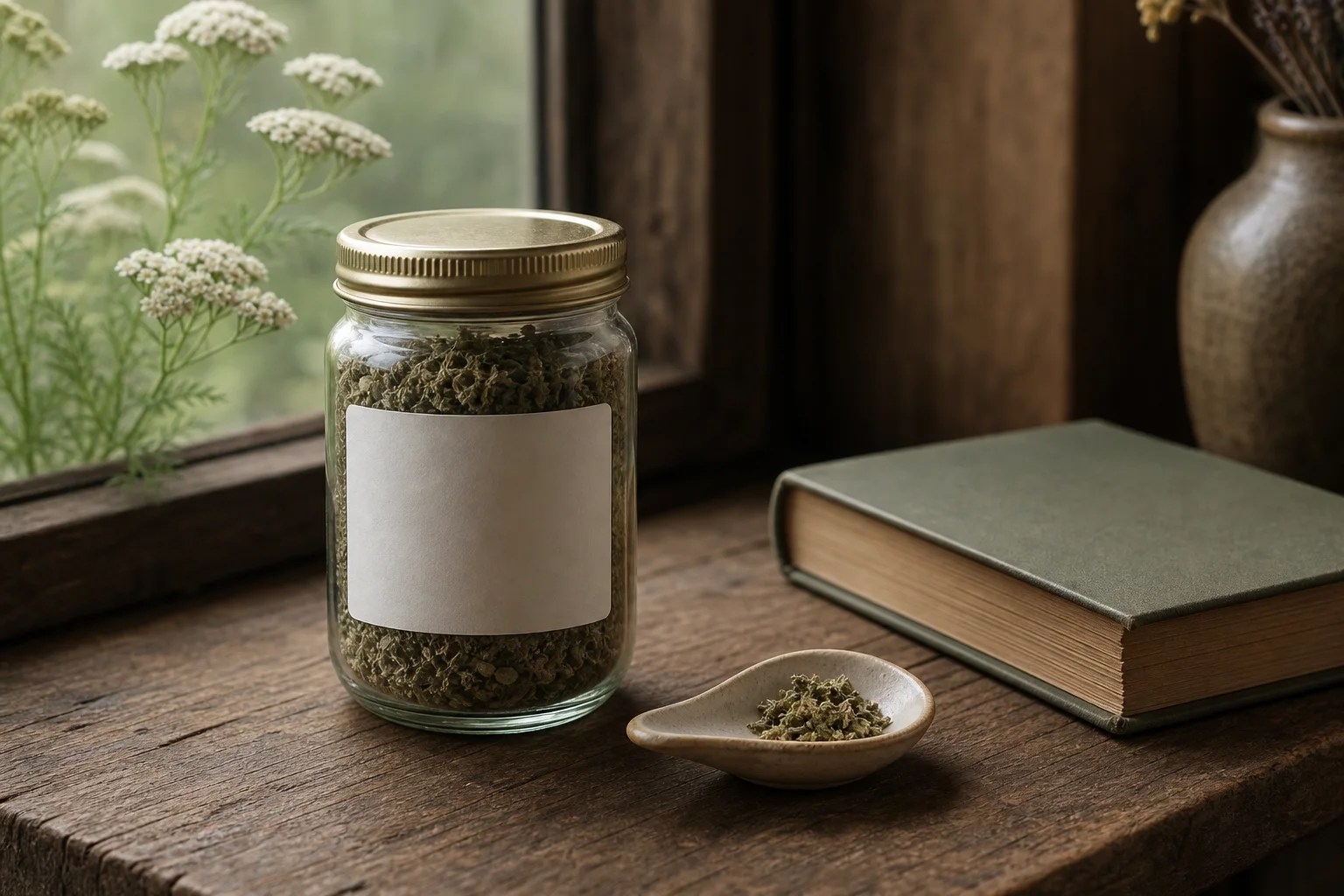
Common yarrow · Purchased only
Achillea millefolium. Purchased dried flowering aerial parts. A traditional herb kept purchased-only because fatal white-flowered lookalikes make beginner wild collection an unreasonable risk.
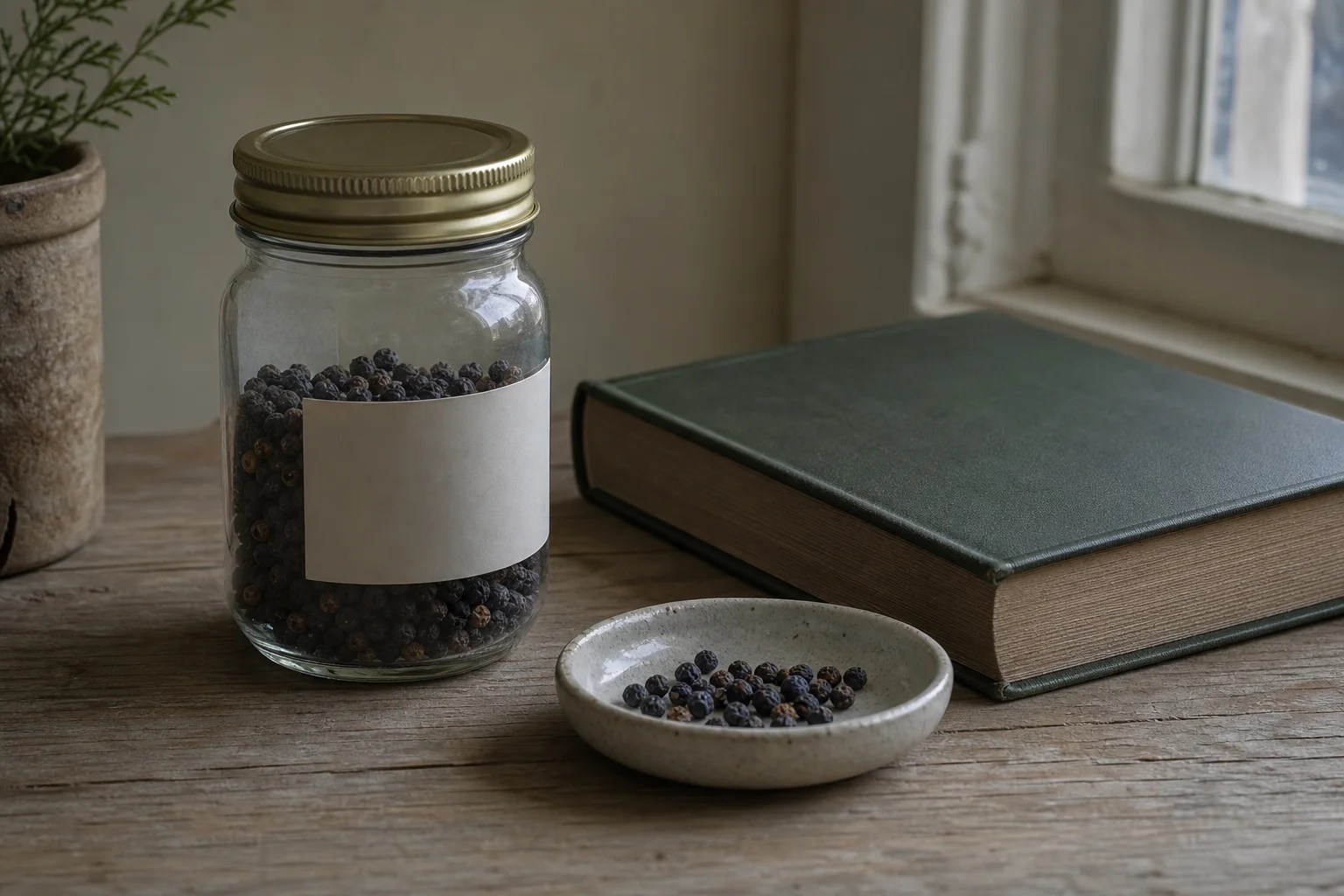
Common juniper · Purchased only
Juniperus communis. Purchased mature dried berry-like female cones. A culinary spice whose different juniper species, deadly yew confusion, kidney cautions, and concentrated-oil risks rule out a beginner wild tea.
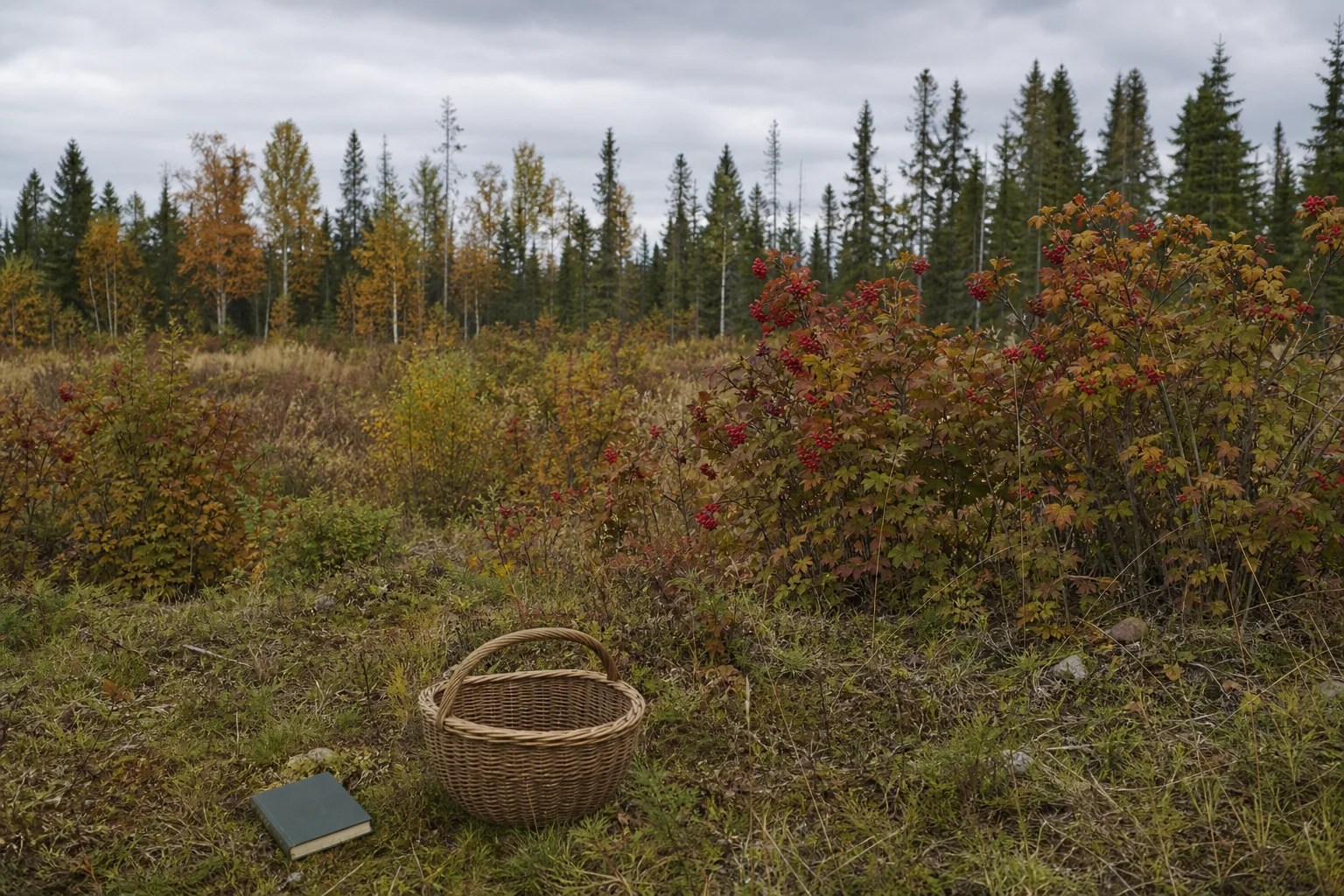
Squashberry / highbush cranberry · Guided food use
Viburnum edule. Fully ripe orange-red to red fruit. A tart northern fruit that is not a true cranberry and must be separated from other viburnums, red elderberry, and poisonous red baneberry.

Lingonberry / lowbush cranberry · Guided food use
Vaccinium vitis-idaea. Fully ripe red fruit only; leaves excluded. A tart boreal fruit suitable as food after positive identification, while historical leaf use and small mixed-food studies do not justify a medicinal leaf tea.
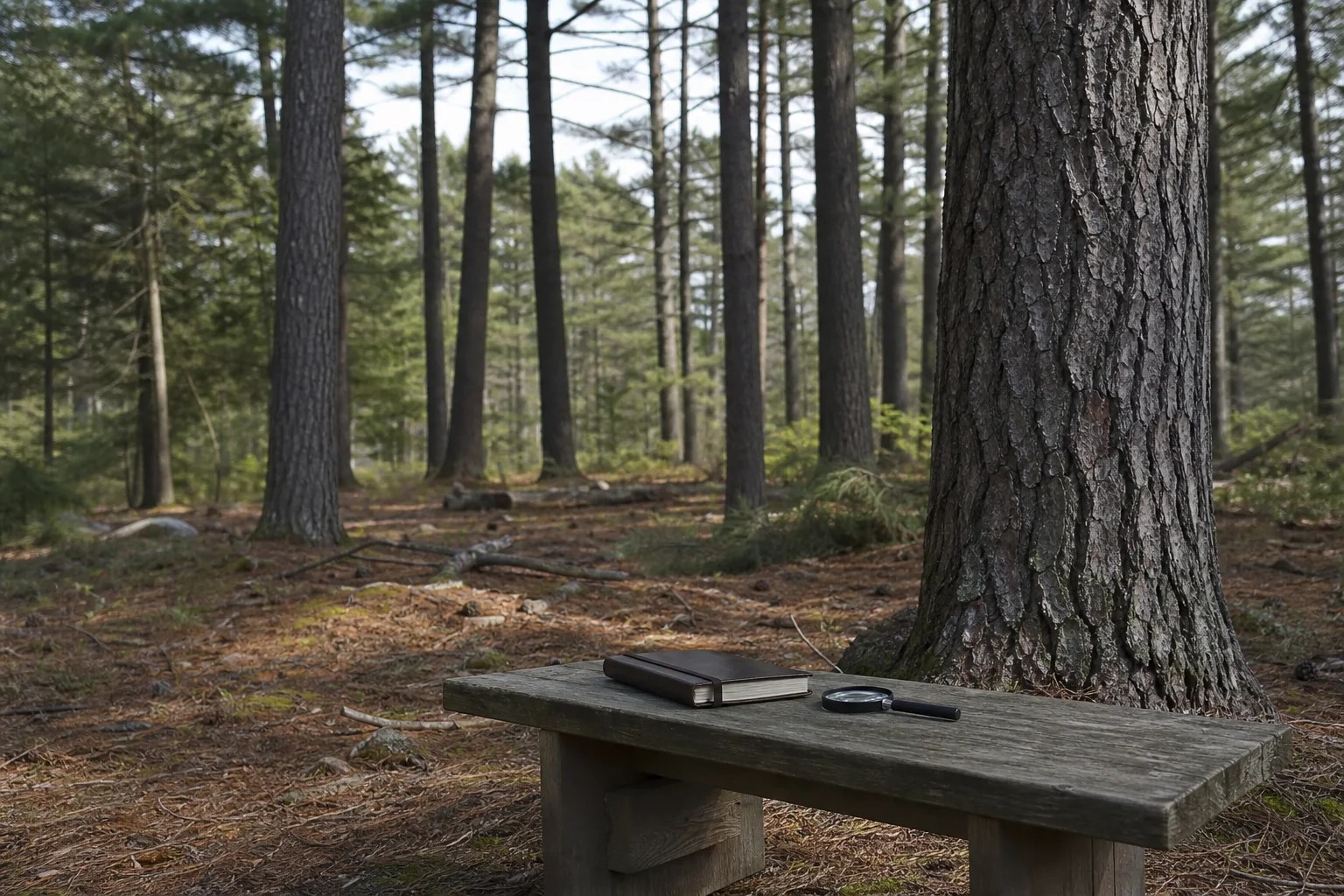
Eastern white pine · Learn only
Pinus strobus. Needles in historical context—education only. A culturally important eastern tree kept learn-only because deadly yew substitution, geographic mismatch, and unstandardized chemistry outweigh a beginner infusion recipe.
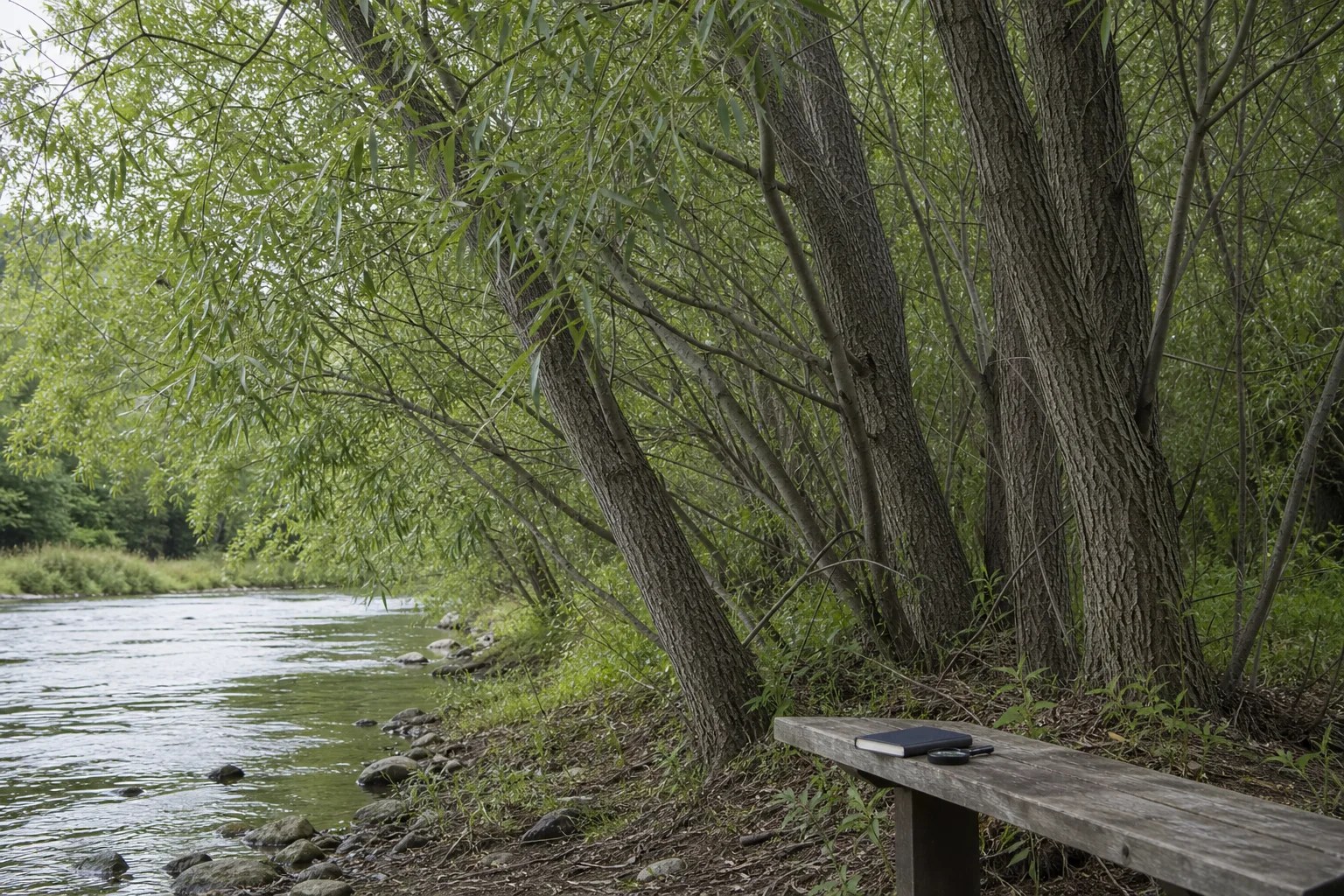
White willow bark · Learn only
Salix alba. Dried bark in standardized-product research—education only. A historically important salicylate source kept learn-only because willow identification, tree injury, dose variation, bleeding risk, and child or pregnancy cautions require medical-product discipline.

Bog Labrador tea · Learn only
Rhododendron groenlandicum. Evergreen leaves in historical context—education only. A culturally significant northern shrub kept learn-only because blurred species boundaries, variable ledol or grayanotoxin exposure, and lack of adequate human efficacy evidence make a consumer recipe inappropriate.
Join the tea table
Receive new brewing guides, cited botanical field notes, and Between Steeps development updates. The newsletter is free and supports a direct relationship between Being Tea Co and its readers.
Unsubscribe at any time. Being Tea Co does not sell contact lists. See the Privacy Policy.
 Being Tea Co