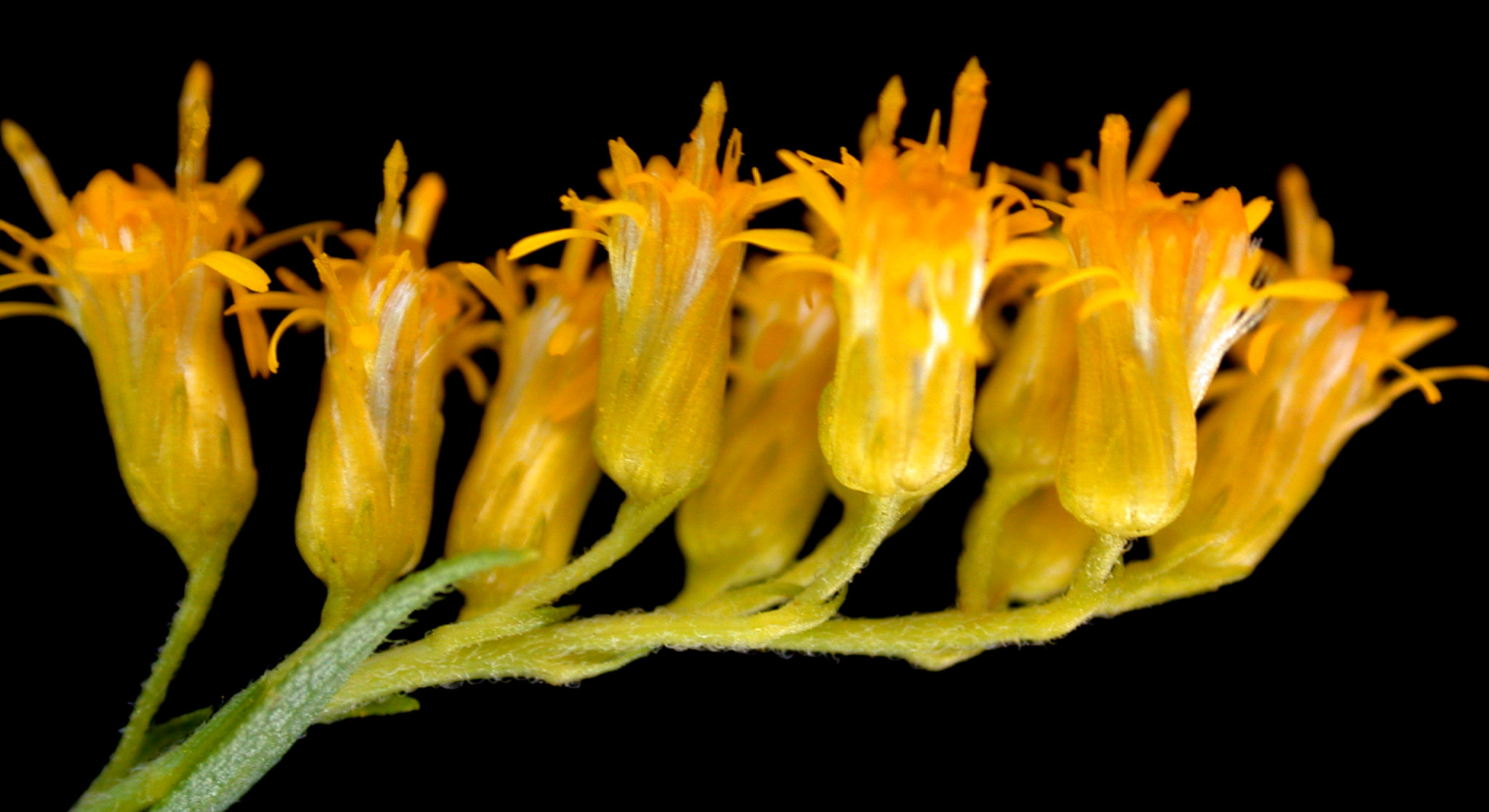
An important late-season pollinator plant whose species-specific human evidence is insufficient for a home medicinal infusion.
Being Tea Co provides education, not medical advice, treatment, or positive plant identification. Natural does not mean risk-free. Never ingest a wild plant or fungus from a photograph, app result, common name, or this website alone.
Herbs can cause allergic reactions and interact with medicines. Pregnancy, breastfeeding, childhood, surgery, seizure history, kidney or liver conditions, and other health factors can change what is appropriate. Ask a qualified clinician or pharmacist about your own situation.
At a glance
| Scientific name | Solidago canadensis |
|---|---|
| Exact part | Flowering top—education only |
| Safety class | Learn only · no internal preparation |
| Source | Observe in place; do not prepare a home medicinal product |
| Season | Blooms generally July through October |
| Broad region | Native and widespread across most of the United States and Canada |
Research lead—not positive identification or permission to harvest.
Identity
- A rhizomatous perennial that commonly forms dense colonies.
- Erect stems are mostly smooth below and finely hairy toward the top.
- Alternate narrow lance-shaped toothed leaves show three prominent longitudinal veins.
- Many tiny yellow flower heads sit mostly along one side of arching branches in a large terminal plume.
Lookalikes and exclusions
Toxic tansy ragwort has deeply dissected leaves and conspicuous daisy-like heads in flatter clusters. Tall and giant goldenrods are also difficult to separate. Species-level identity cannot rest on a distant yellow plume.
Do not proceed if
- The scientific name, exact plant part, or maturity stage is uncertain.
- A dangerous or confusing lookalike has not been ruled out with current regional sources.
- The landowner or land manager has not expressly allowed collection.
- The population is sparse, protected, stressed, culturally sensitive, or needed by wildlife.
- Road runoff, spraying, industrial history, pet waste, polluted water, mold, or other contamination is possible.
- Your allergy, pregnancy, breastfeeding, childhood, surgery, health-condition, or medication questions have not been resolved.
Where and when
Canada goldenrod grows in fields, open woods, roadsides, moist meadows, and disturbed ground. A roadside population is an observation site, not a food source.
Harvest ethics
Leave flowering tops for late-season pollinators and take no roots or rhizomes. The plant is invasive in parts of Europe and Asia, so never move seeds or rhizomes across sites.
Culinary and traditional context
Traditional internal and topical uses are documented, but a history of use is not equivalent to clinical efficacy or a safe modern dose.
What the research can—and cannot—say
Modern S. canadensis studies are mainly chemical, cell, or animal work; human clinical efficacy has not been established. The European Medicines Agency monograph often cited for goldenrod concerns Solidago virgaurea, a different species.
Side effects and interactions
- Avoid internal use with an Asteraceae allergy.
- Pregnancy, breastfeeding, pediatric use, and species-specific interaction safety are not established.
- Urinary-use claims imply diuresis; kidney or heart disease, unexplained edema, lithium, diuretics, or blood-pressure medicines make self-use inappropriate.
- Those interaction concerns are precautionary inferences, not demonstrated clinical effects of S. canadensis tea.
Preparation
No home tea, tincture, extract, or dose is published. The page documents identification, ecology, traditional context, and evidence limits only.
Kitchen ritual & folklore
Goldenrod can mark the late-summer threshold. Watching pollinators visit the plume is the preparation; nothing needs to be harvested.
Folklore and personal ritual are presented as cultural or reflective practices. They are not evidence that an ingredient changes physiology, treats illness, predicts events, or is safe for a particular person.
Sources and review
- USDA NRCS: Canada Goldenrod Fact Sheet
- US Forest Service: Solidago canadensis Species Review
- FDA: Canada Goldenrod Flowering-Top Identity Record
- Primary Preclinical Solidago canadensis Study
- National Park Service: Tansy Ragwort Warning
- European Medicines Agency: Solidago virgaurea—Different Species
Editorial safety review: July 29, 2026. Re-check linked sources, local rules, and product labels before use; evidence and regulations change.
 Being Tea Co
