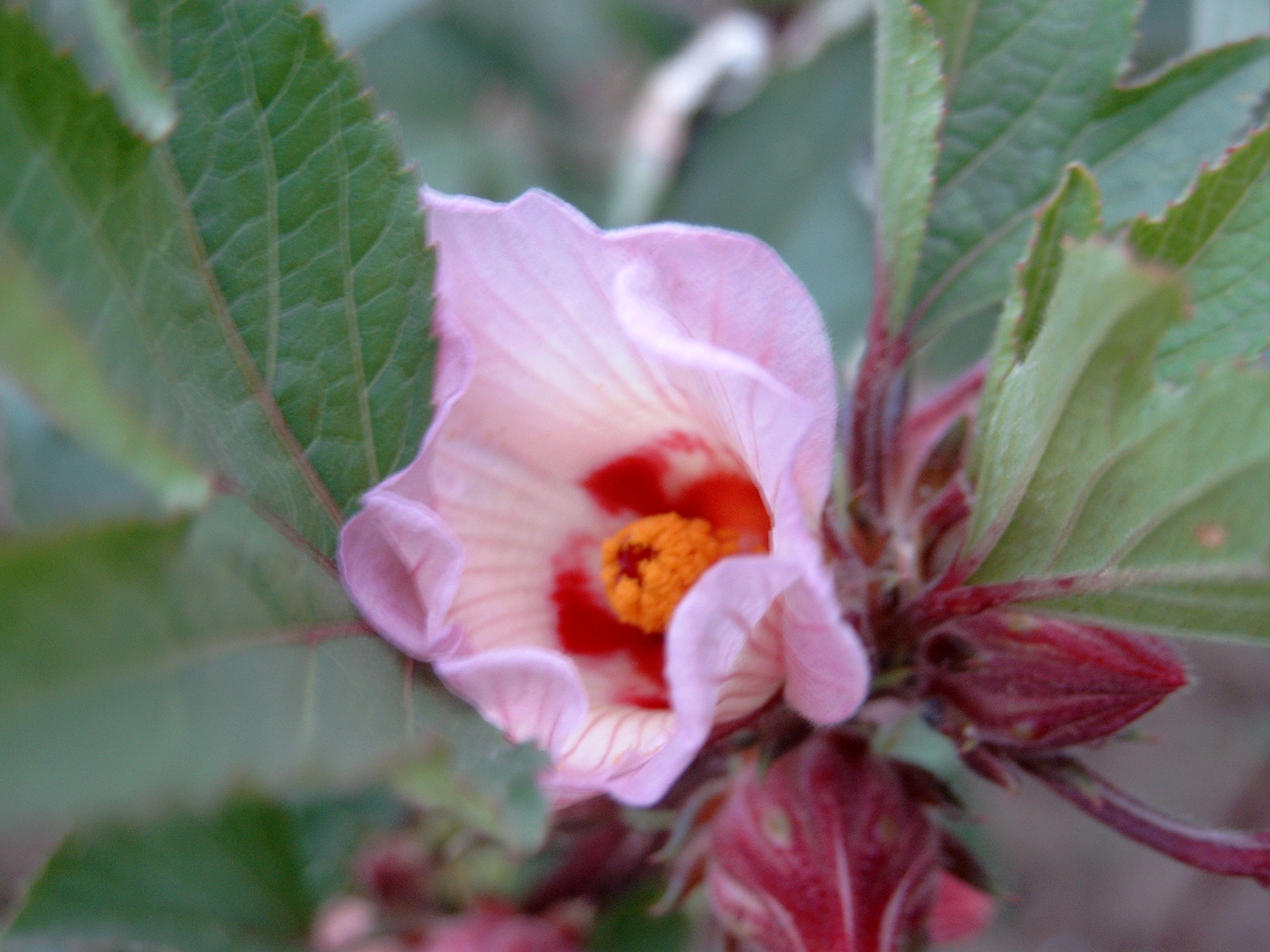
A ruby-red tart infusion made from roselle calyces—not generic ornamental hibiscus—with human blood-pressure findings that call for restraint around medicines and low blood pressure.
Being Tea Co provides education, not medical advice, treatment, or positive plant identification. Natural does not mean risk-free. Never ingest a wild plant or fungus from a photograph, app result, common name, or this website alone.
Herbs can cause allergic reactions and interact with medicines. Pregnancy, breastfeeding, childhood, surgery, seizure history, kidney or liver conditions, and other health factors can change what is appropriate. Ask a qualified clinician or pharmacist about your own situation.
At a glance
| Scientific name | Hibiscus sabdariffa L. |
|---|---|
| Exact part | Food-grade dried fleshy calyx surrounding the fruit |
| Safety class | Kitchen infusion · medication review for regular use |
| Source | Single-ingredient packaged calyces labeled with the botanical name |
| Season | Purchased year-round; garden calyces mature after flowering in warm climates |
| Broad region | A tropical and subtropical crop; frost-sensitive and not a responsible casual wild-forage target in most of North America |
Research lead—not positive identification or permission to harvest.
Identity
- The ingredient must be labeled Hibiscus sabdariffa (roselle); a bag that says only “hibiscus” does not establish the species.
- The familiar drink is made from the enlarged fleshy calyx that remains around the fruit after the petals fall, not from random ornamental hibiscus petals.
- Use clean, dry red-to-burgundy calyces with no musty odor, visible mold, insects, or unexplained additives.
- Current botanical databases do not all use the same taxonomic treatment; the established food and clinical literature cited here uses the name Hibiscus sabdariffa.
Lookalikes and exclusions
Kenaf (Hibiscus cannabinus), ornamental hibiscus species, and products made from unspecified “hibiscus flowers” are not interchangeable. This profile is a purchased-ingredient guide, not a field-identification guide.
Do not proceed if
- The scientific name, exact plant part, or maturity stage is uncertain.
- A dangerous or confusing lookalike has not been ruled out with current regional sources.
- The landowner or land manager has not expressly allowed collection.
- The population is sparse, protected, stressed, culturally sensitive, or needed by wildlife.
- Road runoff, spraying, industrial history, pet waste, polluted water, mold, or other contamination is possible.
- Your allergy, pregnancy, breastfeeding, childhood, surgery, health-condition, or medication questions have not been resolved.
Where and when
Buy a traceable food-grade ingredient. Roselle can be grown as a warm-season annual where the season is long enough, but the exact cultivar, land history, and absence of pesticides must be known before home-grown calyces enter a cup.
Harvest ethics
Choose a supplier that names the species, plant part, origin, and ingredients. Cultural names such as bissap, karkadé, sorrel, and agua de Jamaica belong to particular regional food histories; credit the named tradition rather than presenting one generic “ancient detox tea.”
Culinary and traditional context
Roselle calyx drinks have broad African, Caribbean, Middle Eastern, Latin American, and Asian food traditions, often with distinct spices, sweetness, and ceremonial contexts. Those living traditions are cultural evidence, not proof that the drink treats hypertension or another disease.
What the research can—and cannot—say
Several human trials and a meta-analysis report lower blood pressure with defined roselle regimens, but preparations, doses, participants, and study quality vary. One trial used three 240 mL servings daily for six weeks; another used a standardized extract. Those protocols do not make one household cup a hypertension treatment, and the drink must not replace prescribed care.
Side effects and interactions
- Because human trials found blood-pressure changes, people with low blood pressure or blood-pressure medicine should ask a clinician or pharmacist before frequent or medicinal-strength use.
- A six-person pharmacokinetic study found changes in acetaminophen elimination after a roselle drink. The clinical importance is uncertain, but it is a reason not to use concentrated roselle as a medication “chaser” without pharmacist advice.
- Human pregnancy safety is not established. LactMed reports no data on transfer into milk or safety for nursing parents or infants; avoid medicinal or sustained use during pregnancy or breastfeeding unless the prenatal or pediatric clinician approves it.
- The acidic drink can aggravate reflux, irritate a sensitive stomach, or affect dental enamel. Allergy is possible.
- Extracts, capsules, syrups, and sweetened blends may deliver very different exposures and added sugar; they are not interchangeable with a lightly brewed single-ingredient cup.
Preparation
House cup: follow the package first. Otherwise start with about 1 teaspoon loosely filled dried H. sabdariffa calyx in 300 mL just-boiled water, cover for 5–7 minutes, and strain. Dilute further if very tart. This is an occasional culinary serving, not the repeated high-intake regimen used in blood-pressure trials.
Kitchen ritual & folklore
The vivid shift from dry burgundy calyx to ruby water can mark hospitality, celebration, or a change of season. Name the cultural source of a recipe; keep any symbolism of vitality or protection separate from cardiovascular claims.
Folklore and personal ritual are presented as cultural or reflective practices. They are not evidence that an ingredient changes physiology, treats illness, predicts events, or is safe for a particular person.
Sources and review
- USDA ARS: Roselle Calyx and Food-Tea Crop Project
- Kew Plants of the World Online: Hibiscus sabdariffa Taxonomic Record
- PubMed: Randomized Placebo-Controlled Hibiscus Tea Blood-Pressure Trial
- PubMed: 2022 Meta-Analysis of Randomized Blood-Pressure Trials
- PubMed: Roselle Drink and Acetaminophen Pharmacokinetics
- NIH LactMed: Hibiscus During Breastfeeding
Editorial safety review: July 29, 2026. Re-check linked sources, local rules, and product labels before use; evidence and regulations change.
 Being Tea Co
