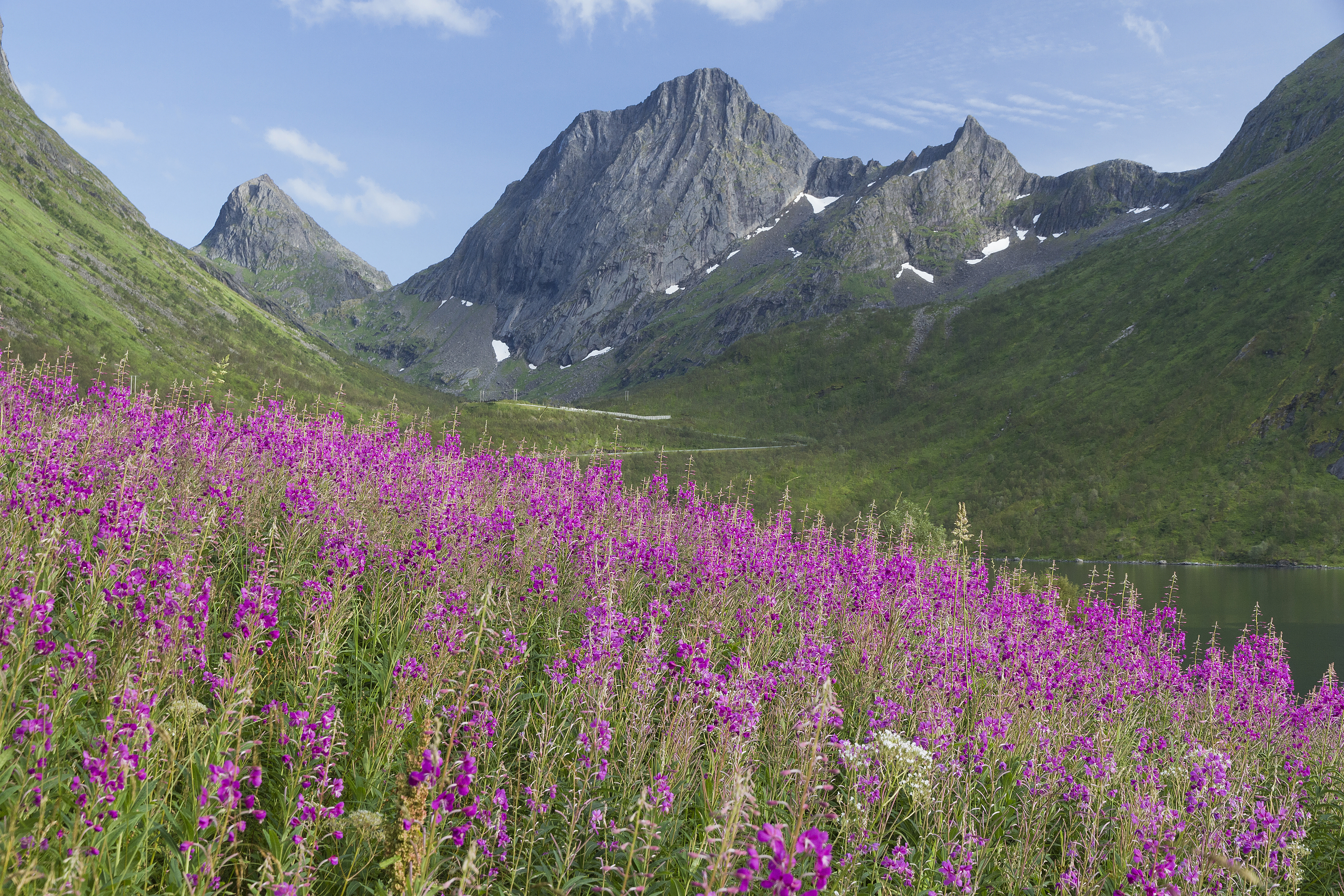
A northern food plant with a poisonous young-shoot lookalike and traditional urinary-use claims that are not supported by clinical efficacy studies.
Being Tea Co provides education, not medical advice, treatment, or positive plant identification. Natural does not mean risk-free. Never ingest a wild plant or fungus from a photograph, app result, common name, or this website alone.
Herbs can cause allergic reactions and interact with medicines. Pregnancy, breastfeeding, childhood, surgery, seizure history, kidney or liver conditions, and other health factors can change what is appropriate. Ask a qualified clinician or pharmacist about your own situation.
At a glance
| Scientific name | Chamerion angustifolium |
|---|---|
| Exact part | Tender young shoot tips, leaves, or flowers as food |
| Safety class | Guided food use · medicinal use learn only |
| Source | Positively identified, permitted clean site with local guidance |
| Season | Young growth in spring; flowers generally June through September |
| Broad region | Circumboreal; widespread in northern North America, including Alaska |
Research lead—not positive identification or permission to harvest.
Identity
- Tall, usually unbranched erect stems carry alternate narrow lance-shaped leaves.
- Side veins loop together near the leaf margin, a useful supporting trait.
- The terminal raceme has pink-to-magenta flowers with exactly four petals.
- Long narrow capsules split to release many silky-haired seeds.
Lookalikes and exclusions
Poisonous hemp dogbane can resemble young fireweed; it typically branches, has opposite leaves, milky sap, and smaller bell-shaped flowers. Purple loosestrife usually has square stems, opposite or whorled leaves, and five to seven petals. Never gather young shoots unless the colony was independently confirmed in flower in a prior season.
Do not proceed if
- The scientific name, exact plant part, or maturity stage is uncertain.
- A dangerous or confusing lookalike has not been ruled out with current regional sources.
- The landowner or land manager has not expressly allowed collection.
- The population is sparse, protected, stressed, culturally sensitive, or needed by wildlife.
- Road runoff, spraying, industrial history, pet waste, polluted water, mold, or other contamination is possible.
- Your allergy, pregnancy, breastfeeding, childhood, surgery, health-condition, or medication questions have not been resolved.
Where and when
Fireweed often colonizes burns, clearings, meadows, shorelines, and disturbed ground. Disturbance also raises contamination questions, so habitat presence does not make the site clean or legal.
Harvest ethics
Take only a small minority of aboveground growth, never dig rhizomes, and leave flowering plants for pollinators and seed. Avoid recently burned industrial land, roadsides, mine sites, and any parcel without current permission.
Culinary and traditional context
Fireweed has documented northern food and beverage traditions. Attribute Indigenous or regional practices to the named community and source rather than presenting one universal northern custom.
What the research can—and cannot—say
The European Medicines Agency recognizes fireweed only as a traditional-use herbal medicine for lower urinary tract symptoms after serious disease is excluded. Its assessment reports insufficient clinical evidence and no clinical efficacy studies, so a home cup should not be marketed for urinary symptoms.
Side effects and interactions
- Avoid with a known allergy; food and concentrated medicinal exposures are not equivalent.
- Medicinal safety in children, pregnancy, and breastfeeding is not adequately established.
- Fever, blood in urine, painful urination, spasms, or retention require medical assessment rather than a plant drink.
- “No known interactions” in a monograph means none were reported, not that absence has been proven.
Preparation
Clean, positively identified tender growth or petals may be treated as ordinary food in a culinary portion. This page publishes no concentrated extract, root preparation, fermented medicinal product, or urinary-symptom recipe.
Kitchen ritual & folklore
Fireweed’s return after disturbance can support reflection on renewal. Observation, photography, and leaving a flowering stand intact are complete seasonal practices.
Folklore and personal ritual are presented as cultural or reflective practices. They are not evidence that an ingredient changes physiology, treats illness, predicts events, or is safe for a particular person.
Sources and review
- USDA NRCS: Fireweed Plant Guide
- US Forest Service: Chamerion angustifolium Species Review
- European Medicines Agency: Fireweed Herb Overview
- European Medicines Agency: Final Fireweed Monograph
- USDA ARS: Poisonous Hemp Dogbane Profile
Editorial safety review: July 29, 2026. Re-check linked sources, local rules, and product labels before use; evidence and regulations change.
 Being Tea Co
