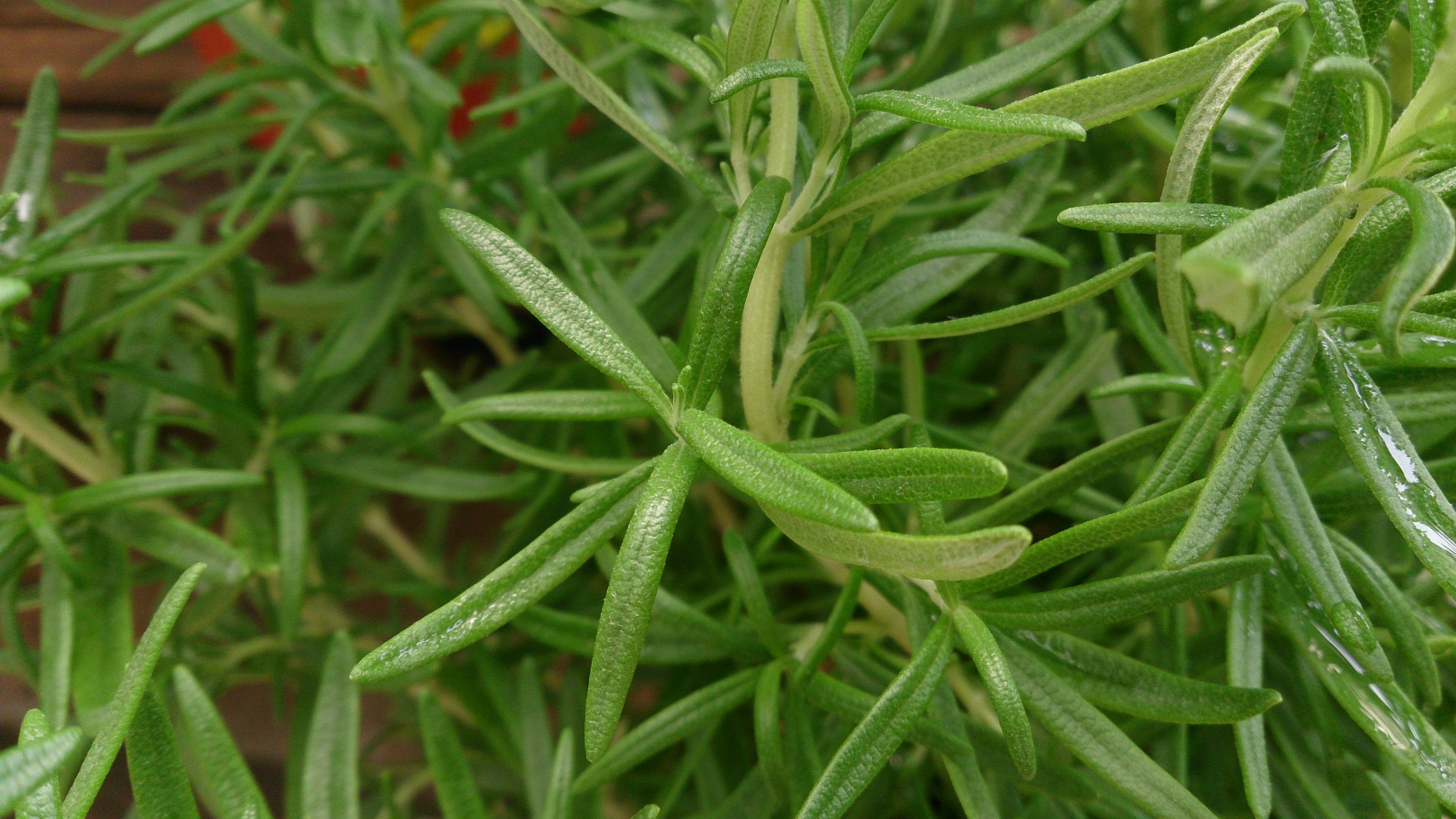
A resinous Mediterranean culinary leaf whose accepted botanical name has changed, with traditional digestive use but no basis for turning a modest kitchen cup into a memory or circulation treatment.
Being Tea Co provides education, not medical advice, treatment, or positive plant identification. Natural does not mean risk-free. Never ingest a wild plant or fungus from a photograph, app result, common name, or this website alone.
Herbs can cause allergic reactions and interact with medicines. Pregnancy, breastfeeding, childhood, surgery, seizure history, kidney or liver conditions, and other health factors can change what is appropriate. Ask a qualified clinician or pharmacist about your own situation.
At a glance
| Scientific name | Salvia rosmarinus Spenn. (syn. Rosmarinus officinalis L.) |
|---|---|
| Exact part | Labeled culinary leaf |
| Safety class | Kitchen accent · occasional modest cup |
| Source | Labeled rosemary plant or single-ingredient culinary leaf |
| Season | Fresh year-round where evergreen; dried leaf year-round |
| Broad region | Native to the Mediterranean and cultivated widely, usually protected indoors in very cold climates |
Research lead—not positive identification or permission to harvest.
Identity
- Current Kew taxonomy accepts Salvia rosmarinus; older food, medicine, and EMA sources use the synonym Rosmarinus officinalis. Both names should point to the same labeled culinary rosemary.
- The evergreen shrub has opposite narrow leathery leaves, dark green above and paler beneath, with rolled-under margins and a strong resinous aroma.
- Use only clean leaf from a labeled, unsprayed culinary plant or a packaged single-ingredient herb.
- Rosemary essential oil, hydrolat drinks, extracts, capsules, and culinary leaf infusions have different compositions and are not dose-equivalent.
Lookalikes and exclusions
Bog rosemary, coast rosemary, Russian rosemary, and many needle-leaved landscape shrubs are unrelated or chemically different. A “piney” scent and narrow leaf shape are not a safe identity test.
Do not proceed if
- The scientific name, exact plant part, or maturity stage is uncertain.
- A dangerous or confusing lookalike has not been ruled out with current regional sources.
- The landowner or land manager has not expressly allowed collection.
- The population is sparse, protected, stressed, culturally sensitive, or needed by wildlife.
- Road runoff, spraying, industrial history, pet waste, polluted water, mold, or other contamination is possible.
- Your allergy, pregnancy, breastfeeding, childhood, surgery, health-condition, or medication questions have not been resolved.
Where and when
Buy culinary rosemary or grow a labeled nursery plant in a pot or well-drained sunny bed. Public landscaping may be treated with chemicals; an ornamental planting is not a pantry.
Harvest ethics
Clip a small soft tip rather than stripping a branch, avoid repeated heavy harvest from a young plant, and use the strong herb sparingly. Credit Mediterranean food traditions rather than reducing rosemary to a generic cognitive “biohack.”
Culinary and traditional context
Rosemary has Mediterranean culinary, household, remembrance, and traditional digestive histories. EMA classifies oral rosemary-leaf use for dyspepsia and mild gastrointestinal spasm as traditional use based on longevity, not on clinical trial proof.
What the research can—and cannot—say
Human studies are small and preparation-specific. One randomized study used a commercial water containing rosemary extract and hydrolat; a 22-person uncontrolled pilot used a strong 5 g tea; another trial used leaf powder capsules. These do not establish that a light home infusion improves memory, anxiety, circulation, or digestion.
Side effects and interactions
- EMA advises against medicinal rosemary leaf during pregnancy or breastfeeding and in children under 12.
- Do not use medicinal rosemary with bile-duct obstruction, gallbladder inflammation, gallstones, or liver disease without clinical guidance.
- No medicine interactions had been described in the EMA literature assessment, but clinical interaction evidence remains sparse. People using anticoagulant or antiplatelet medicines should ask a pharmacist before repeated medicinal-strength use because experimental platelet findings are not a safety clearance.
- Stop for allergy, significant stomach irritation, or worsening symptoms. Mint-family allergy is possible.
- Do not swallow rosemary essential oil or add it to a beverage; a concentrated oil is not a stronger version of leaf tea.
Preparation
House cup: use package directions or start with 1/2 teaspoon loosely filled dried leaf—or one small fresh sprig—in 300 mL just-boiled water. Cover for 4–5 minutes and strain. Rosemary becomes camphoraceous and bitter quickly; dilute or discard an overly strong cup.
Kitchen ritual & folklore
Rosemary can support a remembrance practice: name a person, place, or lesson while the covered cup steeps. Present remembrance as culture or personal ritual, not as evidence that the drink prevents cognitive decline.
Folklore and personal ritual are presented as cultural or reflective practices. They are not evidence that an ingredient changes physiology, treats illness, predicts events, or is safe for a particular person.
Sources and review
- European Medicines Agency: Rosemary Leaf Overview and Monograph
- European Medicines Agency: Final Rosemary Leaf Monograph
- Kew Plants of the World Online: Salvia rosmarinus
- PubMed: Randomized Trial of a Commercial Rosemary Water
- PubMed: Rosemary-Tea Pilot Study in Healthy Volunteers
- PubMed: Experimental Platelet and Thrombosis Study of Thyme and Rosemary
Editorial safety review: July 29, 2026. Re-check linked sources, local rules, and product labels before use; evidence and regulations change.
 Being Tea Co
_3.jpg)