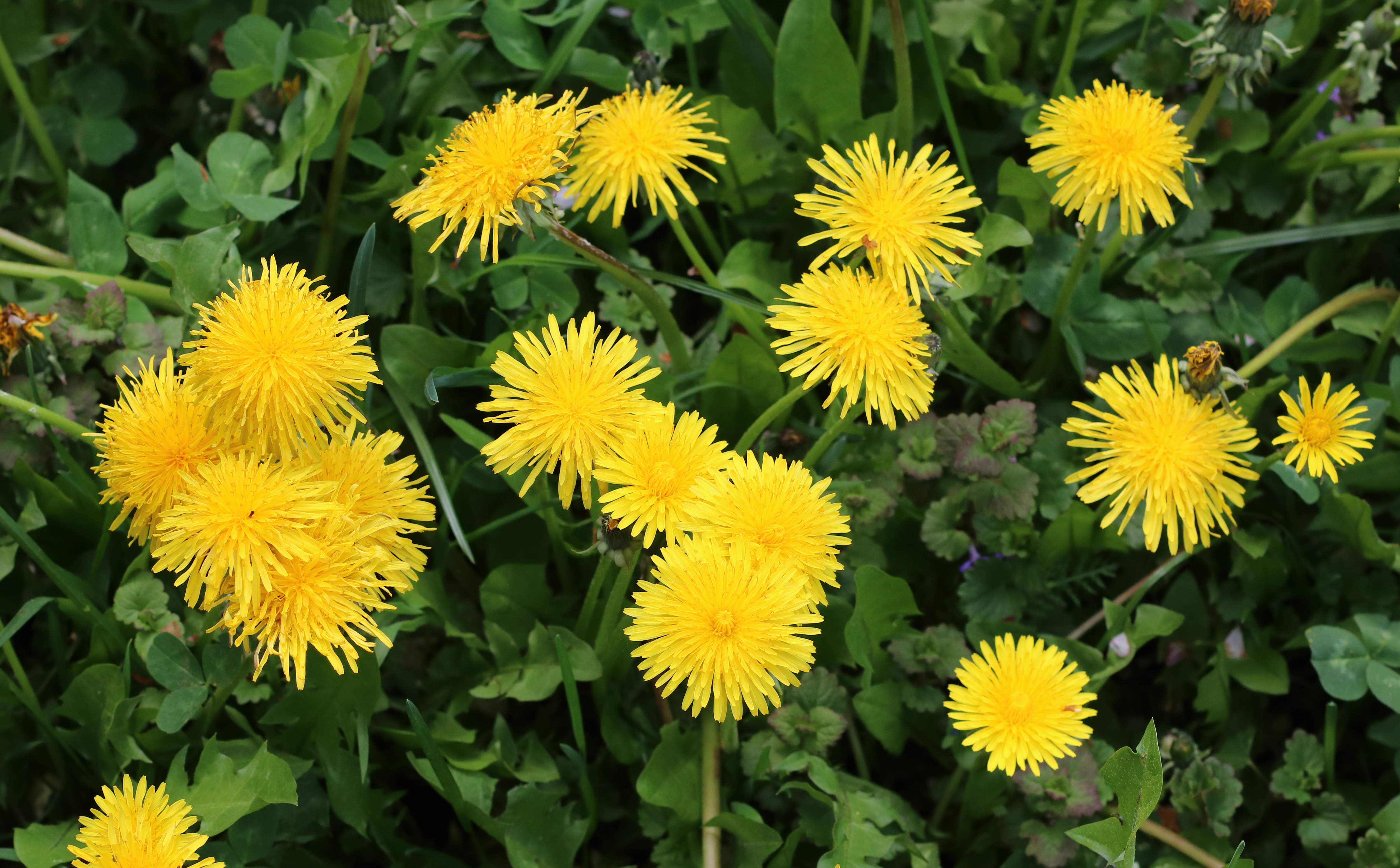
A bitter culinary plant—not a detox—with a simple-looking form that still requires a clean site and positive identification.
Being Tea Co provides education, not medical advice, treatment, or positive plant identification. Natural does not mean risk-free. Never ingest a wild plant or fungus from a photograph, app result, common name, or this website alone.
Herbs can cause allergic reactions and interact with medicines. Pregnancy, breastfeeding, childhood, surgery, seizure history, kidney or liver conditions, and other health factors can change what is appropriate. Ask a qualified clinician or pharmacist about your own situation.
At a glance
| Scientific name | Taraxacum officinale |
|---|---|
| Exact part | Young leaf or flower from a verified clean site |
| Safety class | Guided beginner · field identification required |
| Source | Known unsprayed garden patch preferred |
| Season | Leaves spring through fall; flowers mainly spring onward |
| Broad region | Widespread in disturbed ground across North America |
Research lead—not positive identification or permission to harvest.
Identity
- Leaves form a basal rosette and are typically hairless and deeply lobed.
- Each hollow, unbranched flower stalk carries one yellow flower head.
- Broken stems exude white latex.
Lookalikes and exclusions
Catsear and other yellow composites can confuse beginners; catsear commonly has solid, branching stalks with multiple flower heads. Do not rely on the flower color alone.
Do not proceed if
- The scientific name, exact plant part, or maturity stage is uncertain.
- A dangerous or confusing lookalike has not been ruled out with current regional sources.
- The landowner or land manager has not expressly allowed collection.
- The population is sparse, protected, stressed, culturally sensitive, or needed by wildlife.
- Road runoff, spraying, industrial history, pet waste, polluted water, mold, or other contamination is possible.
- Your allergy, pregnancy, breastfeeding, childhood, surgery, health-condition, or medication questions have not been resolved.
Where and when
Dandelion is widespread, but a plant’s presence says nothing about whether the site is clean. Avoid roadsides, railways, pet areas, sprayed lawns, old building lots, flood deposits, and contaminated soil.
Harvest ethics
Harvest only with permission. Clip a small amount rather than clearing a patch; flowers feed insects and seeds feed wildlife.
Culinary and traditional context
Dandelion appears in food and bitter-herb traditions. Folklore about wishes, resilience, or cleansing belongs in a cultural or personal section—not in the evidence section.
What the research can—and cannot—say
NCCIH says there is no compelling scientific evidence supporting dandelion for any health condition. Describe flavor, food use, and uncertainty plainly.
Side effects and interactions
- Possible allergy in people sensitive to ragweed-family plants.
- Theoretical interactions include diabetes medicines, anticoagulant or antiplatelet medicines, and diuretics.
- Avoid a wild cup if site contamination, identity, pregnancy, kidney or gallbladder concerns, or medicines have not been reviewed.
Preparation
The safer beginner path is a labeled food-grade dried dandelion leaf. Follow the package. For a positively identified, permitted, clean-site plant, wash under running water and use only a small food-style amount; 1 teaspoon dried leaf in 250 mL just-boiled water for 5–8 minutes is a modest tasting cup, not a detox dose.
Kitchen ritual & folklore
Dandelion’s persistence can symbolize resilience. Let that meaning stand on its own without claiming the drink removes toxins.
Folklore and personal ritual are presented as cultural or reflective practices. They are not evidence that an ingredient changes physiology, treats illness, predicts events, or is safe for a particular person.
Sources and review
- University of Minnesota Extension: Dandelion Identification
- Oregon State University Extension: Dandelion Food Safety
- NCCIH: Dandelion
Editorial safety review: July 29, 2026. Re-check linked sources, local rules, and product labels before use; evidence and regulations change.
 Being Tea Co
