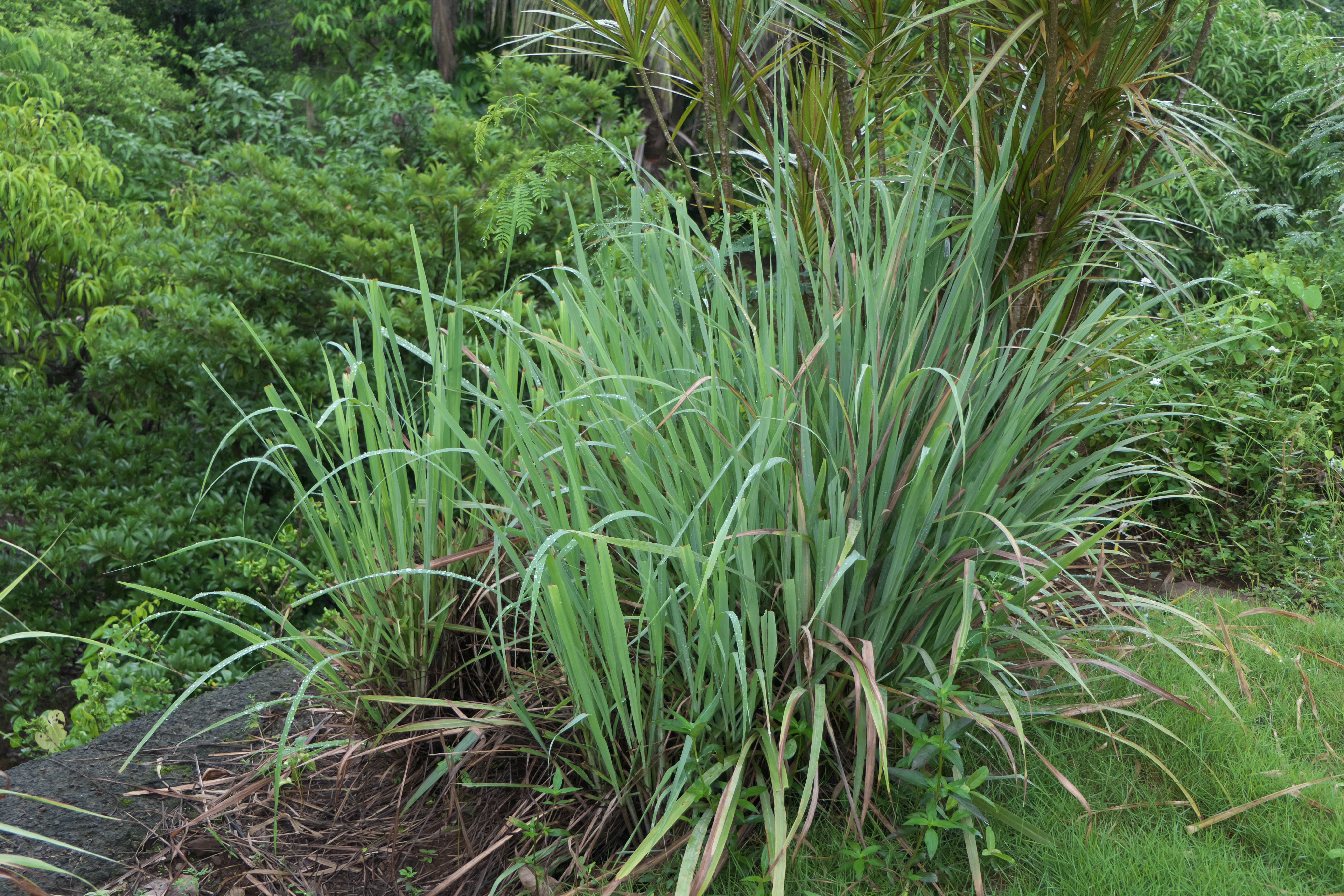
A bright citrus-scented culinary grass with a modest food-infusion route, sparse human evidence, and important distinctions from citronella grass and concentrated essential oil.
Being Tea Co provides education, not medical advice, treatment, or positive plant identification. Natural does not mean risk-free. Never ingest a wild plant or fungus from a photograph, app result, common name, or this website alone.
Herbs can cause allergic reactions and interact with medicines. Pregnancy, breastfeeding, childhood, surgery, seizure history, kidney or liver conditions, and other health factors can change what is appropriate. Ask a qualified clinician or pharmacist about your own situation.
At a glance
| Scientific name | Cymbopogon citratus (DC.) Stapf |
|---|---|
| Exact part | Food-grade leaf, including the tender basal leaf sheath sold as a culinary stalk |
| Safety class | Starter kitchen · purchased or labeled garden plant |
| Source | Fresh culinary stalk, packaged dried leaf, or labeled nursery plant |
| Season | Purchased year-round; fresh garden growth during warm weather |
| Broad region | A tropical South Asian grass now cultivated widely; usually container-grown or overwintered indoors in cold climates |
Research lead—not positive identification or permission to harvest.
Identity
- The label should state Cymbopogon citratus. “Lemon grass,” “citronella,” or a lemon scent alone does not establish the species.
- It forms a dense clump of long linear blades with overlapping basal leaf sheaths; the pale tender lower sheath is the “stalk” sold for cooking.
- Leaves have rough, potentially sharp margins and release a strong lemon aroma when crushed.
- Use clean food-grade leaf or stalk. Essential oil, fragrance oil, insect repellent, and ornamental citronella products are excluded.
Lookalikes and exclusions
Citronella grasses such as Cymbopogon nardus and C. winterianus, other aromatic grasses, and the unrelated “citronella plant” scented geranium are not substitutes. Cultivated lemongrass rarely flowers, so a supplier or nursery label matters.
Do not proceed if
- The scientific name, exact plant part, or maturity stage is uncertain.
- A dangerous or confusing lookalike has not been ruled out with current regional sources.
- The landowner or land manager has not expressly allowed collection.
- The population is sparse, protected, stressed, culturally sensitive, or needed by wildlife.
- Road runoff, spraying, industrial history, pet waste, polluted water, mold, or other contamination is possible.
- Your allergy, pregnancy, breastfeeding, childhood, surgery, health-condition, or medication questions have not been resolved.
Where and when
Buy culinary stalks or packaged leaf, or grow a labeled plant in a container. In a cold climate, treat it as a warm-season plant and bring it indoors before frost; do not seek a lemon-scented roadside grass.
Harvest ethics
Cut a few outer leaves or stalks without pulling apart the whole clump, wear gloves if the blade edges irritate, and compost only where the plant cannot escape cultivation. Favor food suppliers that disclose species and origin.
Culinary and traditional context
Lemongrass has long culinary and household-infusion traditions across South and Southeast Asia, Africa, the Caribbean, and Latin America. Those traditions differ by region; identify the cuisine or community instead of calling every use one universal folk remedy.
What the research can—and cannot—say
Human evidence is limited and does not support broad treatment claims. A 1986 trial found no hypnotic or anxiety benefit from the tested tea, while a later 30-day study reported changes in several blood-cell measures without establishing that lemongrass treats anemia. Food history and small trials do not make it a substitute for diagnosis or prescribed care.
Side effects and interactions
- Pregnancy and breastfeeding safety for repeated medicinal-strength use is not established in humans. Animal findings do not settle that question; use ordinary food amounts only unless the relevant clinician approves more.
- Because one daily-use study changed red- and white-cell measures, people with anemia, blood disorders, chemotherapy, or medicines affecting blood counts should not use a repeated medicinal regimen without clinical review.
- Grass-family allergy, mouth irritation, gastrointestinal upset, or skin irritation from the blade can occur.
- Essential oil is much more concentrated than an infusion and has demonstrated cytotoxicity at higher concentrations in laboratory work. Do not ingest it.
- Reliable clinical interaction studies are lacking. “No interaction found” should not be inferred for medicines, diabetes, kidney disease, or liver disease.
Preparation
House cup: rinse one 5–8 cm section of a food-grade culinary stalk, bruise and slice it, then cover with 300 mL just-boiled water for 5–8 minutes and strain. For dried leaf, follow the package or begin with 1 teaspoon. This is a flavor serving, not an anemia, sleep, infection, or blood-sugar treatment.
Kitchen ritual & folklore
The act of bruising the stalk and releasing its scent can mark a fresh start or cleared workspace. Keep that sensory symbolism separate from detoxification, antimicrobial, or mood-treatment claims.
Folklore and personal ritual are presented as cultural or reflective practices. They are not evidence that an ingredient changes physiology, treats illness, predicts events, or is safe for a particular person.
Sources and review
- Kew Plants of the World Online: Cymbopogon citratus
- Brazilian Health Regulatory Agency: Lemongrass Leaf Pharmacopoeia Record
- FDA: Cymbopogon citratus Substance Record
- PubMed: Human Toxicity, Sleep, and Anxiety Trial
- PubMed: Human Lemongrass-Tea Blood-Indices Trial
- PubMed: Lemongrass Fractions and Essential-Oil Cytotoxicity Study
Editorial safety review: July 29, 2026. Re-check linked sources, local rules, and product labels before use; evidence and regulations change.
 Being Tea Co
_Stapf_(51324908095).jpg)