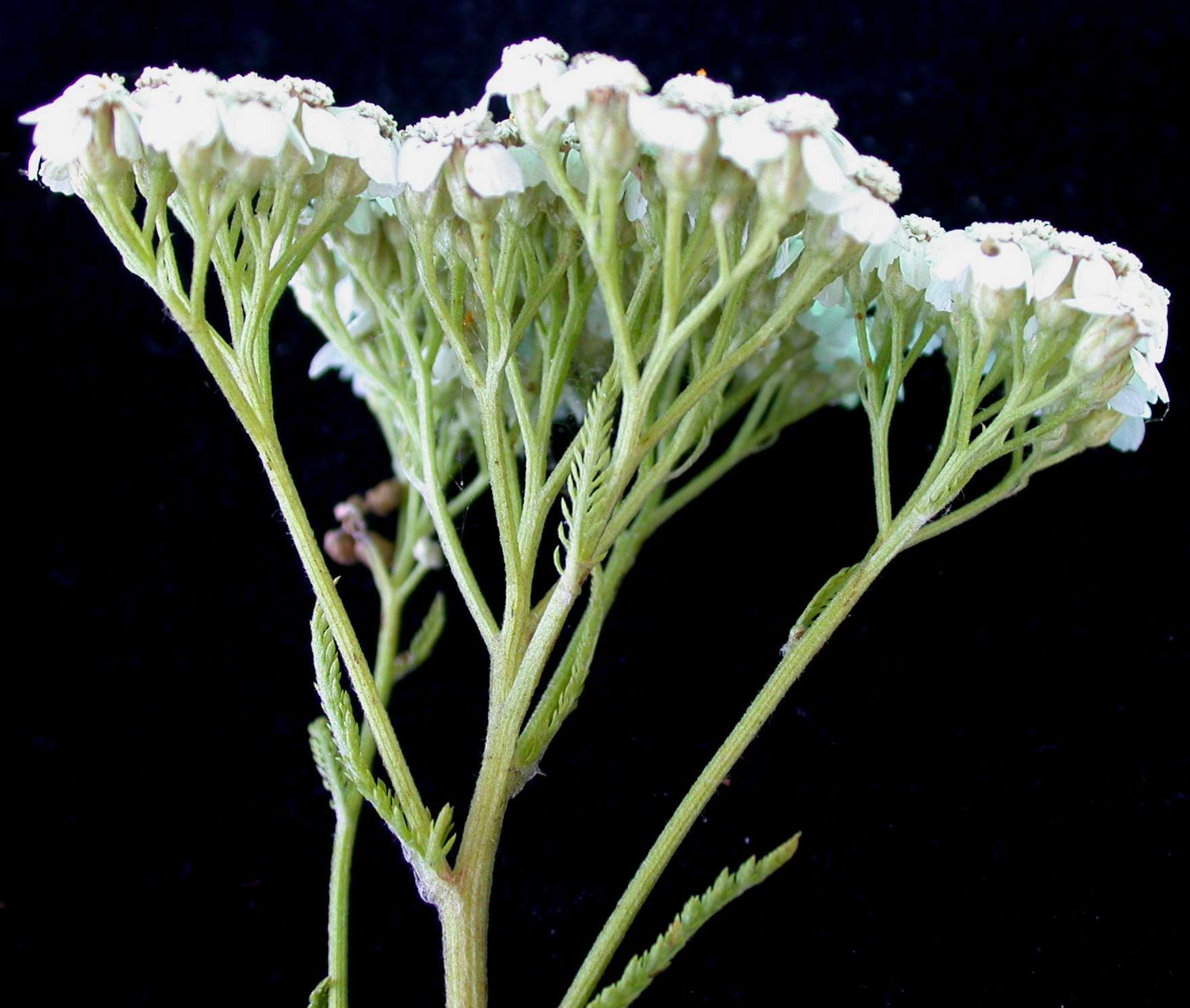
A traditional herb kept purchased-only because fatal white-flowered lookalikes make beginner wild collection an unreasonable risk.
Being Tea Co provides education, not medical advice, treatment, or positive plant identification. Natural does not mean risk-free. Never ingest a wild plant or fungus from a photograph, app result, common name, or this website alone.
Herbs can cause allergic reactions and interact with medicines. Pregnancy, breastfeeding, childhood, surgery, seizure history, kidney or liver conditions, and other health factors can change what is appropriate. Ask a qualified clinician or pharmacist about your own situation.
At a glance
| Scientific name | Achillea millefolium |
|---|---|
| Exact part | Purchased dried flowering aerial parts |
| Safety class | Purchased only · no wild-harvest recipe |
| Source | Single-ingredient, correctly labeled commercial herbal product |
| Season | Flowers generally late spring through summer |
| Broad region | Circumboreal; reported across the United States, including Alaska, and Canada |
Research lead—not positive identification or permission to harvest.
Identity
- A perennial rhizomatous herb with one to several erect stems.
- Narrow leaves are repeatedly divided into many fine segments, giving a feathery outline.
- Many tiny composite heads form a relatively flat-topped cluster.
- Aromatic foliage is only supporting evidence and never a taste or smell test for safety.
Lookalikes and exclusions
Poison hemlock and water hemlock can be fatal and may look superficially similar from a distance. Hemlocks have true umbrella-like umbels and broader compound leaves; wild carrot, cow parsnip, and other white-flowered plants add confusion. These traits are not a stand-alone permission to ingest.
Do not proceed if
- The scientific name, exact plant part, or maturity stage is uncertain.
- A dangerous or confusing lookalike has not been ruled out with current regional sources.
- The landowner or land manager has not expressly allowed collection.
- The population is sparse, protected, stressed, culturally sensitive, or needed by wildlife.
- Road runoff, spraying, industrial history, pet waste, polluted water, mold, or other contamination is possible.
- Your allergy, pregnancy, breastfeeding, childhood, surgery, health-condition, or medication questions have not been resolved.
Where and when
Yarrow is common in open ground, meadows, roadsides, and disturbed sites, but common does not mean clean, permitted, correctly identified, or appropriate for ingestion.
Harvest ethics
This page does not encourage wild gathering. Observe and photograph the living plant; use a labeled purchased product if discussing culinary or traditional preparations.
Culinary and traditional context
The European Medicines Agency recognizes specified yarrow preparations for traditional-use indications. That category means long-standing plausible use, not robust clinical proof.
What the research can—and cannot—say
Modern evidence does not justify presenting a home yarrow drink as treatment for appetite, digestion, menstrual pain, wounds, or other conditions. Essential-oil use is a separate and more concentrated exposure.
Side effects and interactions
- Avoid with known yarrow or Asteraceae allergy; skin hypersensitivity has been reported.
- Pregnancy and breastfeeding safety is insufficient for medicinal use.
- The EMA monograph’s internal uses are for adults and adolescents over 12, not young children.
- Medication users should seek product-specific review rather than relying on broad internet interaction lists.
Preparation
No wild recipe or essential-oil ingestion is published. If a reader chooses a correctly labeled single-ingredient commercial product after reviewing personal risks, the package directions—not this page—govern preparation.
Kitchen ritual & folklore
The many small heads can symbolize gathering scattered attention. A field sketch or purchased herbarium-style study keeps the ritual clear of lookalike risk.
Folklore and personal ritual are presented as cultural or reflective practices. They are not evidence that an ingredient changes physiology, treats illness, predicts events, or is safe for a particular person.
Sources and review
- US Forest Service: Achillea millefolium Species Review
- European Medicines Agency: Yarrow Herb Monograph and Assessment
- University of Minnesota Extension: Poison Hemlock Identification
- National Park Service: Poison Hemlock
Editorial safety review: July 29, 2026. Re-check linked sources, local rules, and product labels before use; evidence and regulations change.
 Being Tea Co
