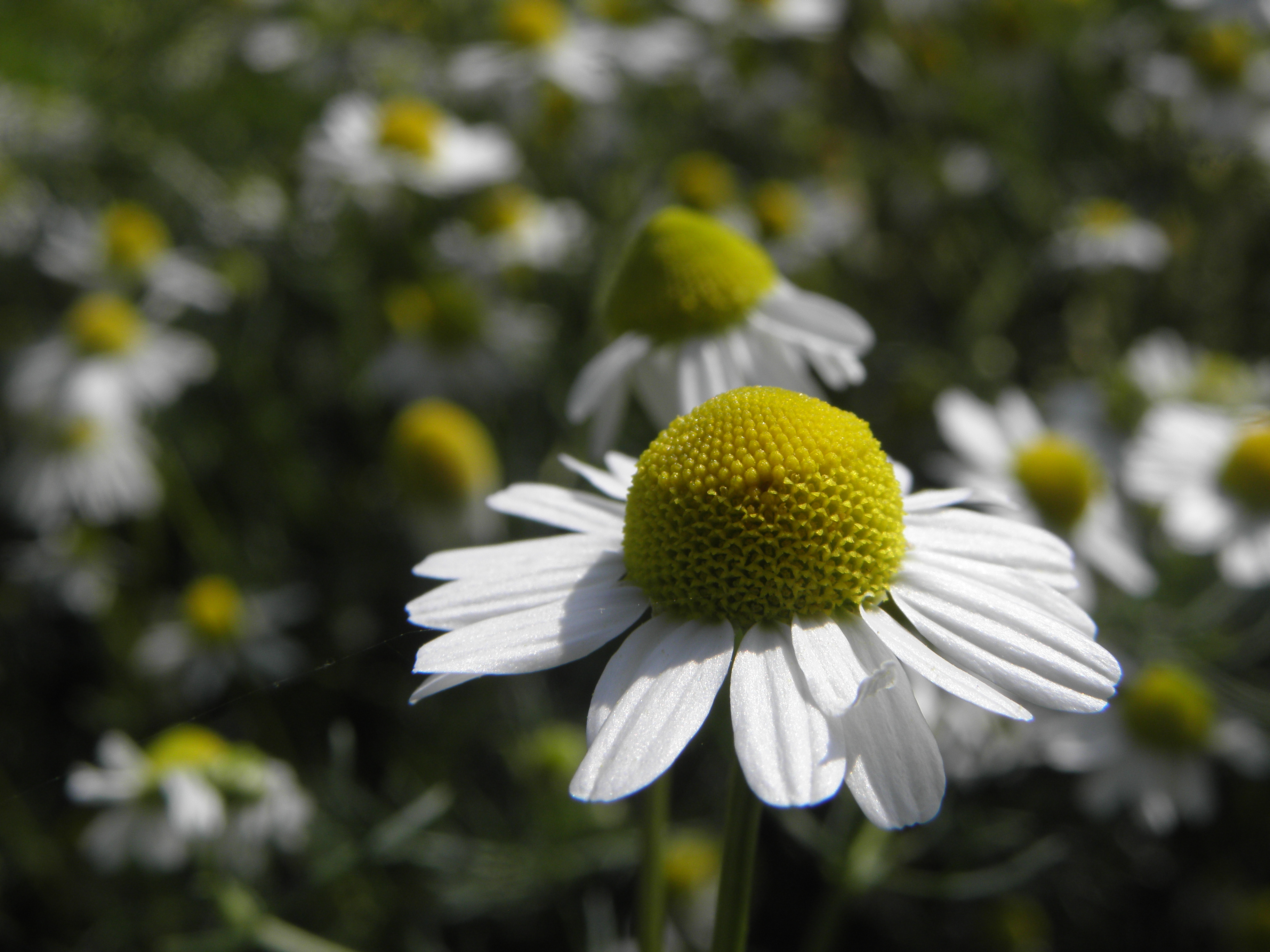
A soft floral infusion with a long household history and an important daisy-family allergy caution.
Being Tea Co provides education, not medical advice, treatment, or positive plant identification. Natural does not mean risk-free. Never ingest a wild plant or fungus from a photograph, app result, common name, or this website alone.
Herbs can cause allergic reactions and interact with medicines. Pregnancy, breastfeeding, childhood, surgery, seizure history, kidney or liver conditions, and other health factors can change what is appropriate. Ask a qualified clinician or pharmacist about your own situation.
At a glance
| Scientific name | Matricaria chamomilla / Matricaria recutita |
|---|---|
| Exact part | Food-grade flower heads |
| Safety class | Starter kitchen · buy or grow |
| Source | Labeled seed, garden plant, or packaged flower |
| Season | Summer flowers; dried year-round |
| Broad region | Cultivated across temperate regions |
Research lead—not positive identification or permission to harvest.
Identity
- Use German chamomile grown from labeled seed or packaged flower heads.
- The accepted scientific names Matricaria chamomilla and Matricaria recutita are both commonly used.
- Do not use an unidentified wild daisy-family flower for this cup.
Lookalikes and exclusions
Many small daisy-like plants look similar in photographs. Wild collection is outside this starter guide.
Do not proceed if
- The scientific name, exact plant part, or maturity stage is uncertain.
- A dangerous or confusing lookalike has not been ruled out with current regional sources.
- The landowner or land manager has not expressly allowed collection.
- The population is sparse, protected, stressed, culturally sensitive, or needed by wildlife.
- Road runoff, spraying, industrial history, pet waste, polluted water, mold, or other contamination is possible.
- Your allergy, pregnancy, breastfeeding, childhood, surgery, health-condition, or medication questions have not been resolved.
Where and when
Grow in a known garden bed or buy food-grade dried flowers. This avoids guessing among wild Asteraceae.
Harvest ethics
Leave some garden flowers for pollinators and seed. Dry clean flower heads promptly to avoid mold.
Culinary and traditional context
Chamomile is associated with rest in many modern households. That cultural meaning can shape an evening ritual even though a relaxing association is not the same as proven insomnia treatment.
What the research can—and cannot—say
NCCIH says chamomile has not been conclusively shown to treat insomnia or other conditions. Tea quantities are generally considered safe for many adults, but allergy and interaction questions matter.
Side effects and interactions
- Rare severe allergic reactions can occur, especially in people allergic to ragweed, chrysanthemums, marigolds, daisies, or related plants.
- Warfarin, sedatives, liver-metabolized medicines, estrogen-sensitive conditions, pregnancy, and breastfeeding deserve professional review.
- Stop immediately if swelling, wheezing, hives, or other allergy symptoms occur.
Preparation
Use package directions. House cup: 1–2 teaspoons food-grade dried flower heads in 250 mL just-boiled water, covered 5 minutes, then strain well.
Kitchen ritual & folklore
A low light, covered steep, and quiet cup may mark the end of a day. Present that as a practice of attention, not a promise of sleep.
Folklore and personal ritual are presented as cultural or reflective practices. They are not evidence that an ingredient changes physiology, treats illness, predicts events, or is safe for a particular person.
Sources and review
- NCCIH: Chamomile
- University of Minnesota Extension: Edible Flowers
- European Medicines Agency: Matricaria Flower Monograph
Editorial safety review: July 29, 2026. Re-check linked sources, local rules, and product labels before use; evidence and regulations change.
 Being Tea Co
.jpg)