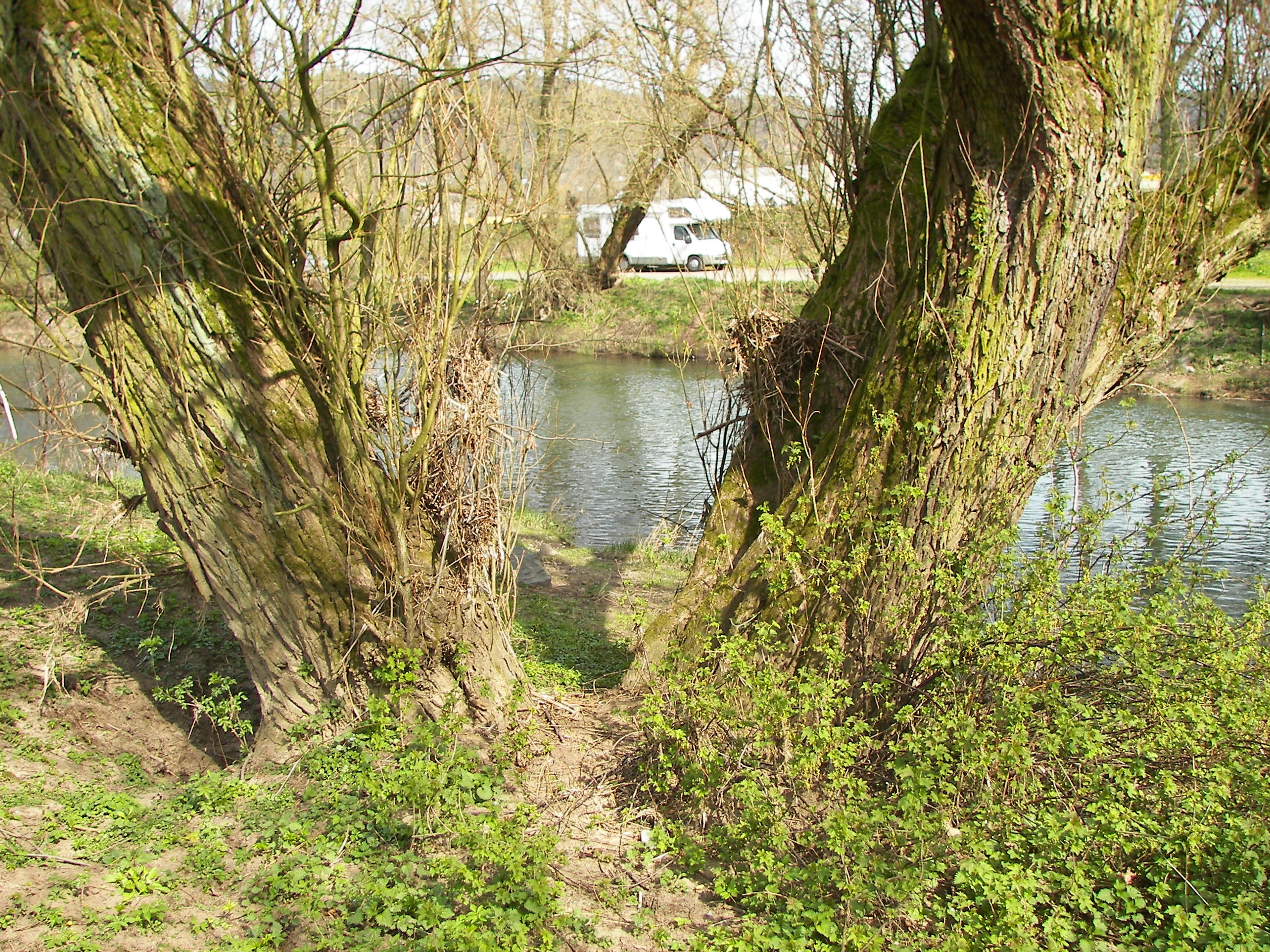
A historically important salicylate source kept learn-only because willow identification, tree injury, dose variation, bleeding risk, and child or pregnancy cautions require medical-product discipline.
Being Tea Co provides education, not medical advice, treatment, or positive plant identification. Natural does not mean risk-free. Never ingest a wild plant or fungus from a photograph, app result, common name, or this website alone.
Herbs can cause allergic reactions and interact with medicines. Pregnancy, breastfeeding, childhood, surgery, seizure history, kidney or liver conditions, and other health factors can change what is appropriate. Ask a qualified clinician or pharmacist about your own situation.
At a glance
| Scientific name | Salix alba |
|---|---|
| Exact part | Dried bark in standardized-product research—education only |
| Safety class | Learn only · no bark harvest or decoction |
| Source | Review monographs and manufactured products, not living-tree bark |
| Season | Catkins appear in spring around leaf emergence |
| Broad region | Native to Europe, western and central Asia, and parts of North Africa; widely planted elsewhere |
Research lead—not positive identification or permission to harvest.
Identity
- Alternate narrow lance-shaped leaves are finely toothed and silvery-downy beneath.
- Mature trees can be large with a broad crown and arching branches.
- Older bark becomes gray-brown and deeply fissured.
- Willows have a single externally visible bud scale and separate male and female trees.
Lookalikes and exclusions
The genus includes many species, cultivars, and hybrids, and even forestry guides describe willow identification as difficult. Chemistry and salicin yield cannot be inferred reliably from a casual identification.
Do not proceed if
- The scientific name, exact plant part, or maturity stage is uncertain.
- A dangerous or confusing lookalike has not been ruled out with current regional sources.
- The landowner or land manager has not expressly allowed collection.
- The population is sparse, protected, stressed, culturally sensitive, or needed by wildlife.
- Road runoff, spraying, industrial history, pet waste, polluted water, mold, or other contamination is possible.
- Your allergy, pregnancy, breastfeeding, childhood, surgery, health-condition, or medication questions have not been resolved.
Where and when
White willow is associated with wet ground and floodplains but is not the default willow across North America. A riparian tree’s presence does not establish species, permission, or chemical content.
Harvest ethics
Removing bark wounds a living tree and can girdle or kill branches and trunks. This site publishes no bark-stripping instructions; photographs, herbarium specimens, and regulated products are the appropriate study materials.
Culinary and traditional context
Willow bark has a long pain and fever history and is connected to the development of salicylate medicines. Historical importance does not make a variable homemade decoction equivalent to aspirin or a standardized extract.
What the research can—and cannot—say
A small randomized trial in adults with osteoarthritis reported a modest short-term effect from a standardized extract corresponding to 240 mg salicin per day. NCCIH characterizes the evidence as limited. That product and dose do not validate bark stripped from a tree.
Side effects and interactions
- Do not use in children or adolescents, pregnancy or breastfeeding, or with aspirin or NSAID allergy.
- Avoid with salicylate-sensitive asthma, active ulcer disease, severe liver or kidney dysfunction, clotting disorders, or G6PD deficiency.
- Aspirin, salicylates, NSAIDs, anticoagulants, and antiplatelet medicines can compound bleeding or adverse-effect concerns.
- Third-trimester use is specifically contraindicated in the EMA monograph.
Preparation
No bark stripping, decoction, dose, pediatric use, or essential-oil instruction is published. A standardized medicinal product requires its own label and clinician or pharmacist review.
Kitchen ritual & folklore
Studying an intact willow beside moving water can support a reflection on flexibility. Keeping the bark on the tree is the ethical center of the practice.
Folklore and personal ritual are presented as cultural or reflective practices. They are not evidence that an ingredient changes physiology, treats illness, predicts events, or is safe for a particular person.
Sources and review
- UK Forest Research: Broadleaf Identification Guide
- European Medicines Agency: Willow Bark Monograph and Safety
- NCCIH: Willow Bark Evidence and Safety
- PubMed: Randomized Standardized Willow-Bark Trial
- PubMed: Willow Bark and Platelet Aggregation
Editorial safety review: July 29, 2026. Re-check linked sources, local rules, and product labels before use; evidence and regulations change.
 Being Tea Co
