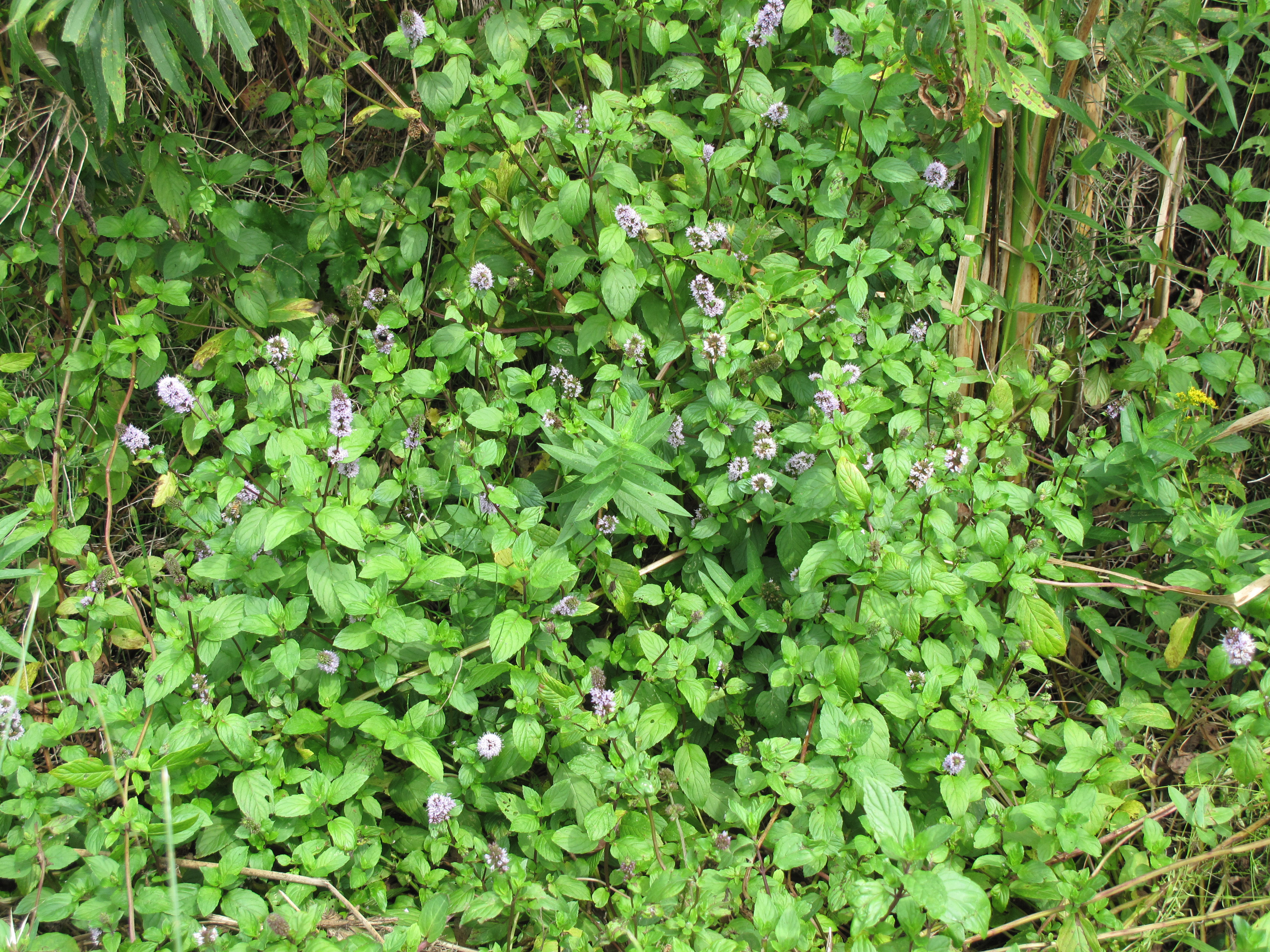
A familiar cooling infusion whose tea is not equivalent to concentrated peppermint oil.
Being Tea Co provides education, not medical advice, treatment, or positive plant identification. Natural does not mean risk-free. Never ingest a wild plant or fungus from a photograph, app result, common name, or this website alone.
Herbs can cause allergic reactions and interact with medicines. Pregnancy, breastfeeding, childhood, surgery, seizure history, kidney or liver conditions, and other health factors can change what is appropriate. Ask a qualified clinician or pharmacist about your own situation.
At a glance
| Scientific name | Mentha × piperita |
|---|---|
| Exact part | Labeled culinary leaf |
| Safety class | Starter kitchen · buy or grow |
| Source | Labeled plant or packaged food-grade leaf |
| Season | Fresh spring through fall; dried year-round |
| Broad region | Cultivated widely in temperate North America |
Research lead—not positive identification or permission to harvest.
Identity
- Use a plant labeled Mentha × piperita or a packaged peppermint tea.
- Mint hybridizes readily; aroma and a phone image are not reliable proof of a volunteer garden or wild plant.
- Keep peppermint separate from pennyroyal and from concentrated essential-oil products.
Lookalikes and exclusions
Pennyroyal products can be dangerous, especially the oil. Do not use a wild mint for tea because it “smells minty.”
Do not proceed if
- The scientific name, exact plant part, or maturity stage is uncertain.
- A dangerous or confusing lookalike has not been ruled out with current regional sources.
- The landowner or land manager has not expressly allowed collection.
- The population is sparse, protected, stressed, culturally sensitive, or needed by wildlife.
- Road runoff, spraying, industrial history, pet waste, polluted water, mold, or other contamination is possible.
- Your allergy, pregnancy, breastfeeding, childhood, surgery, health-condition, or medication questions have not been resolved.
Where and when
Grow in a container from a labeled start because mint spreads aggressively, or buy dried leaf. The starter profile does not recommend casual wild-mint gathering.
Harvest ethics
Contain garden roots, avoid dumping cuttings where they can spread, and harvest lightly before flowering if fresh leaf flavor is the goal.
Culinary and traditional context
Peppermint is used as a culinary drink in many households. Its cooling sensation can anchor a ritual of pause or clarity, while remaining a sensory metaphor rather than a medical claim.
What the research can—and cannot—say
NCCIH’s detailed research discussion focuses mainly on peppermint oil, not tea. Peppermint tea appears generally safe, but evidence about large quantities or long-term use is limited.
Side effects and interactions
- Peppermint may aggravate heartburn or reflux for some people.
- Do not swallow peppermint essential oil or equate drops of oil with a cup made from leaf.
- Discuss concentrated or medicinal use during pregnancy, breastfeeding, childhood, or with medicines.
Preparation
Use package directions when present. House cup: 1–2 teaspoons dried leaf or a small clean sprig in 250 mL just-boiled water, covered for 5–8 minutes, then strained.
Kitchen ritual & folklore
Cooling aroma, breath, and a clean cup can support an intentional reset. Say “ritual of clarity” rather than claiming the infusion treats anxiety or respiratory disease.
Folklore and personal ritual are presented as cultural or reflective practices. They are not evidence that an ingredient changes physiology, treats illness, predicts events, or is safe for a particular person.
Sources and review
Editorial safety review: July 29, 2026. Re-check linked sources, local rules, and product labels before use; evidence and regulations change.
 Being Tea Co
