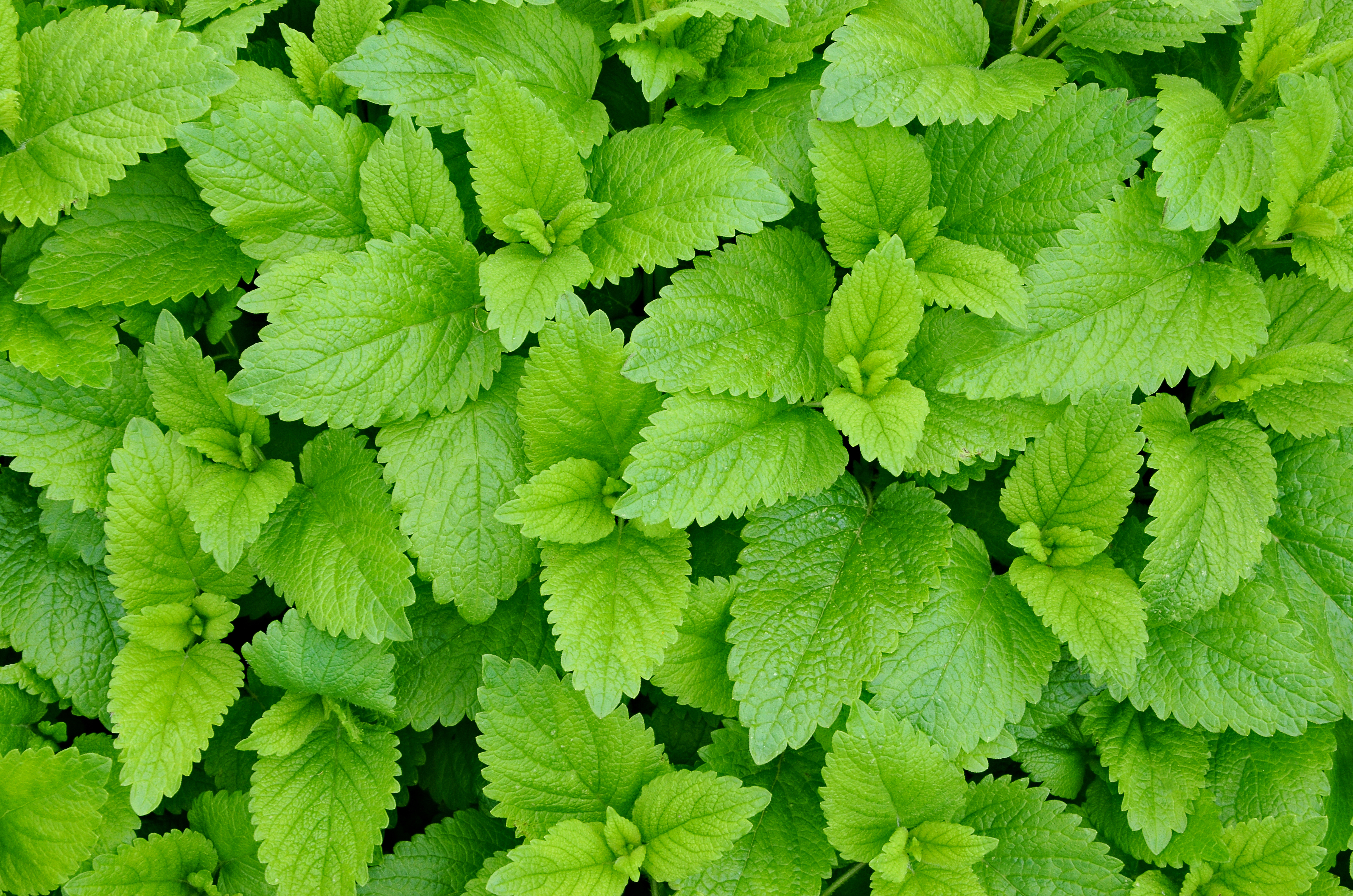
A lemon-scented mint-family leaf with a long calming-tea tradition, limited product-specific human research, possible drowsiness, and a laboratory thyroid signal that deserves honest labeling.
Being Tea Co provides education, not medical advice, treatment, or positive plant identification. Natural does not mean risk-free. Never ingest a wild plant or fungus from a photograph, app result, common name, or this website alone.
Herbs can cause allergic reactions and interact with medicines. Pregnancy, breastfeeding, childhood, surgery, seizure history, kidney or liver conditions, and other health factors can change what is appropriate. Ask a qualified clinician or pharmacist about your own situation.
At a glance
| Scientific name | Melissa officinalis L. |
|---|---|
| Exact part | Labeled food-grade leaf |
| Safety class | Starter garden · occasional evening cup |
| Source | Labeled nursery plant or single-ingredient packaged leaf |
| Season | Fresh during active growth; dried leaf year-round |
| Broad region | Native from the Mediterranean into Central Asia and widely cultivated or naturalized in temperate regions |
Research lead—not positive identification or permission to harvest.
Identity
- The label should read Melissa officinalis. “Lemon herb,” “balm,” or a citrus scent alone is not an identification.
- Leaves grow oppositely on a square mint-family stem and are broadly ovate to heart-shaped with wrinkled surfaces and rounded-toothed margins.
- A gently bruised leaf is lemon-scented, but aroma supports—not proves—identity.
- Use leaves from a known unsprayed garden plant or a packaged food ingredient. Essential oil and concentrated extracts are separate products.
Lookalikes and exclusions
Catnip, mints, lemon mint, citronella-scented geranium, and other aromatic mint-family plants can be confused at a glance. Mint relatives also hybridize or escape cultivation; this page does not authorize gathering a lemon-scented volunteer.
Do not proceed if
- The scientific name, exact plant part, or maturity stage is uncertain.
- A dangerous or confusing lookalike has not been ruled out with current regional sources.
- The landowner or land manager has not expressly allowed collection.
- The population is sparse, protected, stressed, culturally sensitive, or needed by wildlife.
- Road runoff, spraying, industrial history, pet waste, polluted water, mold, or other contamination is possible.
- Your allergy, pregnancy, breastfeeding, childhood, surgery, health-condition, or medication questions have not been resolved.
Where and when
Grow from labeled seed or a nursery start, preferably in a container or managed bed because it can self-seed. A packaged single-ingredient leaf is the lower-risk route when the garden identity or spray history is uncertain.
Harvest ethics
Harvest a minority of clean leaves before heavy flowering, leaving stems and flowers for continued growth and pollinators. Prevent unwanted seed spread and never collect from another garden or naturalized patch without permission.
Culinary and traditional context
European household and monastic herb traditions have used lemon balm for mild stress, sleep, and digestive discomfort. The EMA classifies those medicinal indications as traditional use based on long-standing practice, not well-established clinical efficacy.
What the research can—and cannot—say
Small human studies have tested standardized extracts, combinations, or specially formulated products and reported signals for sleep, mood, or other outcomes. Those products differ from a home infusion, several studies are small or commercially connected, and the results do not establish that lemon balm tea treats anxiety or insomnia.
Side effects and interactions
- Lemon balm may cause drowsiness and may impair driving or machinery use. Do not combine a first or strong serving with alcohol, cannabis, sleep medicines, sedatives, or other drowsiness-producing products without clinical advice.
- EMA notes that water extract inhibited thyroid-stimulating hormone activity in laboratory and animal work; the clinical relevance is unknown. People with thyroid disease or thyroid medicine should ask their clinician before regular medicinal use.
- Safety during pregnancy and breastfeeding is not established, and EMA does not recommend medicinal use in children under 12 because data are inadequate.
- Stop for rash, swelling, breathing difficulty, marked dizziness, or unexpected palpitations. Mint-family allergy is possible.
- A standardized extract, tincture, combination sleep product, and lightly brewed leaf tea are not interchangeable exposures.
Preparation
House cup: use package directions or start with 1 teaspoon loosely filled dried leaf—or 4–6 clean fresh leaves—in 250–300 mL just-boiled water. Cover for 5 minutes, strain, and first try it when driving is finished for the day. This is not a sleep-treatment dose.
Kitchen ritual & folklore
The easily released lemon scent can mark a transition from work to rest. Describe calm, welcome, or heart-centered symbolism as personal or historical practice—not as a promise to correct anxiety, insomnia, or thyroid function.
Folklore and personal ritual are presented as cultural or reflective practices. They are not evidence that an ingredient changes physiology, treats illness, predicts events, or is safe for a particular person.
Sources and review
- European Medicines Agency: Melissa Leaf Overview and Monograph
- European Medicines Agency: Final Melissa Leaf Monograph
- Kew Plants of the World Online: Melissa officinalis
- PubMed: Randomized Safety and Pharmacokinetic Study of Melissa Extract
- PubMed: 2024 Placebo-Controlled Standardized-Extract Sleep Study
- PubMed: In-Vitro Melissa Extract and TSH-Receptor Study
Editorial safety review: July 29, 2026. Re-check linked sources, local rules, and product labels before use; evidence and regulations change.
 Being Tea Co
