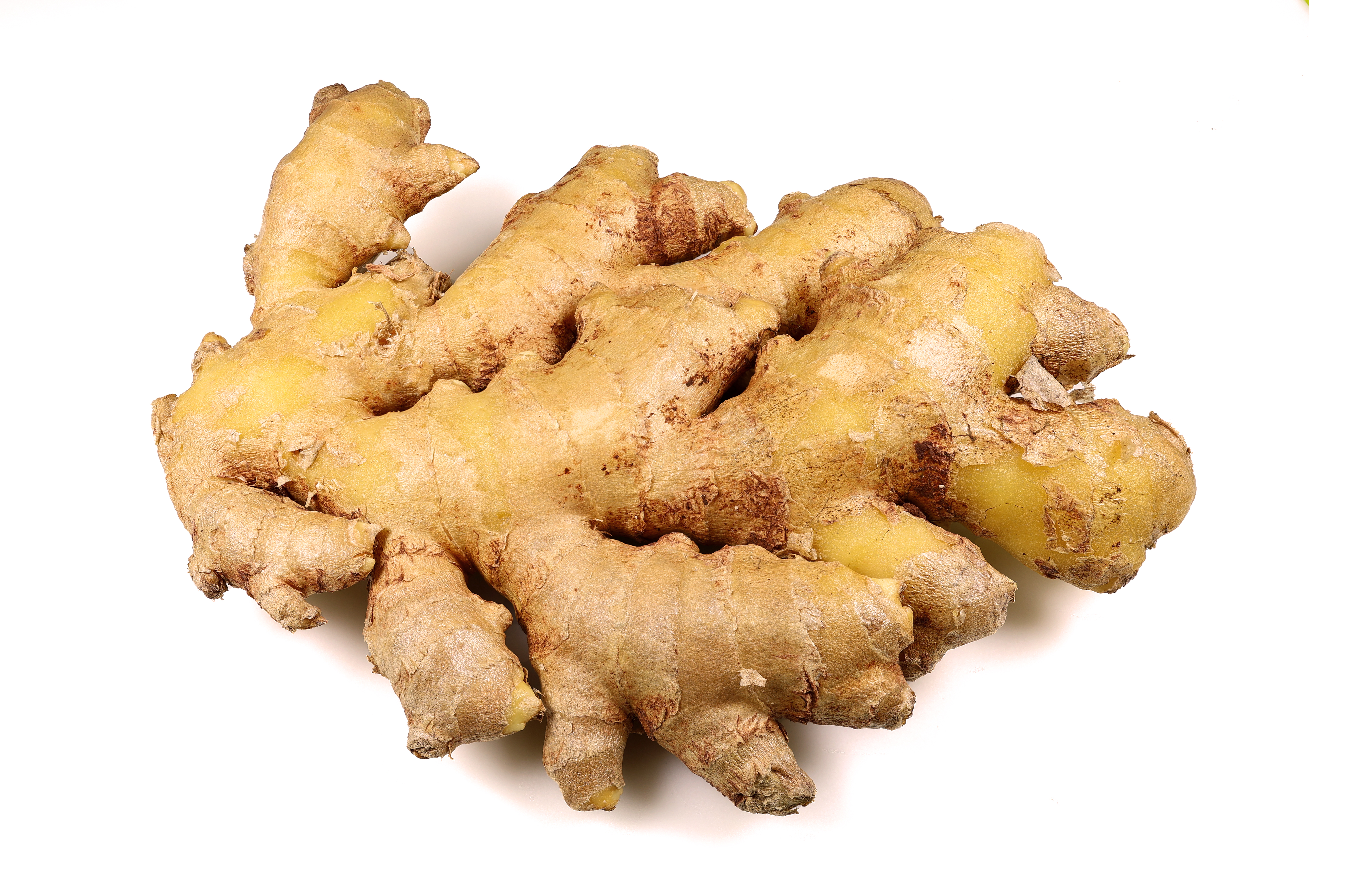
A warming, pungent kitchen infusion with some human research behind specific nausea and menstrual-cramp questions—but not a cure-all.
Being Tea Co provides education, not medical advice, treatment, or positive plant identification. Natural does not mean risk-free. Never ingest a wild plant or fungus from a photograph, app result, common name, or this website alone.
Herbs can cause allergic reactions and interact with medicines. Pregnancy, breastfeeding, childhood, surgery, seizure history, kidney or liver conditions, and other health factors can change what is appropriate. Ask a qualified clinician or pharmacist about your own situation.
At a glance
| Scientific name | Zingiber officinale |
|---|---|
| Exact part | Food-grade rhizome |
| Safety class | Starter kitchen · buy or grow |
| Source | Grocery, garden, or reputable dried ingredient |
| Season | Year-round as a purchased ingredient |
| Broad region | Not a realistic wild forage in most of North America |
Research lead—not positive identification or permission to harvest.
Identity
- Use a labeled grocery rhizome, garden plant, or packaged dried ginger identified as Zingiber officinale.
- A firm rhizome should smell fresh and spicy. Discard moldy, slimy, or badly decayed material.
- This profile is not a guide to finding wild ginger. North American plants called wild ginger belong to different genera and are not substitutes.
Lookalikes and exclusions
Do not substitute a plant because its common name contains “ginger.” Common names are not proof of botanical identity.
Do not proceed if
- The scientific name, exact plant part, or maturity stage is uncertain.
- A dangerous or confusing lookalike has not been ruled out with current regional sources.
- The landowner or land manager has not expressly allowed collection.
- The population is sparse, protected, stressed, culturally sensitive, or needed by wildlife.
- Road runoff, spraying, industrial history, pet waste, polluted water, mold, or other contamination is possible.
- Your allergy, pregnancy, breastfeeding, childhood, surgery, health-condition, or medication questions have not been resolved.
Where and when
This is a kitchen-and-garden profile. Ginger is a tropical crop; use a food-grade ingredient rather than treating it as a local wild-foraging target.
Harvest ethics
Choose a source that identifies the ingredient and country of origin when possible. Buy only what you can use while fresh, or dry/freeze portions to reduce waste.
Culinary and traditional context
Ginger appears in many culinary and healing traditions. Name the particular tradition when telling a story; do not collapse many cultures into one generic “ancient remedy.”
What the research can—and cannot—say
NCCIH reports that research suggests ginger may help pregnancy-related nausea and may reduce menstrual-cramp severity, but much of that research studies supplements rather than a home cup of ginger water. Evidence for other promoted uses is uncertain.
Side effects and interactions
- Possible heartburn, abdominal discomfort, diarrhea, or mouth and throat irritation.
- Pregnancy-related use should be discussed with a clinician even though ordinary food use and concentrated products are not the same exposure.
- Ask a clinician or pharmacist before medicinal or high-quantity use with medicines or before surgery.
Preparation
House cup: wash the rhizome under running water, thinly slice four to six small coins, cover with about 350 mL just-boiled water, and steep 8–10 minutes. This is a modest culinary starting point, not a therapeutic dose. Stop if it causes discomfort.
Kitchen ritual & folklore
For a kitchen-witchcraft frame, let ginger stand for warmth, movement, or beginning—but label that as personal ritual or folklore, separate from clinical evidence.
Folklore and personal ritual are presented as cultural or reflective practices. They are not evidence that an ingredient changes physiology, treats illness, predicts events, or is safe for a particular person.
Sources and review
- NCCIH: Ginger
- Oregon State University Extension: Garden Herbal Tea
- European Medicines Agency: Ginger Rhizome Monograph
Editorial safety review: July 29, 2026. Re-check linked sources, local rules, and product labels before use; evidence and regulations change.
 Being Tea Co
