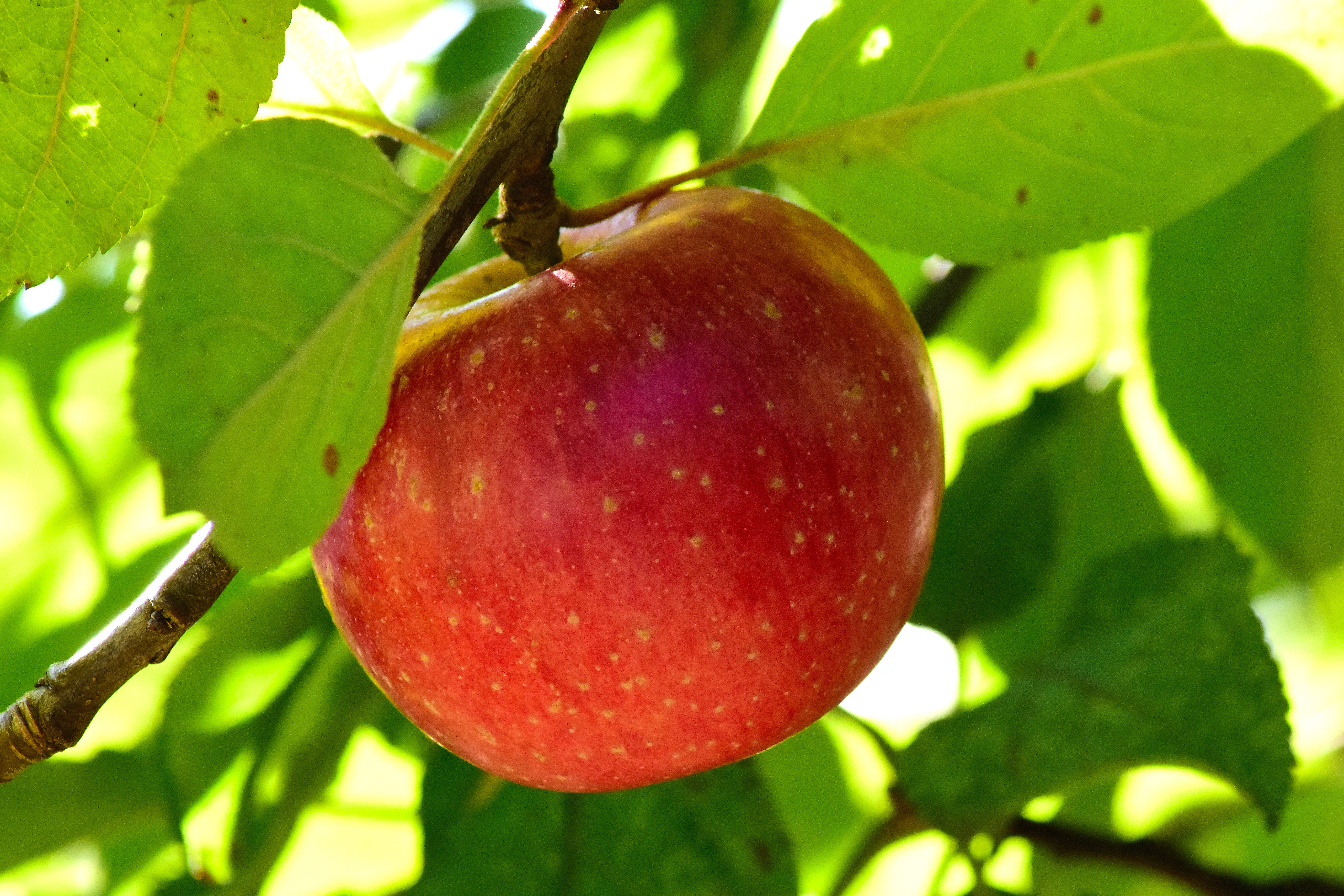
A gentle way to use clean apple peel as flavor before composting it—without turning food-waste reduction into a detox claim.
Being Tea Co provides education, not medical advice, treatment, or positive plant identification. Natural does not mean risk-free. Never ingest a wild plant or fungus from a photograph, app result, common name, or this website alone.
Herbs can cause allergic reactions and interact with medicines. Pregnancy, breastfeeding, childhood, surgery, seizure history, kidney or liver conditions, and other health factors can change what is appropriate. Ask a qualified clinician or pharmacist about your own situation.
At a glance
| Scientific name | Malus domestica (food apple) |
|---|---|
| Exact part | Fresh peel only; exclude seeds, core, rot, and mold |
| Safety class | Starter kitchen · food ingredient |
| Source | A sound, washed eating apple |
| Season | Year-round; especially useful during apple season |
| Broad region | Kitchen ingredient wherever food apples are sold or grown |
Research lead—not positive identification or permission to harvest.
Identity
- Use the peel from a sound apple intended for food.
- Wash the whole apple under running water before peeling.
- Discard bruised rot, mold, the core, and seeds from the infusion material.
Lookalikes and exclusions
This is not a wild crabapple identification guide. Do not gather unknown fruit for this recipe.
Do not proceed if
- The scientific name, exact plant part, or maturity stage is uncertain.
- A dangerous or confusing lookalike has not been ruled out with current regional sources.
- The landowner or land manager has not expressly allowed collection.
- The population is sparse, protected, stressed, culturally sensitive, or needed by wildlife.
- Road runoff, spraying, industrial history, pet waste, polluted water, mold, or other contamination is possible.
- Your allergy, pregnancy, breastfeeding, childhood, surgery, health-condition, or medication questions have not been resolved.
Where and when
Use a grocery, orchard, or known home-garden apple. Ask an orchard before collecting dropped fruit and avoid decayed windfalls.
Harvest ethics
Use peel left from another recipe, then compost the spent material where appropriate. A small kitchen loop is enough; no health promise is needed to make it meaningful.
Culinary and traditional context
Peel infusions fit frugal kitchen traditions that recover aroma before scraps return to compost. Folklore about sweetness, harvest, or hospitality can be included as symbolism.
What the research can—and cannot—say
This page makes no treatment claim. An apple peel infusion is flavored water made from an ordinary food ingredient; the amount and composition vary with apple, cut, time, and temperature.
Side effects and interactions
- Do not use fruit that is moldy or rotten.
- People with apple allergy should avoid it.
- If a medical diet restricts fruit, sugar, or fluids, follow personal clinical guidance.
Preparation
Rinse the whole apple under plain running water; do not use soap or produce wash. Add the peel from one apple to about 400 mL water, simmer gently for 8–10 minutes, strain, and drink fresh. Refrigerate leftovers promptly and discard if quality is doubtful.
Kitchen ritual & folklore
Let this cup represent thrift, harvest, or returning scraps to the soil. Keep the meaning personal and ecological rather than describing the drink as cleansing the body.
Folklore and personal ritual are presented as cultural or reflective practices. They are not evidence that an ingredient changes physiology, treats illness, predicts events, or is safe for a particular person.
Sources and review
- FDA: Selecting and Serving Produce Safely
- FDA: Safe Food Handling
- Kew Plants of the World Online: Malus domestica
Editorial safety review: July 29, 2026. Re-check linked sources, local rules, and product labels before use; evidence and regulations change.
 Being Tea Co
