A culturally significant northern shrub kept learn-only because blurred species boundaries, variable ledol or grayanotoxin exposure, and lack of adequate human efficacy evidence make a consumer recipe inappropriate.
Being Tea Co provides education, not medical advice, treatment, or positive plant identification. Natural does not mean risk-free. Never ingest a wild plant or fungus from a photograph, app result, common name, or this website alone.
Herbs can cause allergic reactions and interact with medicines. Pregnancy, breastfeeding, childhood, surgery, seizure history, kidney or liver conditions, and other health factors can change what is appropriate. Ask a qualified clinician or pharmacist about your own situation.
At a glance
| Scientific name | Rhododendron groenlandicum |
|---|---|
| Exact part | Evergreen leaves in historical context—education only |
| Safety class | Learn only · no preparation |
| Source | Observe sensitive habitat and study attributed sources |
| Season | Flowers generally mid-June to mid-July in Alaska; capsules open in fall |
| Broad region | Alaska, Canada, Greenland, and northern United States |
Research lead—not positive identification or permission to harvest.
Identity
- An erect strongly aromatic evergreen shrub, usually below about 1–1.5 meters.
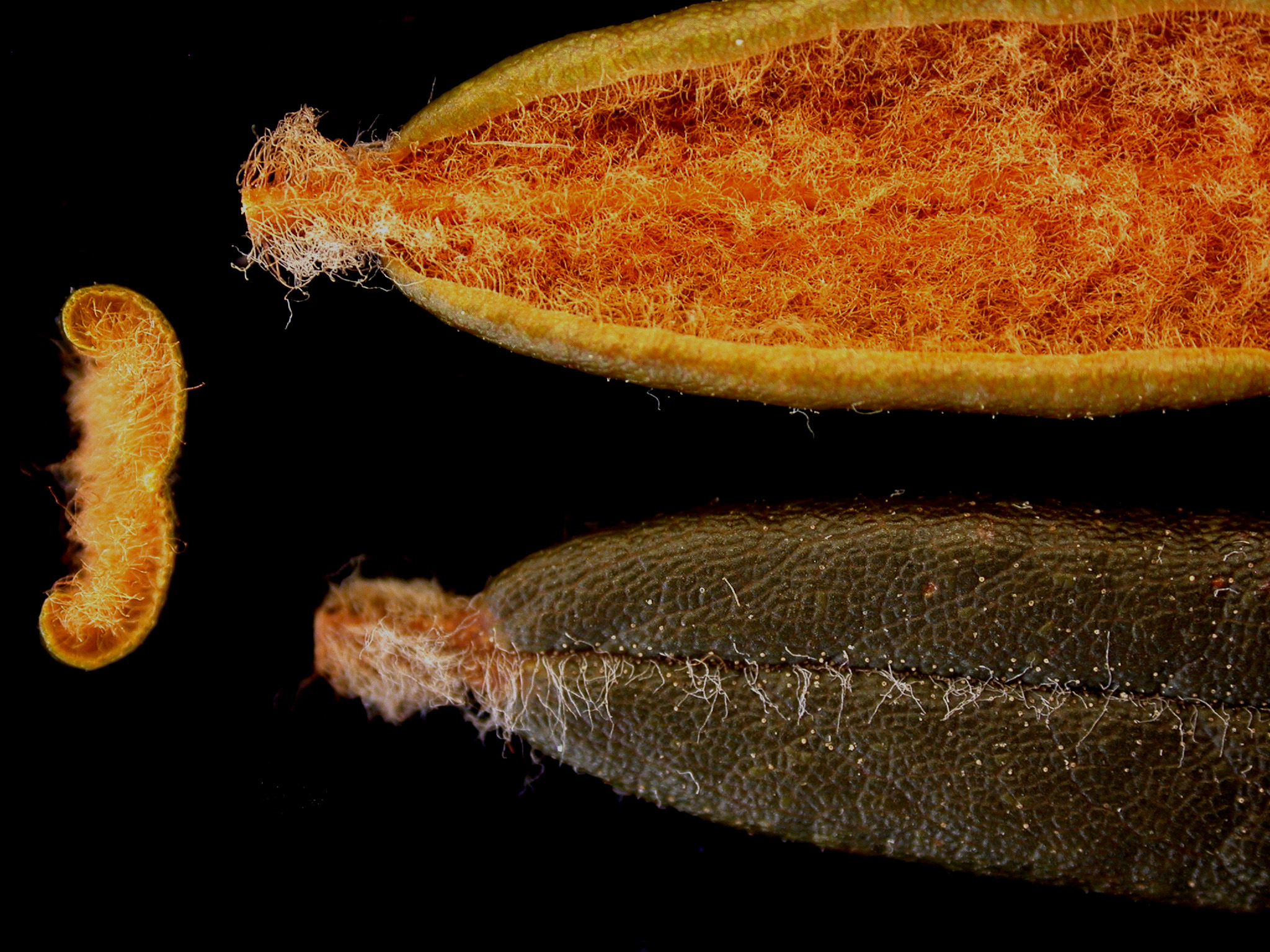
- Alternate narrow leathery leaves have strongly rolled-under margins.
- Leaf tops are dark green while the undersides carry dense orange-rust or brown woolly hairs.
- White separate-petaled flowers form tight terminal clusters; fruit is a five-part capsule, not a berry.
Lookalikes and exclusions
Alaska has multiple plants called Labrador tea, including Rhododendron tomentosum and R. neoglandulosum, with blurred species boundaries. Bog rosemary and other heaths share habitat. A common name, aroma, or leaf photo cannot establish species or chemistry.
Do not proceed if
- The scientific name, exact plant part, or maturity stage is uncertain.
- A dangerous or confusing lookalike has not been ruled out with current regional sources.
- The landowner or land manager has not expressly allowed collection.
- The population is sparse, protected, stressed, culturally sensitive, or needed by wildlife.
- Road runoff, spraying, industrial history, pet waste, polluted water, mold, or other contamination is possible.
- Your allergy, pregnancy, breastfeeding, childhood, surgery, health-condition, or medication questions have not been resolved.
Where and when
Bog Labrador tea grows in bogs, fens, muskegs, wet conifer forest, tundra, and dwarf-shrub communities. Wetlands are sensitive, difficult to traverse safely, and may be protected.
Harvest ethics
This profile teaches recognition and attributed cultural context without encouraging leaf collection. Stay on durable surfaces or boardwalks and follow the land manager’s current rules.
Culinary and traditional context
USDA sources document beverage and medicinal uses by multiple Indigenous peoples and First Nations. Each practice should be attributed specifically and not converted into generic wellness branding.
What the research can—and cannot—say
Modern evidence is mainly ethnobotanical, chemical, cell, and animal work. Hot-water extraction studies describe constituents rather than clinical benefit. No adequate human efficacy trial was located.
Side effects and interactions
- Potential ledol or grayanotoxin exposure can cause nausea, vomiting, dizziness, low blood pressure, weakness, or impaired coordination.
- Composition varies by species, site, season, and preparation.
- Pregnancy, breastfeeding, childhood, heart or blood-pressure conditions, and rhythm or blood-pressure medicines are especially inappropriate contexts for unsupervised use.
- A smaller serving does not solve uncertain identity or chemistry.
Preparation
No recipe, dose, essential oil, or once-daily workaround is published. Observe the shrub, study its ecology and cultural record, and choose a verified kitchen herb for an actual cup.
Kitchen ritual & folklore
A bog walk can center patience and respect for slow, wet landscapes. The closed notebook and unfilled basket are the appropriate tools.
Folklore and personal ritual are presented as cultural or reflective practices. They are not evidence that an ingredient changes physiology, treats illness, predicts events, or is safe for a particular person.
Sources and review
- USDA NRCS: Bog Labrador Tea Plant Guide
- US Forest Service: Bog Labrador Tea Species Review
- US Fish and Wildlife Service: Rhododendron groenlandicum
- PubMed: Labrador Tea Origin, Processing, and Safety Review
- PubMed: Trace Elements in Hot-Water Extracts
- Primary Taxonomy Study: Labrador Tea Species Boundaries
Editorial safety review: July 29, 2026. Re-check linked sources, local rules, and product labels before use; evidence and regulations change.
 Being Tea Co
