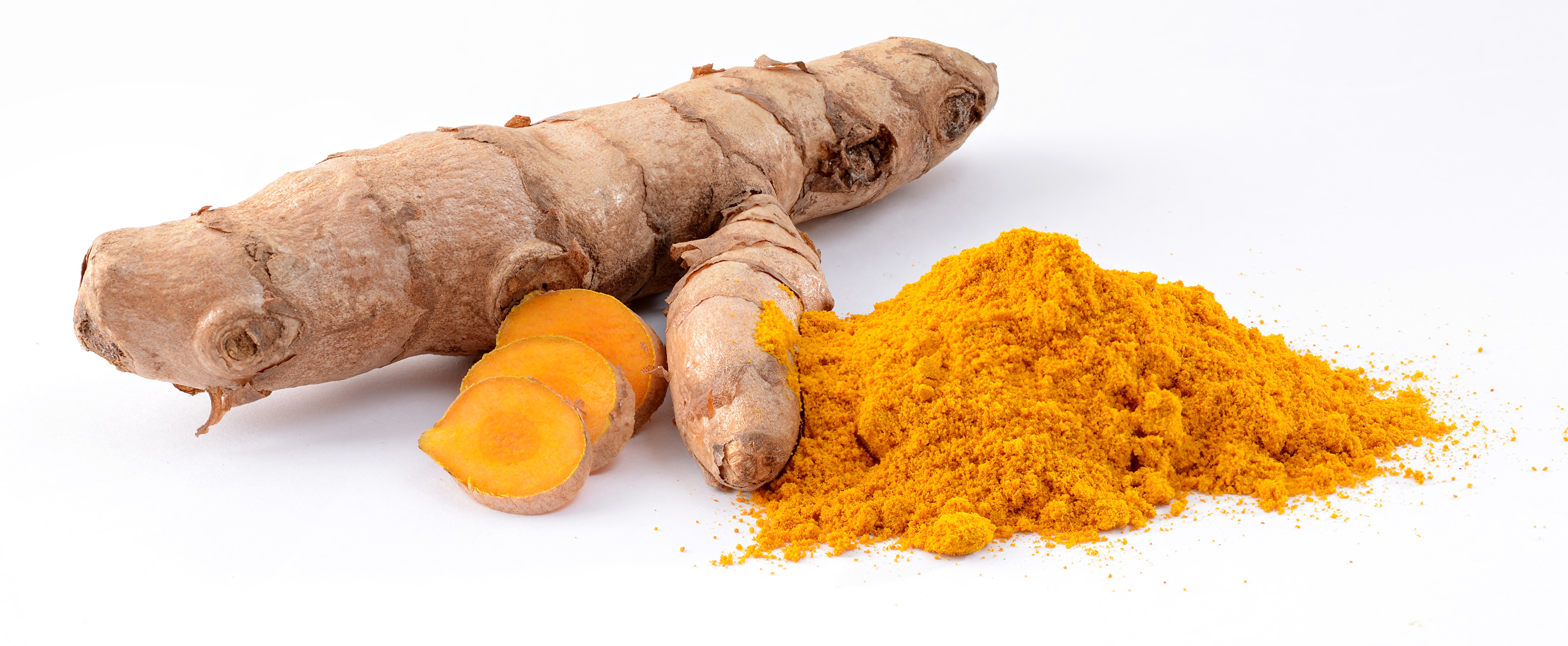
A golden culinary rhizome with deep South Asian food and ceremonial histories, uncertain clinical benefit, and a safety line between modest spice use and concentrated or absorption-enhanced supplements.
Being Tea Co provides education, not medical advice, treatment, or positive plant identification. Natural does not mean risk-free. Never ingest a wild plant or fungus from a photograph, app result, common name, or this website alone.
Herbs can cause allergic reactions and interact with medicines. Pregnancy, breastfeeding, childhood, surgery, seizure history, kidney or liver conditions, and other health factors can change what is appropriate. Ask a qualified clinician or pharmacist about your own situation.
At a glance
| Scientific name | Curcuma longa L. |
|---|---|
| Exact part | Food-grade fresh or dried rhizome |
| Safety class | Starter kitchen · food amount only |
| Source | Fresh grocery rhizome or single-ingredient culinary powder |
| Season | Purchased year-round; a tropical crop rather than a northern wild forage |
| Broad region | A South Asian cultigen now grown throughout the tropics and in warm protected cultivation |
Research lead—not positive identification or permission to harvest.
Identity
- Use a product labeled Curcuma longa or a food-grade grocery rhizome; related Curcuma species and ornamental gingers are not substitutes.
- A sound fresh rhizome is firm, strongly yellow-orange when cut, and free from slime, deep decay, and mold.
- Culinary ground turmeric should list turmeric as the ingredient. Avoid an unlabeled powder, “proprietary blend,” or product that does not disclose added black pepper extract or piperine.
- The rhizome is an underground stem, not a true root. Leaves, flowers, essential oil, isolated curcumin, and enhanced-bioavailability extracts are outside this kitchen profile.
Lookalikes and exclusions
Many ginger-family rhizomes and dried yellow powders look similar after processing. Color is not identity, and a garden ornamental should never enter a cup because its rhizome resembles turmeric.
Do not proceed if
- The scientific name, exact plant part, or maturity stage is uncertain.
- A dangerous or confusing lookalike has not been ruled out with current regional sources.
- The landowner or land manager has not expressly allowed collection.
- The population is sparse, protected, stressed, culturally sensitive, or needed by wildlife.
- Road runoff, spraying, industrial history, pet waste, polluted water, mold, or other contamination is possible.
- Your allergy, pregnancy, breastfeeding, childhood, surgery, health-condition, or medication questions have not been resolved.
Where and when
Use a grocery or traceable spice supplier. Turmeric is not known as a truly wild plant and requires sustained warmth; in cool climates it can be grown in a container, but a labeled start and food-safe growing practices remain essential.
Harvest ethics
Buy only what can be used while fresh and store powder away from heat, light, and moisture. When discussing Ayurveda, Siddha, Unani, or religious use, identify the tradition and source rather than treating South Asian knowledge as generic wellness décor.
Culinary and traditional context
Turmeric is a staple spice and has long histories in South Asian medicine, ceremony, dyeing, and domestic life. Tradition establishes cultural meaning and continuity; it does not prove that a watery kitchen infusion treats inflammation, arthritis, liver disease, or another condition.
What the research can—and cannot—say
NCCIH concludes that evidence is not sufficient to determine whether turmeric or curcumin benefits any health condition. Some osteoarthritis research is initially positive, but studies frequently test concentrated, formulated extracts—not a home infusion. Turmeric’s poor water solubility and the wide variation among products make direct translation especially unreliable.
Side effects and interactions
- Nausea, reflux, stomach upset, diarrhea, constipation, or skin allergy can occur.
- Do not use medicinal turmeric with bile-duct obstruction, cholangitis, gallstones, other biliary disease, or liver disease without clinical guidance; the EMA monograph advises against those uses.
- Turmeric and curcumin supplements—especially some enhanced-bioavailability products—have been linked to clinically apparent liver injury. Stop a supplement and seek care for dark urine, jaundice, unusual fatigue, nausea, or poor appetite.
- Do not add piperine or black-pepper extract as a “bioavailability hack.” Concentrated turmeric-piperine products appear in liver-injury reports and are not equivalent to seasoning food.
- Turmeric supplements may be unsafe in pregnancy, and safety above ordinary food amounts during breastfeeding is unknown. Discuss regular medicinal use with the relevant clinician.
- Anyone taking medicines, particularly before surgery or while managing a liver, gallbladder, or bleeding condition, should have concentrated or repeated medicinal use reviewed by a pharmacist or clinician.
Preparation
House cup: add two or three thin slices of washed fresh rhizome—or no more than 1/4 teaspoon culinary powder—to about 300 mL water. Simmer gently for 5–8 minutes, stir, then strain through a fine filter. Treat it as a lightly spiced food drink; do not add purified curcumin, essential oil, or piperine.
Kitchen ritual & folklore
Golden color can support a personal practice of warmth, attention, or tending the kitchen. Credit any borrowed ceremonial association accurately, and do not translate symbolic purification into a “detox” or liver-treatment claim.
Folklore and personal ritual are presented as cultural or reflective practices. They are not evidence that an ingredient changes physiology, treats illness, predicts events, or is safe for a particular person.
Sources and review
- NCCIH: Turmeric Usefulness and Safety
- European Medicines Agency: Curcuma longa Rhizome Monograph
- Kew Plants of the World Online: Curcuma longa
- NIH LiverTox: Turmeric
- PubMed: Ten Turmeric Liver-Injury Cases from DILIN
Editorial safety review: July 29, 2026. Re-check linked sources, local rules, and product labels before use; evidence and regulations change.
 Being Tea Co
