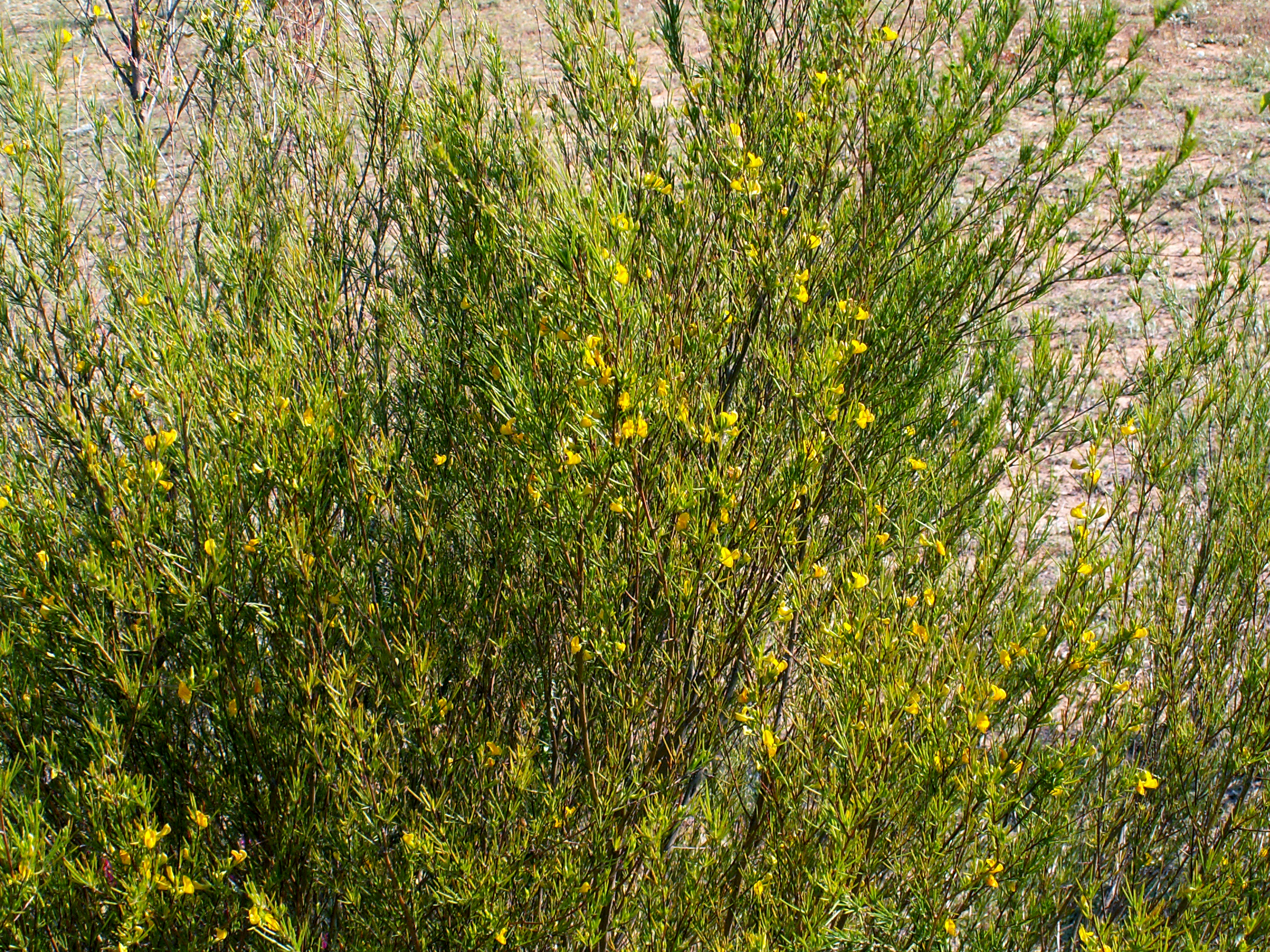
A South African herbal infusion valued for flavor and a naturally caffeine-free cup, while small human studies, laboratory interaction signals, and rare liver reports argue against turning it into a treatment or extract regimen.
Being Tea Co provides education, not medical advice, treatment, or positive plant identification. Natural does not mean risk-free. Never ingest a wild plant or fungus from a photograph, app result, common name, or this website alone.
Herbs can cause allergic reactions and interact with medicines. Pregnancy, breastfeeding, childhood, surgery, seizure history, kidney or liver conditions, and other health factors can change what is appropriate. Ask a qualified clinician or pharmacist about your own situation.
At a glance
| Scientific name | Aspalathus linearis (Burm.f.) R.Dahlgren |
|---|---|
| Exact part | Chopped, dried leaves and young stems, usually oxidized or “fermented” |
| Safety class | Grocery infusion · evidence-limited wellness claims |
| Source | Traceable single-ingredient rooibos from a reputable tea supplier |
| Season | Commercial product year-round; cultivated crop harvested in South Africa |
| Broad region | Native to South Africa’s Cape Provinces and cultivated principally in its western production region |
Research lead—not positive identification or permission to harvest.
Identity
- Rooibos is Aspalathus linearis, a South African legume; it is not true tea from Camellia sinensis.
- Traditional red rooibos uses chopped leaves and young stems that have undergone an oxidation process often called fermentation; green rooibos is processed differently.
- This profile covers an ordinary single-ingredient infusion, not an aspalathin-enriched extract, capsule, tincture, or multi-herb “red tea” blend.
- A useful label names rooibos or A. linearis, ingredients, origin, lot or producer, and any added flavors; loose red-brown needles alone cannot authenticate a product.
Lookalikes and exclusions
“Red tea” is an ambiguous marketing term, and honeybush comes from Cyclopia species. Flavored rooibos may add chamomile, citrus peel, licorice, or other ingredients with their own allergy and interaction profiles. This imported crop should not be sought as a North American wild plant.
Do not proceed if
- The scientific name, exact plant part, or maturity stage is uncertain.
- A dangerous or confusing lookalike has not been ruled out with current regional sources.
- The landowner or land manager has not expressly allowed collection.
- The population is sparse, protected, stressed, culturally sensitive, or needed by wildlife.
- Road runoff, spraying, industrial history, pet waste, polluted water, mold, or other contamination is possible.
- Your allergy, pregnancy, breastfeeding, childhood, surgery, health-condition, or medication questions have not been resolved.
Where and when
Buy a traceable food-grade rooibos product. Do not purchase anonymous powders or concentrated “antioxidant” extracts, and do not infer that a blend has rooibos-only safety.
Harvest ethics
Rooibos is inseparable from its South African place and agricultural supply chain. Prefer suppliers that name origin and producers and publish verifiable labor, land, and benefit-sharing practices rather than using generic wellness imagery that erases provenance.
Culinary and traditional context
Rooibos is a South African beverage with regional and community history. Tell that history with geographic specificity and sourced attribution; global popularity does not turn it into a generic ancient cure.
What the research can—and cannot—say
Human evidence remains small. A sequential study in 40 adults used six cups daily for six weeks and reported changes in lipid and oxidative-stress markers, while a 12-person crossover study found no significant rise in plasma antioxidant capacity. Neither establishes prevention or treatment of cardiovascular disease. A 2024 scoping review called for larger dose-response trials.
Side effects and interactions
- Rare case reports associate heavy or sustained rooibos use—sometimes in blends—with liver injury. Stop and seek medical care for jaundice, dark urine, severe itching, or persistent upper-abdominal symptoms.
- Laboratory studies show rooibos extracts can affect CYP enzymes that metabolize some medicines, but clinical relevance for an ordinary cup is not established. Discuss high intake or extracts with a pharmacist, especially with narrow-therapeutic-index drugs.
- Pregnancy, breastfeeding, and regular use in young children have not been adequately studied; ask the relevant clinician instead of treating caffeine-free as a complete safety assessment.
- Added herbs, flavorings, sweeteners, and contaminants can change the risk profile; read the whole ingredient list.
- Concentrated green-rooibos or aspalathin products are not equivalent to a brewed grocery infusion.
Preparation
Prepare one food-style cup from one tea bag or the supplier’s stated loose-leaf serving in freshly boiled water for about 5–7 minutes, then strain. Drink it for taste, not as an antioxidant, cholesterol, glucose, liver, or heart treatment. No six-cup research regimen, extract dose, or therapeutic course is recommended.
Kitchen ritual & folklore
Its rust-red color can anchor an evening pause without caffeine. The ritual is attention to aroma and warmth, not a promise to detoxify, protect the heart, or change laboratory values.
Folklore and personal ritual are presented as cultural or reflective practices. They are not evidence that an ingredient changes physiology, treats illness, predicts events, or is safe for a particular person.
Sources and review
- Royal Botanic Gardens, Kew: Aspalathus linearis
- PubMed: Human Rooibos Lipid and Oxidative-Stress Study
- PubMed: Human Rooibos Bioavailability Crossover Study
- PubMed: Possible Rooibos-Associated Liver Injury
- PubMed: Rooibos Extract and CYP Interaction Study
- PubMed: 2024 Scoping Review of Human Rooibos Evidence
Editorial safety review: July 29, 2026. Re-check linked sources, local rules, and product labels before use; evidence and regulations change.
 Being Tea Co
PICT2813.JPG)