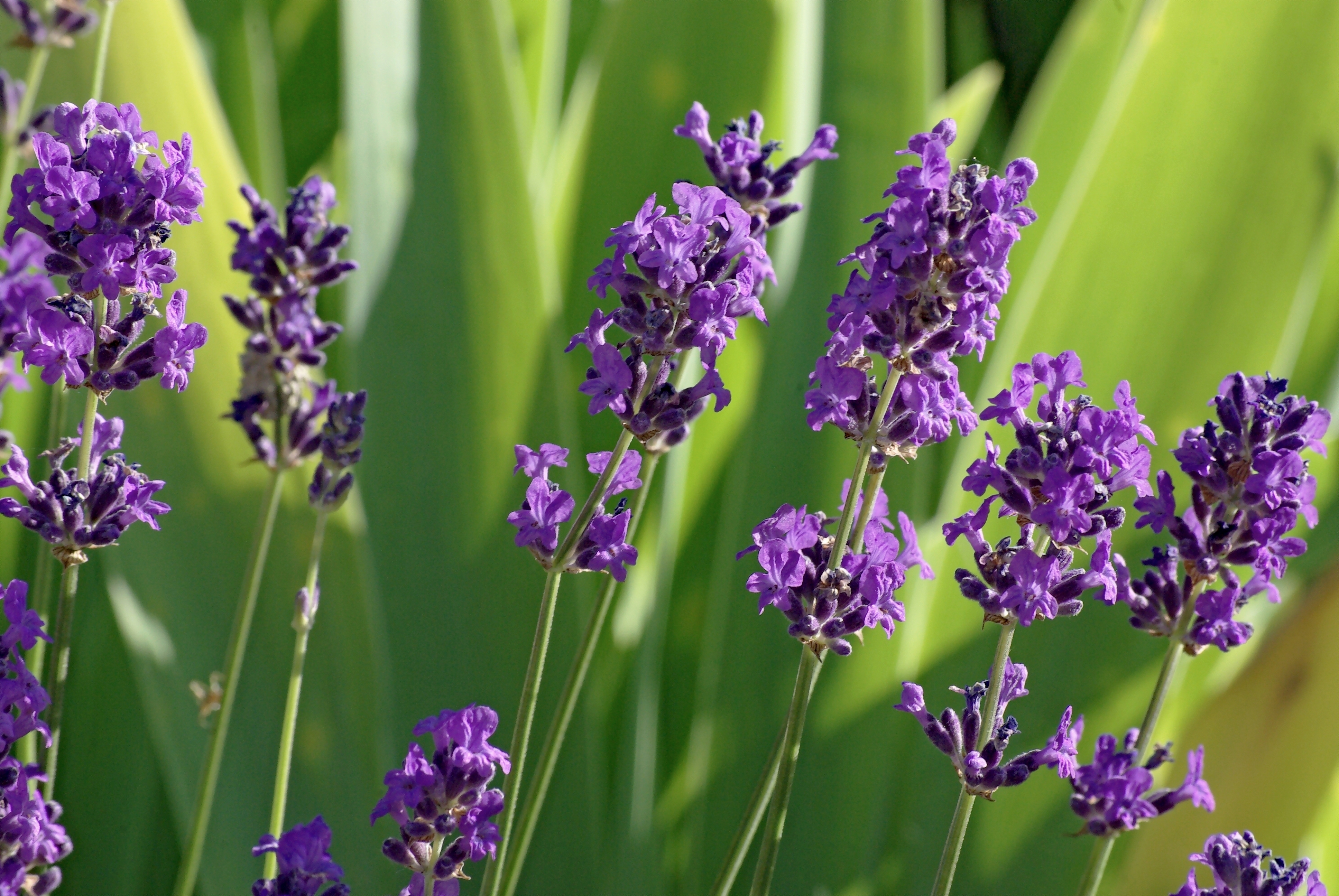
A highly aromatic flower best used as a measured culinary accent, with preliminary calming research that mostly concerns standardized oil products rather than a pale household infusion.
Being Tea Co provides education, not medical advice, treatment, or positive plant identification. Natural does not mean risk-free. Never ingest a wild plant or fungus from a photograph, app result, common name, or this website alone.
Herbs can cause allergic reactions and interact with medicines. Pregnancy, breastfeeding, childhood, surgery, seizure history, kidney or liver conditions, and other health factors can change what is appropriate. Ask a qualified clinician or pharmacist about your own situation.
At a glance
| Scientific name | Lavandula angustifolia Mill. |
|---|---|
| Exact part | Food-grade dried flower or flower bud |
| Safety class | Kitchen accent · very small amount |
| Source | Single-ingredient culinary lavender labeled with the species |
| Season | Garden flowers in summer; food-grade dried flowers year-round |
| Broad region | Native from northeastern Spain to Italy and cultivated in temperate gardens worldwide |
Research lead—not positive identification or permission to harvest.
Identity
- The package or plant label should state Lavandula angustifolia (English or common lavender).
- Use flowers or flower buds sold specifically for food. Potpourri, florist stems, fragrance sachets, and landscape clippings may contain pesticides, fragrance oils, or the wrong species.
- English lavender has narrow entire leaves and flower spikes made of small two-lipped flowers; a species label still matters because lavandin and other lavenders differ.
- Essential oil, oral oil capsules, tincture, and culinary flowers are distinct preparations and cannot be substituted measure for measure.
Lookalikes and exclusions
Lavandin hybrids, spike lavender, Spanish lavender, Russian sage, and purple ornamental spikes are not automatically culinary L. angustifolia. Purple color and lavender scent do not establish a food-safe ingredient.
Do not proceed if
- The scientific name, exact plant part, or maturity stage is uncertain.
- A dangerous or confusing lookalike has not been ruled out with current regional sources.
- The landowner or land manager has not expressly allowed collection.
- The population is sparse, protected, stressed, culturally sensitive, or needed by wildlife.
- Road runoff, spraying, industrial history, pet waste, polluted water, mold, or other contamination is possible.
- Your allergy, pregnancy, breastfeeding, childhood, surgery, health-condition, or medication questions have not been resolved.
Where and when
Buy culinary lavender from a food supplier or grow a labeled plant without systemic pesticides. This is not a roadside, florist, or public-land harvest profile.
Harvest ethics
Take only a small portion of garden flower spikes and leave the majority for bees and seed. A very small amount flavors a cup; overharvesting and oversized servings are unnecessary.
Culinary and traditional context
Lavender has Mediterranean and European histories in bathing, scent, household care, and traditional calming preparations. Kitchen-witchcraft associations with rest, cleansing, or devotion are cultural and symbolic—not evidence of a pharmacologic outcome.
What the research can—and cannot—say
NCCIH describes the evidence as preliminary and limited. Better-known oral anxiety trials studied a proprietary standardized lavender essential-oil capsule, while other studies use aromatherapy or extracts. Those findings cannot be converted into a claim that a flower infusion treats anxiety, depression, or insomnia.
Side effects and interactions
- Lavender may cause drowsiness. There are theoretical concerns about combining it with sedative medicines or herbs, especially before surgery; ask a clinician or pharmacist and do not drive if affected.
- Pregnancy and breastfeeding safety is not established. Avoid medicinal or repeated use unless the relevant clinician approves it.
- Oral products can cause nausea, diarrhea, headache, or burping, and topical exposure can cause allergy. Stop for rash, swelling, breathing difficulty, or marked symptoms.
- Do not swallow lavender essential oil or improvise an oral dose from an aromatherapy bottle.
- Children should not receive a medicinal-strength preparation based on this page; food garnish and herbal-medicine exposure are different questions.
Preparation
House cup: start with only 1/4 teaspoon food-grade L. angustifolia flowers in 300 mL just-boiled water, cover for 3–5 minutes, and strain. Lavender becomes bitter or perfumelike quickly; dilute or discard an overpowering cup. Do not add essential oil.
Kitchen ritual & folklore
Count the small pinch, notice how far its aroma travels, and let restraint be part of the practice. Any association with peace, dreams, or cleansing belongs in a clearly labeled folklore or personal-reflection section.
Folklore and personal ritual are presented as cultural or reflective practices. They are not evidence that an ingredient changes physiology, treats illness, predicts events, or is safe for a particular person.
Sources and review
- NCCIH: Lavender Usefulness and Safety
- European Medicines Agency: Lavender Flower Monograph
- European Medicines Agency: Final Lavender Flower Monograph
- Kew Plants of the World Online: Lavandula angustifolia
- PubMed: Randomized Placebo-Controlled Standardized Lavender-Oil Trial
- PubMed: Systematic Review and Meta-Analysis of Lavender for Anxiety
Editorial safety review: July 29, 2026. Re-check linked sources, local rules, and product labels before use; evidence and regulations change.
 Being Tea Co
