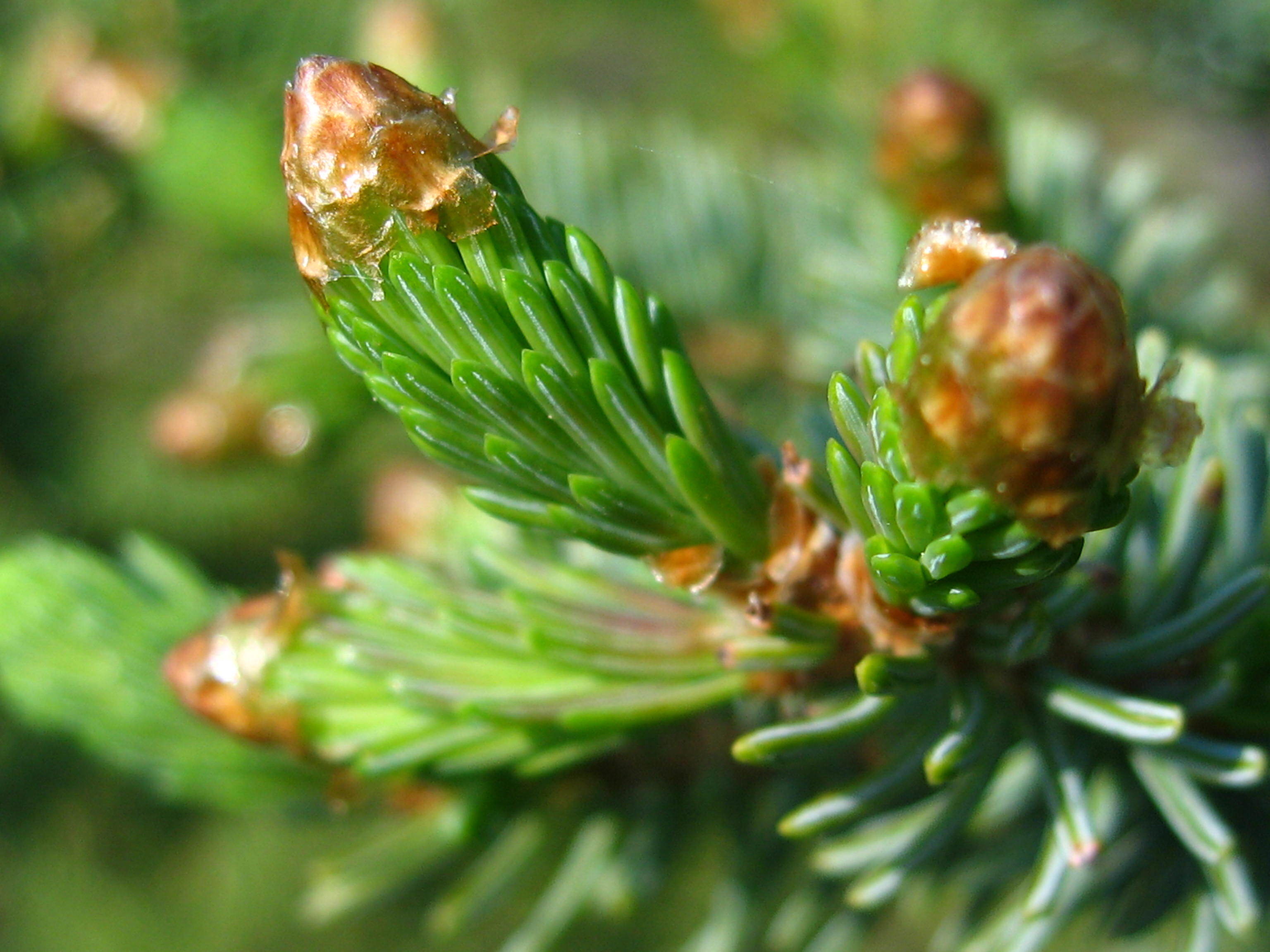
A resinous northern research lead that requires in-person tree identification, land permission, and restraint. This starter page intentionally gives no recipe.
Being Tea Co provides education, not medical advice, treatment, or positive plant identification. Natural does not mean risk-free. Never ingest a wild plant or fungus from a photograph, app result, common name, or this website alone.
Herbs can cause allergic reactions and interact with medicines. Pregnancy, breastfeeding, childhood, surgery, seizure history, kidney or liver conditions, and other health factors can change what is appropriate. Ask a qualified clinician or pharmacist about your own situation.
At a glance
| Scientific name | Picea glauca |
|---|---|
| Exact part | Tender new lateral tips after budbreak |
| Safety class | Mentor-first · field identification required |
| Source | Observe locally; do not self-harvest as a beginner |
| Season | Spring phenophase: papery cap shedding from tender new tips |
| Broad region | Boreal Alaska and Canada, Great Lakes and Northeast, with scattered northern Rocky Mountain populations |
Research lead—not positive identification or permission to harvest.
Identity
- White spruce has individual, sharply pointed needles that are four-sided in cross-section and attached singly.
- New growth appears as tender light-green tips after budbreak; exact timing shifts with latitude, elevation, and weather.
- Confirm the whole living tree with current regional keys and a knowledgeable local person—not a close-up image alone.
Lookalikes and exclusions
Deadly yew can be brewed by mistake, and broad “evergreen tea” advice is unsafe. Fir, hemlock, pine, ornamental conifers, and different spruce species are not interchangeable.
Do not proceed if
- The scientific name, exact plant part, or maturity stage is uncertain.
- A dangerous or confusing lookalike has not been ruled out with current regional sources.
- The landowner or land manager has not expressly allowed collection.
- The population is sparse, protected, stressed, culturally sensitive, or needed by wildlife.
- Road runoff, spraying, industrial history, pet waste, polluted water, mold, or other contamination is possible.
- Your allergy, pregnancy, breastfeeding, childhood, surgery, health-condition, or medication questions have not been resolved.
Where and when
Treat range descriptions as a screening clue, not proof that the tree in front of you is Picea glauca. Check current local botany resources and the exact parcel’s rules.
Harvest ethics
If a qualified mentor and land manager approve harvest, never take the terminal leader. Take only a few lateral tips across many abundant trees, and stop where browsing, disease, rarity, or cultural sensitivity makes collection inappropriate.
Culinary and traditional context
Northern communities have documented spruce foods and beverages. Cite the particular community or official source rather than presenting one universal Indigenous tradition.
What the research can—and cannot—say
This page describes culinary and cultural context, not a dependable vitamin dose or a treatment. Chemistry varies by species, plant part, season, preparation, and storage.
Side effects and interactions
- Do not proceed during pregnancy or with a health condition or medicine question without professional guidance.
- Do not use if the exact species and part are uncertain.
- Do not use material from sprayed ornamentals, roadsides, industrial sites, or contaminated ground.
Preparation
No beginner recipe is published here. Learn the living tree in person, confirm the exact species and parcel permission, and use a locally reviewed food preparation before considering a cup.
Kitchen ritual & folklore
A spring tip can symbolize renewal, but observation without harvest is a complete practice. A photograph, sketch, or quiet cup of purchased spruce is often the better ritual.
Folklore and personal ritual are presented as cultural or reflective practices. They are not evidence that an ingredient changes physiology, treats illness, predicts events, or is safe for a particular person.
Sources and review
- US Forest Service: White Spruce Range and Ecology
- Minnesota DNR: White Spruce Identification
- Northwest Territories: Picea glauca Traditional Uses
- Poison Control: Yew Poisoning
Editorial safety review: July 29, 2026. Re-check linked sources, local rules, and product labels before use; evidence and regulations change.
 Being Tea Co
.jpg)