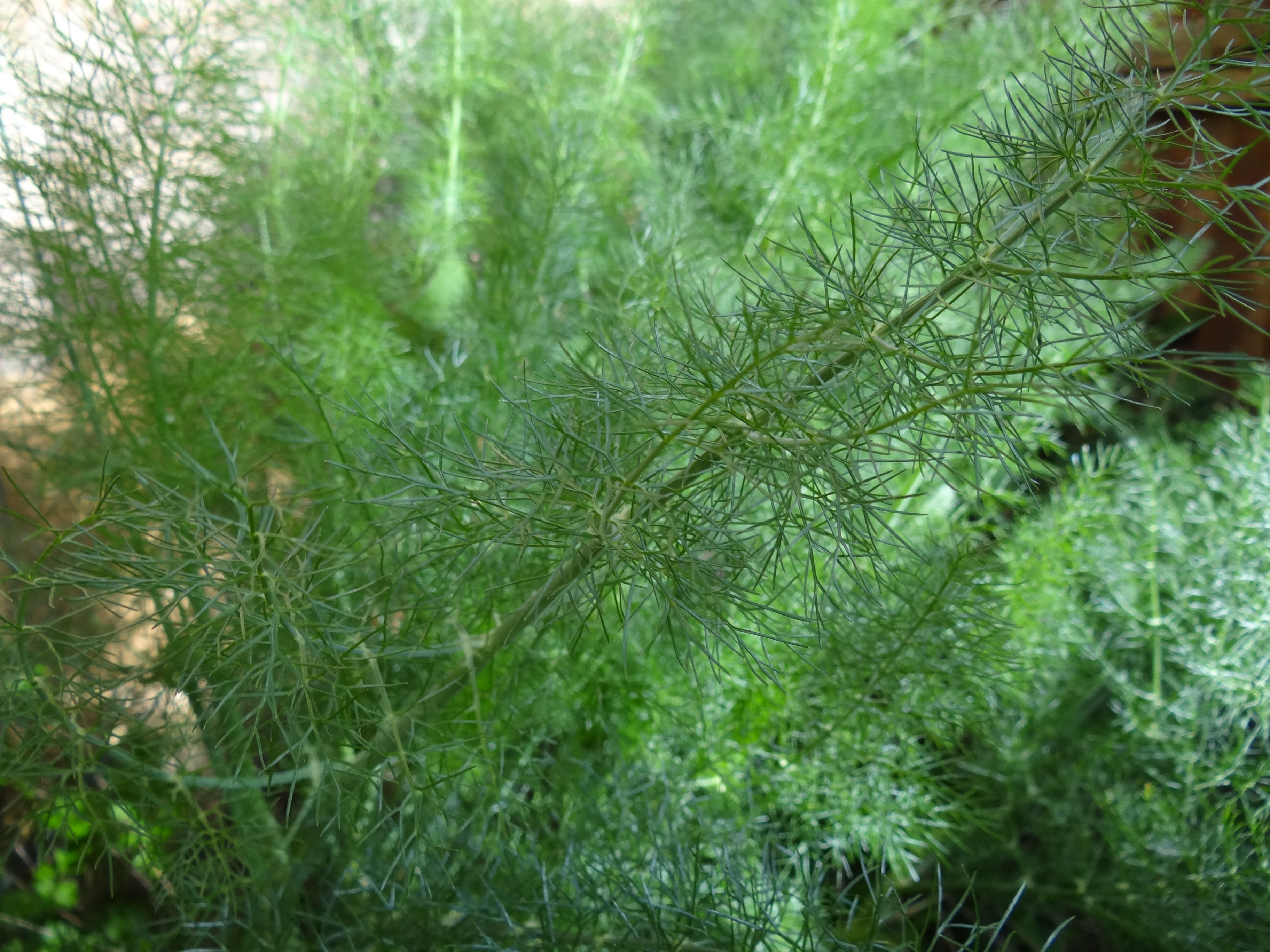
A sweet anise-scented kitchen fruit kept to occasional adult use because traditional-use evidence is limited and current authorities flag allergy and estragole concerns, especially for vulnerable groups.
Being Tea Co provides education, not medical advice, treatment, or positive plant identification. Natural does not mean risk-free. Never ingest a wild plant or fungus from a photograph, app result, common name, or this website alone.
Herbs can cause allergic reactions and interact with medicines. Pregnancy, breastfeeding, childhood, surgery, seizure history, kidney or liver conditions, and other health factors can change what is appropriate. Ask a qualified clinician or pharmacist about your own situation.
At a glance
| Scientific name | Foeniculum vulgare Mill. subsp. vulgare var. dulce (Mill.) Batt. & Trab. |
|---|---|
| Exact part | Dried ripe fruit, commonly sold as “fennel seed” |
| Safety class | Adult occasional use · no infant, child, pregnancy, or lactation tea |
| Source | Sealed single-ingredient sweet-fennel fruit with species and part named |
| Season | Commercial spice year-round; fruit matures in late summer to autumn |
| Broad region | The species is native from the Mediterranean region to Ethiopia and western Nepal and is cultivated widely |
Research lead—not positive identification or permission to harvest.
Identity
- The small item sold as fennel “seed” is botanically a dried fruit; this profile concerns the sweet-fennel variety named above.
- The bulb, fresh leaves, pollen, bitter-fennel fruit, tincture, extract, and essential oil are different materials and are excluded.
- Packaged fruit is oblong, ridged, and greenish to brown, but visual traits do not reveal variety, estragole content, contamination, or storage history.
- Use a sealed food or herbal-tea product that identifies fennel and the plant part; avoid anonymous bulk-bin material and medicinal blends with undisclosed amounts.
Lookalikes and exclusions
Anise, caraway, dill, and cumin are different spices. Wild members of the carrot family include dangerously poisonous plants, so a purchased kitchen profile must never be treated as a field-identification guide or permission to collect wild umbels or fruits.
Do not proceed if
- The scientific name, exact plant part, or maturity stage is uncertain.
- A dangerous or confusing lookalike has not been ruled out with current regional sources.
- The landowner or land manager has not expressly allowed collection.
- The population is sparse, protected, stressed, culturally sensitive, or needed by wildlife.
- Road runoff, spraying, industrial history, pet waste, polluted water, mold, or other contamination is possible.
- Your allergy, pregnancy, breastfeeding, childhood, surgery, health-condition, or medication questions have not been resolved.
Where and when
Use a traceable packaged product, not a roadside, garden-escape, or wild carrot-family plant. A manufacturer’s label is still not a guarantee of therapeutic benefit, but it reduces the much larger risk of field substitution.
Harvest ethics
Buy only the amount likely to be used while aromatic and store it sealed away from heat and moisture. Do not encourage wild collection; the safety cost of an Apiaceae identification error is disproportionate to the value of a cup.
Culinary and traditional context
Fennel fruit has culinary and traditional-medicine histories in Europe, the Mediterranean, western Asia, and elsewhere. EMA’s recognized uses are based largely on long-standing traditional use, not strong proof that a home infusion treats digestive, menstrual, or respiratory symptoms.
What the research can—and cannot—say
Small trials and meta-analyses have reported reduced menstrual pain with fennel extracts, but products, doses, comparison groups, and study quality vary; a spice infusion is not the tested extract. EMA describes sweet-fennel fruit uses as traditional. Separately, EFSA’s 2025 draft risk assessment could not establish a safe estragole exposure level and highlighted greater concern for babies, young children, fetuses, and breastfed infants.
Side effects and interactions
- Do not use with a known allergy to fennel, anethole, mugwort pollen, or related Apiaceae foods such as celery, coriander, dill, anise, or caraway; skin and respiratory reactions are reported.
- Do not serve fennel-fruit infusions to infants or children. Product marketing for colic does not establish safety.
- Avoid during pregnancy and breastfeeding: EMA cites inadequate safety data, and EFSA identifies fetuses and breastfed infants as vulnerable to estragole exposure.
- Estragole content varies by plant material and preparation; “natural,” organic, or homemade does not establish a safe concentration.
- Essential oil and concentrated extracts create different exposure and are excluded from this food-style profile.
Preparation
For a nonpregnant adult who chooses an occasional food-style cup, use one sealed single-serve product exactly as its label directs, or only a small culinary pinch of packaged fruit in a blended pot, then strain. Do not turn it into a daily regimen. No infant preparation, child dose, medicinal course, tincture, concentrated extract, or essential-oil recipe is published.
Kitchen ritual & folklore
The sweet scent can mark digestion in the ordinary sense of slowing down after a meal. It is not evidence that the cup treats cramps, colic, cough, or a gastrointestinal disorder.
Folklore and personal ritual are presented as cultural or reflective practices. They are not evidence that an ingredient changes physiology, treats illness, predicts events, or is safe for a particular person.
Sources and review
- European Medicines Agency: Sweet Fennel Fruit
- European Food Safety Authority: Draft Estragole Risk Findings
- European Union: 2026 Sweet-Fennel Traditional-Medicine Decision
- Royal Botanic Gardens, Kew: Foeniculum vulgare
- PubMed: Systematic Review of Fennel for Menstrual Pain
Editorial safety review: July 29, 2026. Re-check linked sources, local rules, and product labels before use; evidence and regulations change.
 Being Tea Co
