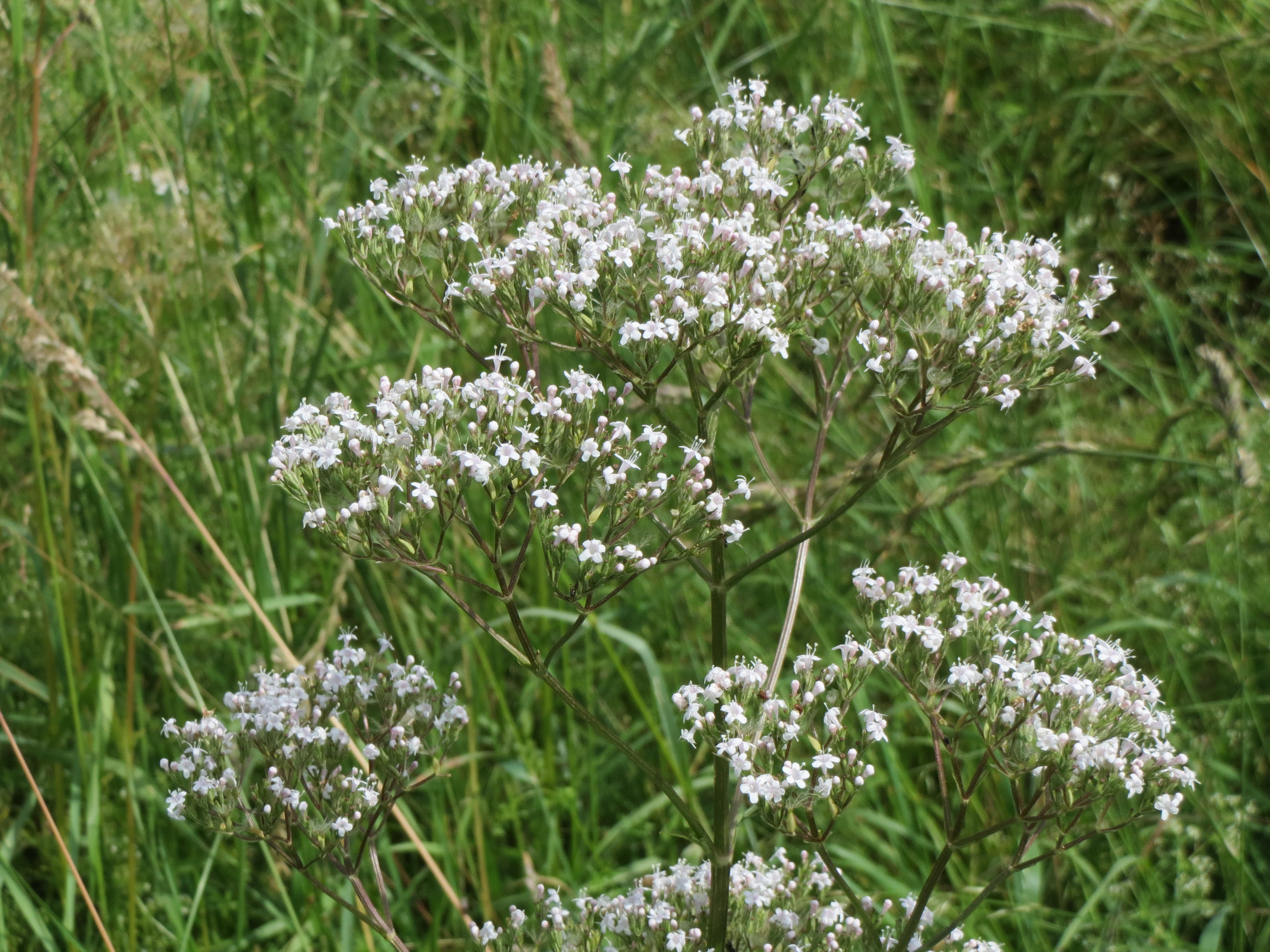
A pungent medicinal root with inconsistent sleep evidence and meaningful sedation, driving, pregnancy, alcohol, and long-term-use cautions.
Being Tea Co provides education, not medical advice, treatment, or positive plant identification. Natural does not mean risk-free. Never ingest a wild plant or fungus from a photograph, app result, common name, or this website alone.
Herbs can cause allergic reactions and interact with medicines. Pregnancy, breastfeeding, childhood, surgery, seizure history, kidney or liver conditions, and other health factors can change what is appropriate. Ask a qualified clinician or pharmacist about your own situation.
At a glance
| Scientific name | Valeriana officinalis L. |
|---|---|
| Exact part | Dried root and rhizome; aerial parts and essential oil excluded |
| Safety class | Purchased adult product · sedating-use precautions |
| Source | Single-ingredient valerian-root product with directions and lot identity |
| Season | Commercial product year-round; roots are generally lifted after the growing season |
| Broad region | Native from Europe to northwestern Iran and introduced in parts of North America |
Research lead—not positive identification or permission to harvest.
Identity
- This profile concerns the underground root and rhizome of Valeriana officinalis, not the flowers, leaves, essential oil, or another Valeriana species.
- Dried valerian root has a strong, distinctive earthy odor, but smell cannot confirm species, quality, dose, or freedom from contamination.
- Tea cut, powder, tincture, and standardized ethanolic extract are not equivalent; positive findings for one preparation do not automatically apply to another.
- Use only a sealed product that names V. officinalis, root or rhizome, preparation, amount, directions, and all added sedating herbs.
Lookalikes and exclusions
Many valerian species and unrelated plants share white or pink flower clusters, and commercial sleep blends may include hops, passionflower, melatonin, or antihistamine-like ingredients. Do not wild-harvest from appearance, and do not attribute a blend’s effect or risk to valerian alone.
Do not proceed if
- The scientific name, exact plant part, or maturity stage is uncertain.
- A dangerous or confusing lookalike has not been ruled out with current regional sources.
- The landowner or land manager has not expressly allowed collection.
- The population is sparse, protected, stressed, culturally sensitive, or needed by wildlife.
- Road runoff, spraying, industrial history, pet waste, polluted water, mold, or other contamination is possible.
- Your allergy, pregnancy, breastfeeding, childhood, surgery, health-condition, or medication questions have not been resolved.
Where and when
Purchase a labeled product rather than digging a plant. Wild root collection destroys the individual, and the introduced plant’s presence in North America does not establish identity, permission, or medicinal quality.
Harvest ethics
Choose cultivated or transparently sourced root and avoid products that hide amounts in a proprietary sleep blend. Root use should carry a higher sourcing bar because harvest kills or severely damages the plant.
Culinary and traditional context
Valerian has a long European history for sleep and nervous tension. That history supports cultural context and, for specific regulated products, traditional-use conclusions; it does not prove that every tea bag treats chronic insomnia.
What the research can—and cannot—say
NCCIH finds the sleep evidence inconsistent and notes that a clinical guideline recommends against valerian for chronic insomnia. EMA distinguishes a specific ethanolic dry extract with clinical support from other preparations recognized only through traditional use. Trials also conflict: a 405-person placebo-controlled study found at most modest benefit, while a small trial in older women found no objective or subjective sleep improvement.
Side effects and interactions
- Do not combine valerian with alcohol, sleep medicines, benzodiazepines, opioids, sedating antihistamines, cannabis, or other sedative herbs unless a clinician has reviewed the combination.
- It may impair alertness: do not drive, operate machinery, supervise a hazardous task, or mix a first use with another sedating substance.
- Avoid during pregnancy and breastfeeding and do not give to children under 12; EMA specifically excludes these uses.
- Possible effects include headache, stomach upset, nausea, abdominal cramps, mental dullness, uneasiness, vivid dreams, or paradoxical excitement.
- Long-term safety is unknown. Abrupt stopping after chronic heavy use has produced withdrawal symptoms, and rare liver injury reports warrant stopping for jaundice, dark urine, or severe persistent symptoms.
- Tell the surgical or anesthesia team about valerian and all other supplements before a procedure.
Preparation
A healthy, nonpregnant adult who chooses valerian may prepare only the single-ingredient tea exactly as its label directs, at home when no driving or safety-critical work remains. Do not improvise a stronger decoction or combine it with alcohol or another sedative. Persistent sleep trouble beyond two weeks deserves clinical assessment rather than escalating the cup.
Kitchen ritual & folklore
A strong root aroma can mark the boundary between activity and rest. Pair the moment with dim light and a consistent bedtime; do not frame drowsiness as proof that chronic insomnia has been treated.
Folklore and personal ritual are presented as cultural or reflective practices. They are not evidence that an ingredient changes physiology, treats illness, predicts events, or is safe for a particular person.
Sources and review
- NCCIH: Valerian Usefulness and Safety
- European Medicines Agency: Valerian Root
- Royal Botanic Gardens, Kew: Valeriana officinalis
- PubMed: 405-Participant Randomized Valerian Trial
- PubMed: Randomized Valerian Trial in Older Women
Editorial safety review: July 29, 2026. Re-check linked sources, local rules, and product labels before use; evidence and regulations change.
 Being Tea Co
