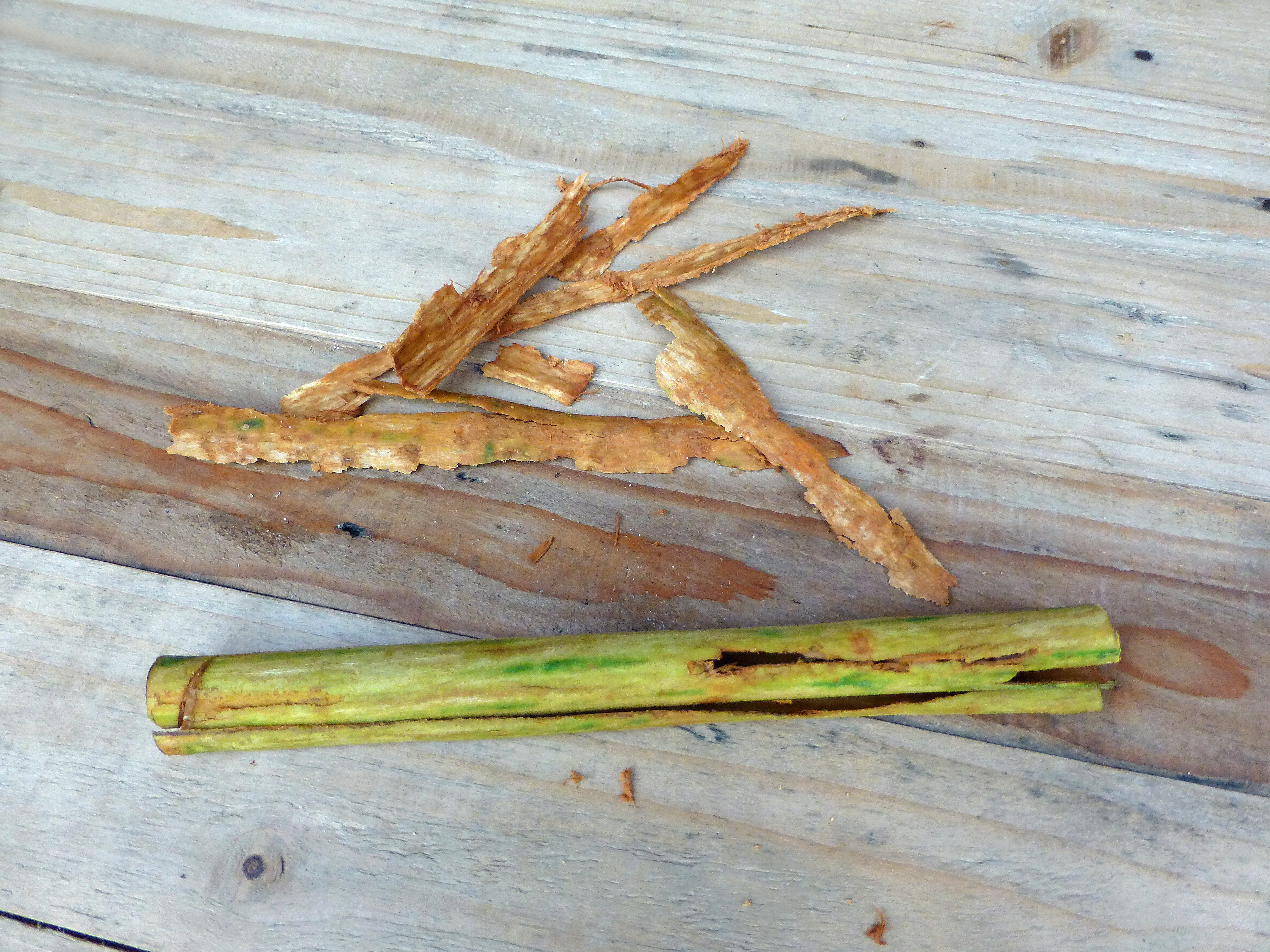
A fragrant bark for an occasional culinary cup, with a species label that matters because Ceylon and cassia cinnamons differ in coumarin content and cannot share one evidence claim.
Being Tea Co provides education, not medical advice, treatment, or positive plant identification. Natural does not mean risk-free. Never ingest a wild plant or fungus from a photograph, app result, common name, or this website alone.
Herbs can cause allergic reactions and interact with medicines. Pregnancy, breastfeeding, childhood, surgery, seizure history, kidney or liver conditions, and other health factors can change what is appropriate. Ask a qualified clinician or pharmacist about your own situation.
At a glance
| Scientific name | Cinnamomum verum J.Presl |
|---|---|
| Exact part | Dried inner bark; Ceylon cinnamon only for this profile |
| Safety class | Grocery spice · occasional food use |
| Source | Single-ingredient product that names Cinnamomum verum and bark |
| Season | Commercial spice year-round; bark-harvest timing varies by producer |
| Broad region | Native to Sri Lanka and cultivated in other tropical regions |
Research lead—not positive identification or permission to harvest.
Identity
- This profile concerns Cinnamomum verum—also called Cinnamomum zeylanicum—not every product sold simply as cinnamon.
- The usable material is dried inner bark. Leaf, root, essential oil, concentrated extract, and an unidentified mixed-species powder are excluded.
- A responsible label names the Latin species and plant part; country of origin or the word “Ceylon” alone is weaker evidence.
- Thin, papery, many-layered quills can support a label check, but appearance cannot authenticate ground spice or establish its chemistry.
Lookalikes and exclusions
Cassia products—including Cinnamomum aromaticum or C. cassia, C. burmannii, and C. loureiroi—are also sold as cinnamon. They are culinary spices, but they are not interchangeable with this profile and may contain substantially more coumarin. Do not infer species from flavor, color, or quill thickness alone.
Do not proceed if
- The scientific name, exact plant part, or maturity stage is uncertain.
- A dangerous or confusing lookalike has not been ruled out with current regional sources.
- The landowner or land manager has not expressly allowed collection.
- The population is sparse, protected, stressed, culturally sensitive, or needed by wildlife.
- Road runoff, spraying, industrial history, pet waste, polluted water, mold, or other contamination is possible.
- Your allergy, pregnancy, breastfeeding, childhood, surgery, health-condition, or medication questions have not been resolved.
Where and when
Buy a sealed, traceable grocery product. Do not strip bark from a landscape or wild tree, and do not use a product whose species and plant part are absent from the label.
Harvest ethics
Choose a supplier that can identify species, origin, and lot, and that publishes labor or sourcing standards that can be checked. Traceability protects both the grower’s work and the reader from species substitution.
Culinary and traditional context
Cinnamon has deep culinary and medicinal histories across South and Southeast Asia and in later global trade. Name a cuisine, community, or source when sharing a practice instead of reducing that history to a modern “blood-sugar hack.”
What the research can—and cannot—say
NCCIH concludes that research does not clearly support cinnamon for any health condition and that species and plant-part confusion makes studies hard to compare. A 2025 randomized trial of standardized C. verum extract in people with type 2 diabetes reported promising glucose changes, but the authors called for further study; an extract trial does not establish that a culinary infusion treats diabetes or replaces prescribed care.
Side effects and interactions
- Food-spice amounts are generally well tolerated, but larger or prolonged exposure can cause digestive symptoms or allergic reactions.
- Cassia cinnamon can contribute much more coumarin than Ceylon cinnamon; prolonged high exposure is a particular concern with liver disease or other liver-stressing products.
- Anyone using glucose-lowering medicine should not add a cinnamon supplement as self-treatment; discuss concentrated or daily medicinal use with the prescribing clinician and monitor as directed.
- During pregnancy, stay within ordinary food amounts. Larger medicinal amounts are not considered safe, and breastfeeding data beyond food use are limited.
- Never swallow dry cinnamon as a challenge, and do not ingest cinnamon essential oil.
Preparation
For an adult food-style cup, use one small labeled C. verum quill in a pot of hot water, steep 5–10 minutes, then remove it; a modest pinch may instead season another verified infusion. This is flavor, not a therapeutic dose. No concentrated decoction, daily supplement regimen, or essential-oil preparation is published.
Kitchen ritual & folklore
Let the aroma mark warmth, hospitality, or a deliberate pause. Keep that sensory meaning separate from claims about glucose, weight, inflammation, or disease.
Folklore and personal ritual are presented as cultural or reflective practices. They are not evidence that an ingredient changes physiology, treats illness, predicts events, or is safe for a particular person.
Sources and review
- NCCIH: Cinnamon Usefulness and Safety
- Royal Botanic Gardens, Kew: Cinnamomum verum
- German Federal Institute for Risk Assessment: Coumarin in Cinnamon
- PubMed: 2025 Randomized Ceylon-Cinnamon Extract Trial
- PubMed: Cochrane Review of Cinnamon for Diabetes
Editorial safety review: July 29, 2026. Re-check linked sources, local rules, and product labels before use; evidence and regulations change.
 Being Tea Co
.jpg)