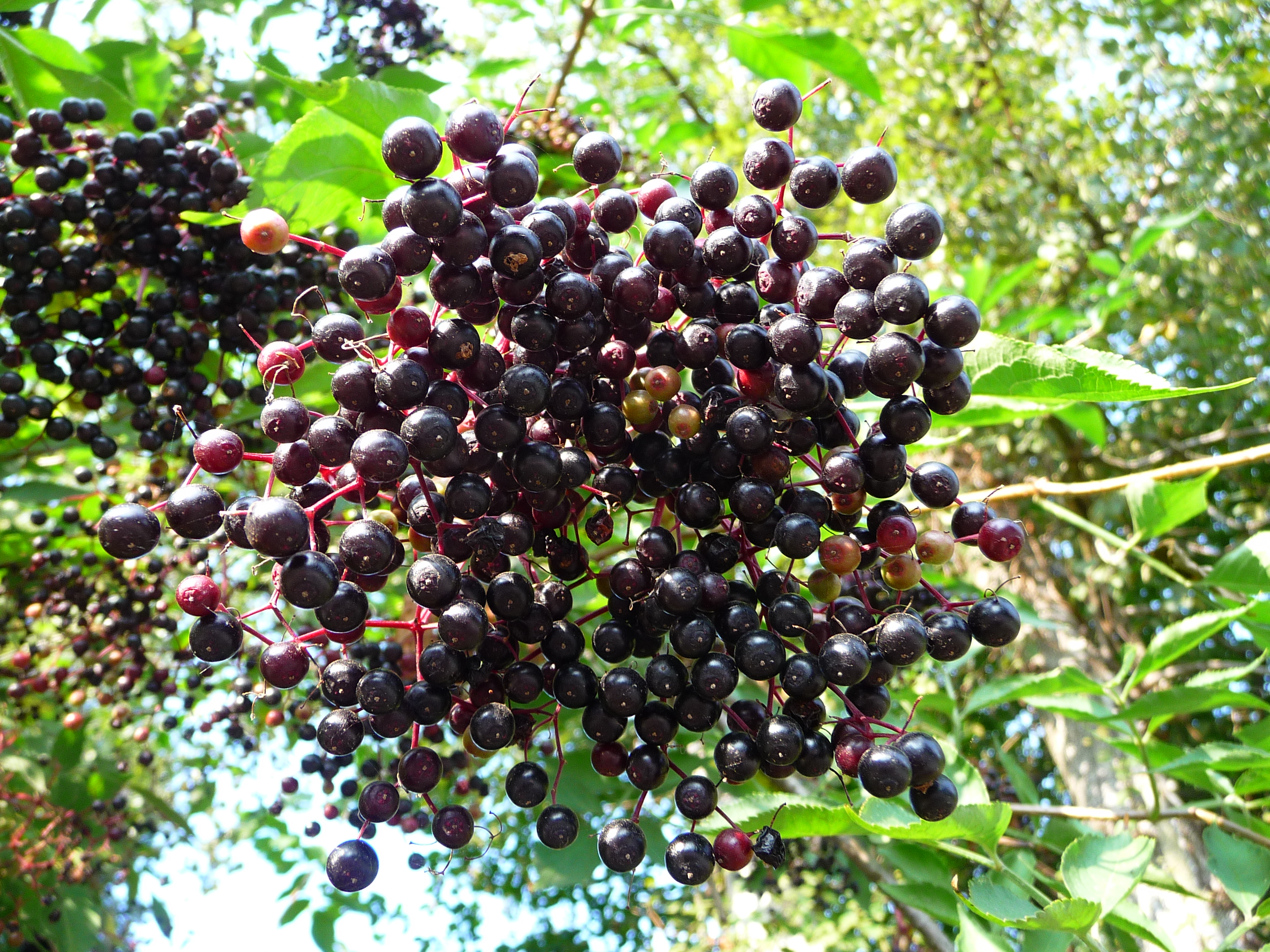
A dark-fruited elder with conflicting cold-and-flu research, toxic raw-part concerns, and a species mismatch that makes commercial cooked food the responsible beginner route.
Being Tea Co provides education, not medical advice, treatment, or positive plant identification. Natural does not mean risk-free. Never ingest a wild plant or fungus from a photograph, app result, common name, or this website alone.
Herbs can cause allergic reactions and interact with medicines. Pregnancy, breastfeeding, childhood, surgery, seizure history, kidney or liver conditions, and other health factors can change what is appropriate. Ask a qualified clinician or pharmacist about your own situation.
At a glance
| Scientific name | Sambucus nigra |
|---|---|
| Exact part | Commercially sourced, fully ripe, fully cooked dark fruit only |
| Safety class | Purchased only · cooked food product |
| Source | Reputable cooked juice, preserve, or syrup with a complete label |
| Season | Commercial product year-round; fruit ripens late summer to autumn |
| Broad region | Native to Europe, northern Africa, and southwestern Asia; widely cultivated, but not Alaska’s default wild elder |
Research lead—not positive identification or permission to harvest.
Identity
- The page concerns Sambucus nigra, not every shrub called elder or elderberry.
- The usable material is fully ripe dark purple-black fruit that has been commercially processed and cooked.
- Leaves, stems, bark, roots, unripe fruit, and an unlabeled homemade whole-plant extract are excluded.
- A cultivated S. nigra typically has opposite pinnate leaves, broad cream-white flower sprays, and drooping clusters of glossy dark fruit.
Lookalikes and exclusions
Red elderberry (Sambucus racemosa) is a different species and is more likely in Alaska. Toxic pokeweed is a nonwoody herb with alternate simple leaves, red-purple stems, and elongated berry racemes. Fruit color alone never establishes identity.
Do not proceed if
- The scientific name, exact plant part, or maturity stage is uncertain.
- A dangerous or confusing lookalike has not been ruled out with current regional sources.
- The landowner or land manager has not expressly allowed collection.
- The population is sparse, protected, stressed, culturally sensitive, or needed by wildlife.
- Road runoff, spraying, industrial history, pet waste, polluted water, mold, or other contamination is possible.
- Your allergy, pregnancy, breastfeeding, childhood, surgery, health-condition, or medication questions have not been resolved.
Where and when
Black elderberry is not a sensible Alaska wild-harvest target. Use a traceable cooked S. nigra food product or a cultivated plant whose species and management history are known.
Harvest ethics
Commercial sourcing avoids taking wildlife food and avoids confusion with local elder species. Read the ingredient list for added sugar, other herbs, and allergens rather than treating every dark syrup as the same product.
Culinary and traditional context
Elderberry has long food and folk-medicine histories in Europe. Describe a named regional practice when possible; tradition is cultural evidence, not proof that a product prevents or cures infection.
What the research can—and cannot—say
Human influenza trials conflict: a small 2004 trial reported faster symptom relief, while a later randomized placebo-controlled study in 87 patients found no reduction in influenza duration or severity. NCCIH concludes that evidence is insufficient for most promoted uses and does not support relying on elderberry for COVID-19.
Side effects and interactions
- Raw or unripe fruit and the leaves and stems contain cyanide-producing substances; cooking is an essential safety step, not an optional flavor choice.
- Pregnancy and breastfeeding safety for medicinal or concentrated use is not established.
- Review concentrated products with a clinician or pharmacist, especially with immune-modifying treatment; do not assume an “immune” claim is harmless.
- A commercial syrup’s sugar, alcohol, preservatives, and additional herbs may matter as much as the elderberry.
Preparation
Use only a commercially produced, fully cooked Sambucus nigra food and follow its label. For a beverage, dilute a food-serving amount of cooked juice or preserve in hot water. No raw tasting, leaf or stem tea, homemade therapeutic dose, or wild-berry recipe is published.
Kitchen ritual & folklore
The nearly black fruit can symbolize winter preparation or intergenerational care. Keep that reflection separate from antiviral, immune-boosting, or disease-prevention claims.
Folklore and personal ritual are presented as cultural or reflective practices. They are not evidence that an ingredient changes physiology, treats illness, predicts events, or is safe for a particular person.
Sources and review
- NCCIH: Elderberry Usefulness and Safety
- European Medicines Agency: Sambucus nigra Fruit Assessment
- Royal Horticultural Society: Sambucus nigra Identity and Cooked-Fruit Warning
- PubMed: 2020 Randomized Placebo-Controlled Influenza Trial
- PubMed: 2004 Randomized Elderberry Influenza Study
- Penn State Extension: Toxic Pokeweed Identification
Editorial safety review: July 29, 2026. Re-check linked sources, local rules, and product labels before use; evidence and regulations change.
 Being Tea Co
