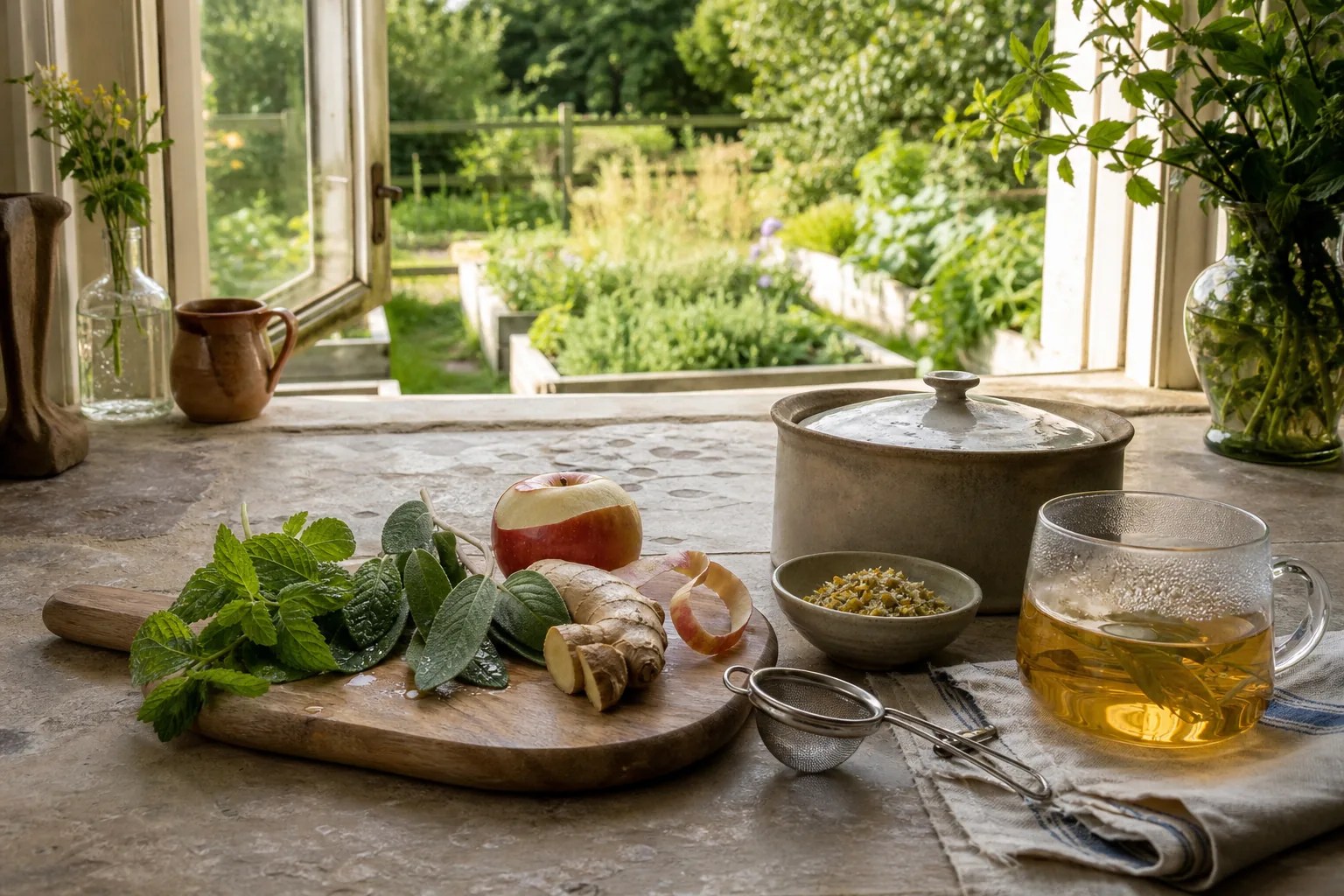
The lowest-risk place to begin is a labeled food ingredient, a known garden bed, a clean kettle, and one modest cup.
Being Tea Co provides education, not medical advice, treatment, or positive plant identification. Natural does not mean risk-free. Never ingest a wild plant or fungus from a photograph, app result, common name, or this website alone.
Herbs can cause allergic reactions and interact with medicines. Pregnancy, breastfeeding, childhood, surgery, seizure history, kidney or liver conditions, and other health factors can change what is appropriate. Ask a qualified clinician or pharmacist about your own situation.
A kitchen-first method
- Read the exact common and scientific name on the product or plant label.
- Check the ingredient for mold, decay, contamination, and allergen concerns.
- Review medicines, pregnancy, breastfeeding, surgery, and health conditions.
- Use a food-style amount and a tested or labeled preparation.
- Try one ingredient at a time so an adverse response is easier to recognize.
- Record flavor, aroma, body response, and any reason to stop.
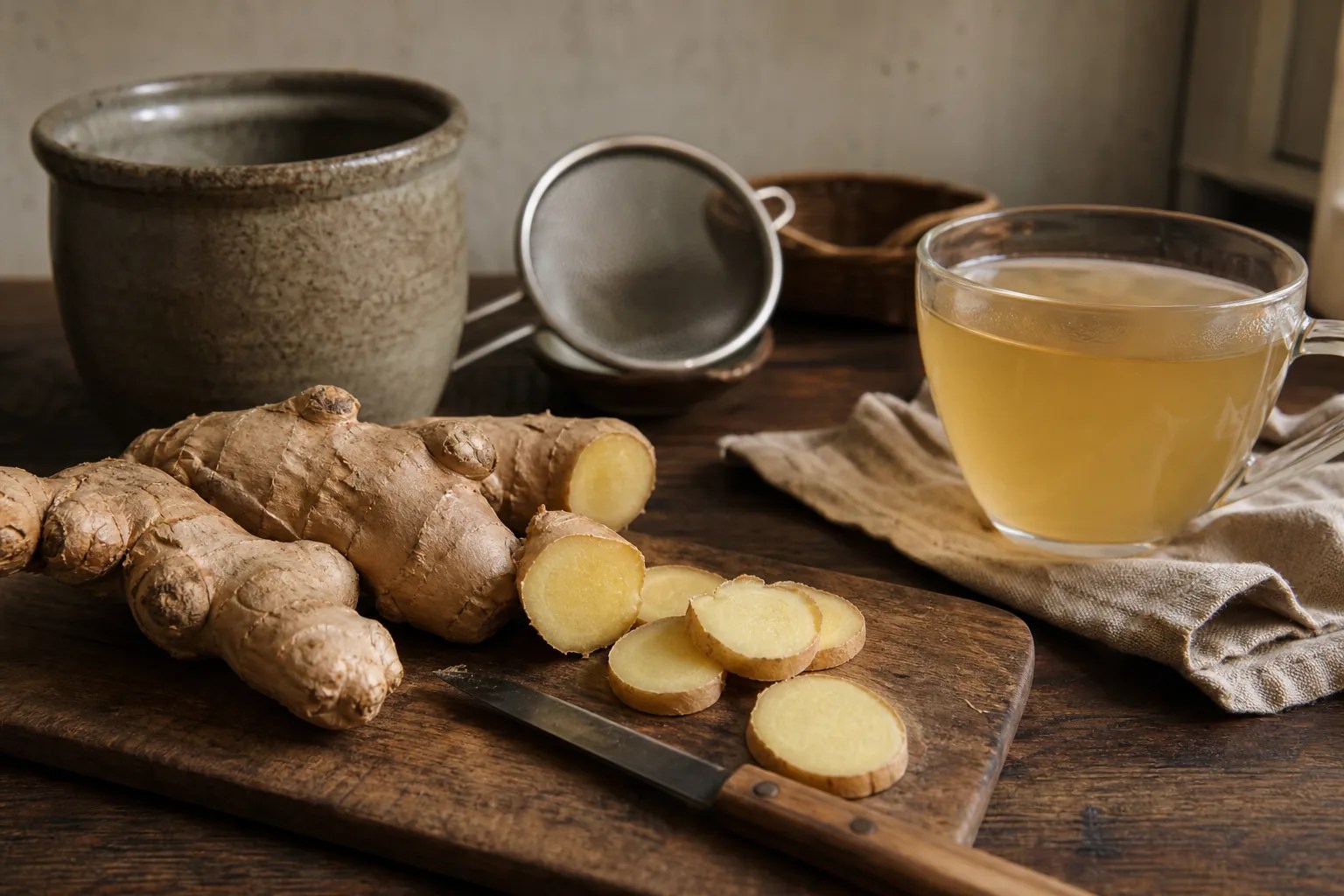
Ginger
Food-grade rhizome. A warming, pungent kitchen infusion with some human research behind specific nausea and menstrual-cramp questions—but not a cure-all.

Culinary sage
Labeled culinary leaf. An aromatic culinary infusion that must not be generalized to every plant called sage.
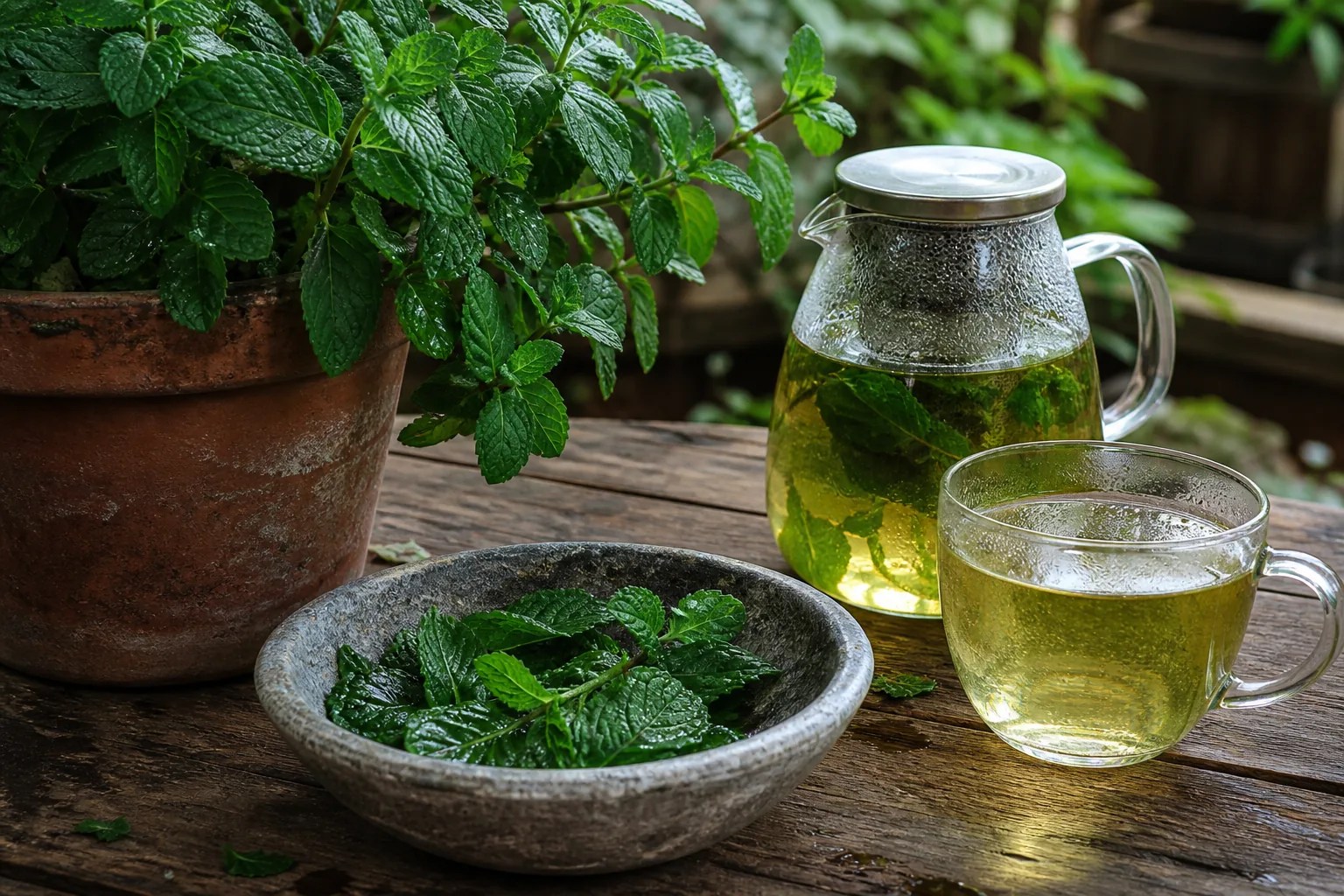
Peppermint
Labeled culinary leaf. A familiar cooling infusion whose tea is not equivalent to concentrated peppermint oil.
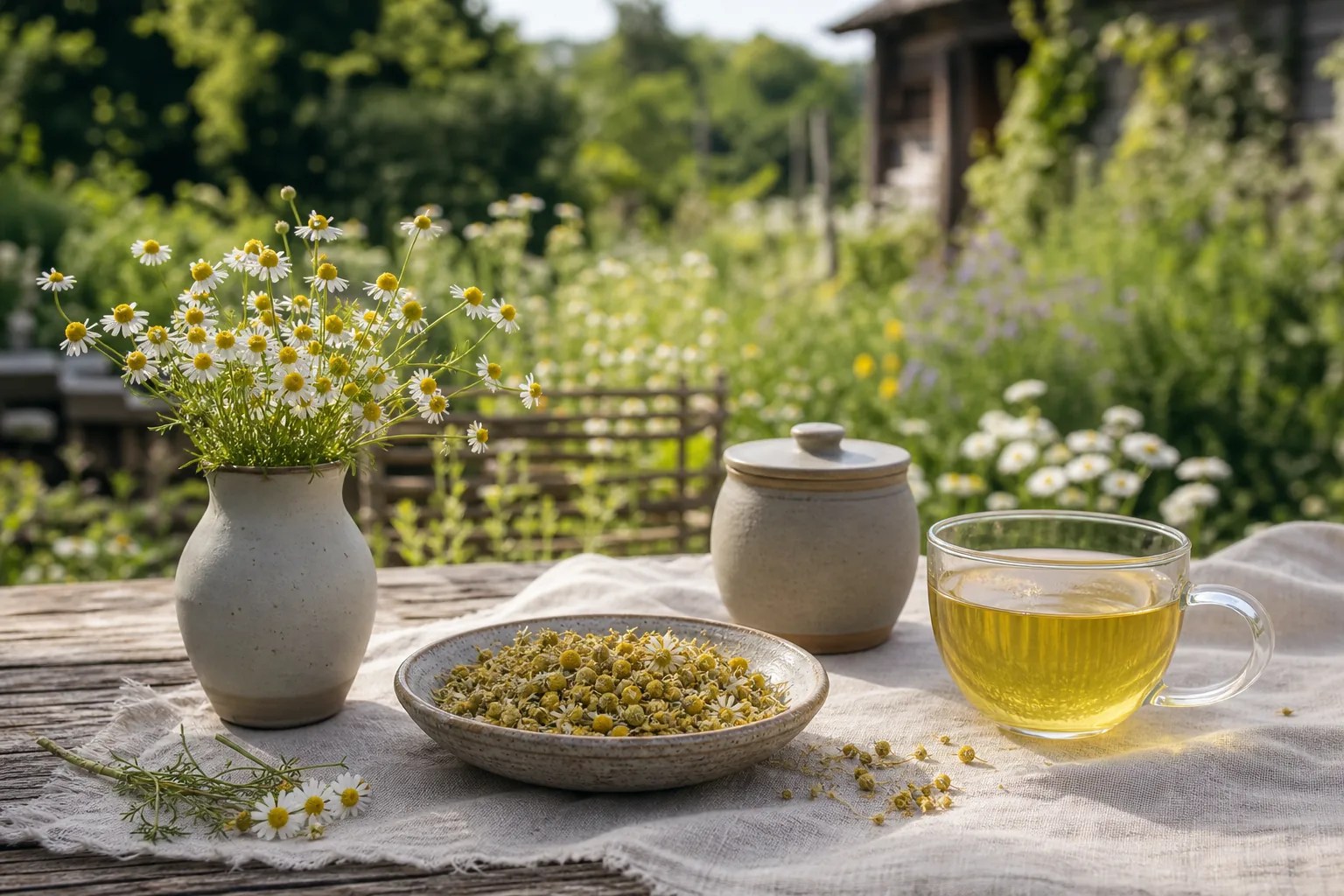
German chamomile
Food-grade flower heads. A soft floral infusion with a long household history and an important daisy-family allergy caution.
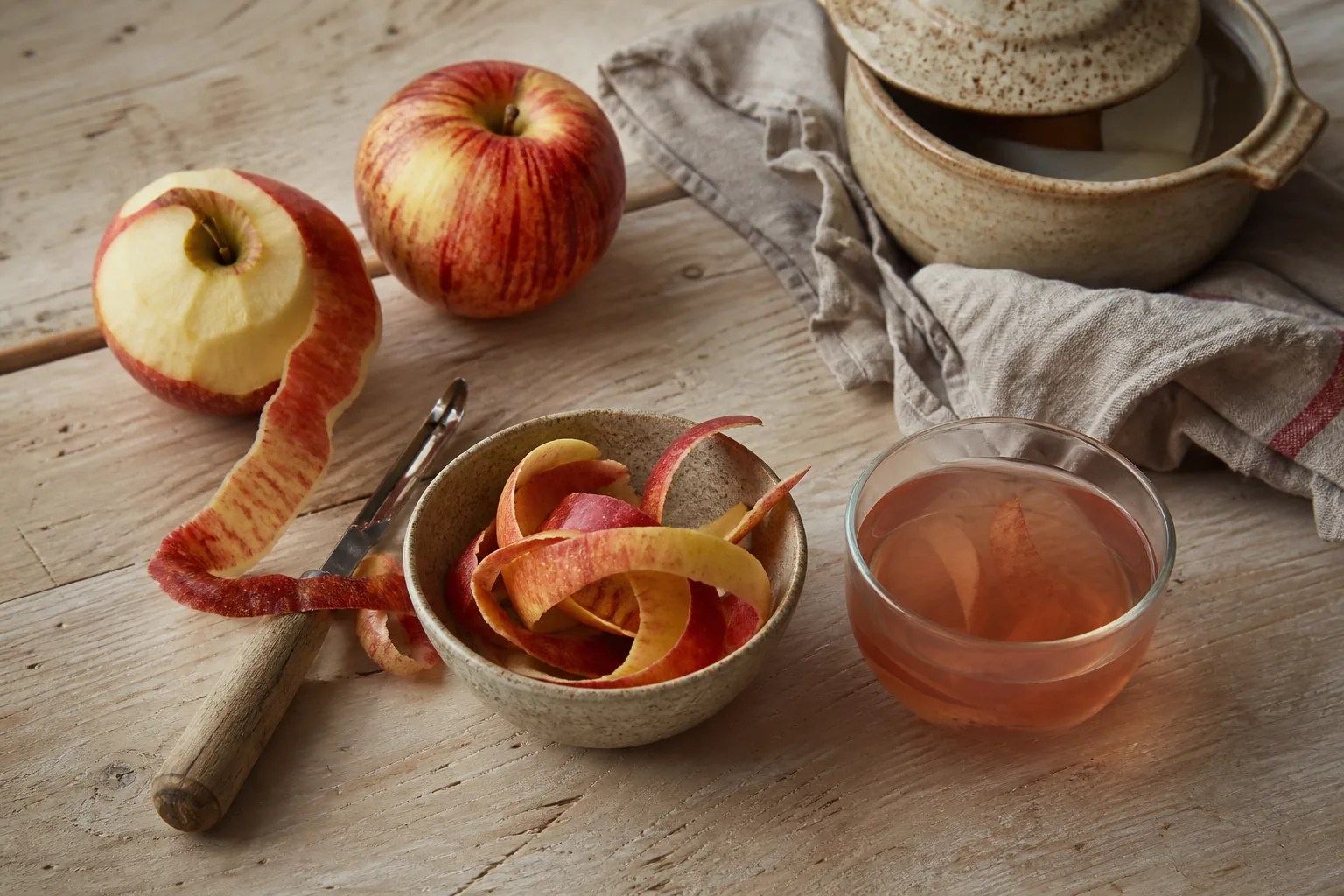
Apple peel
Fresh peel only; exclude seeds, core, rot, and mold. A gentle way to use clean apple peel as flavor before composting it—without turning food-waste reduction into a detox claim.
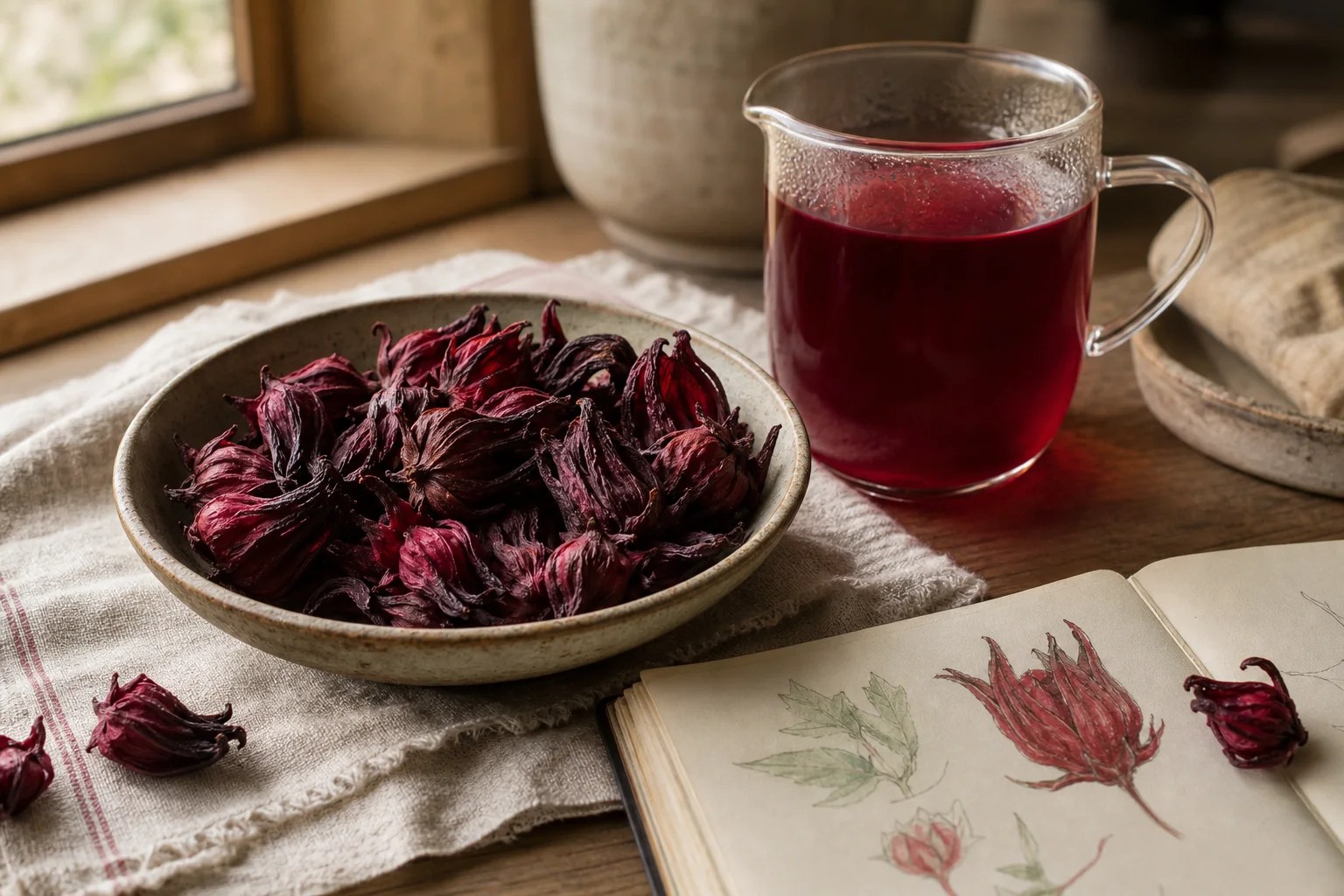
Roselle hibiscus
Food-grade dried fleshy calyx surrounding the fruit. A ruby-red tart infusion made from roselle calyces—not generic ornamental hibiscus—with human blood-pressure findings that call for restraint around medicines and low blood pressure.
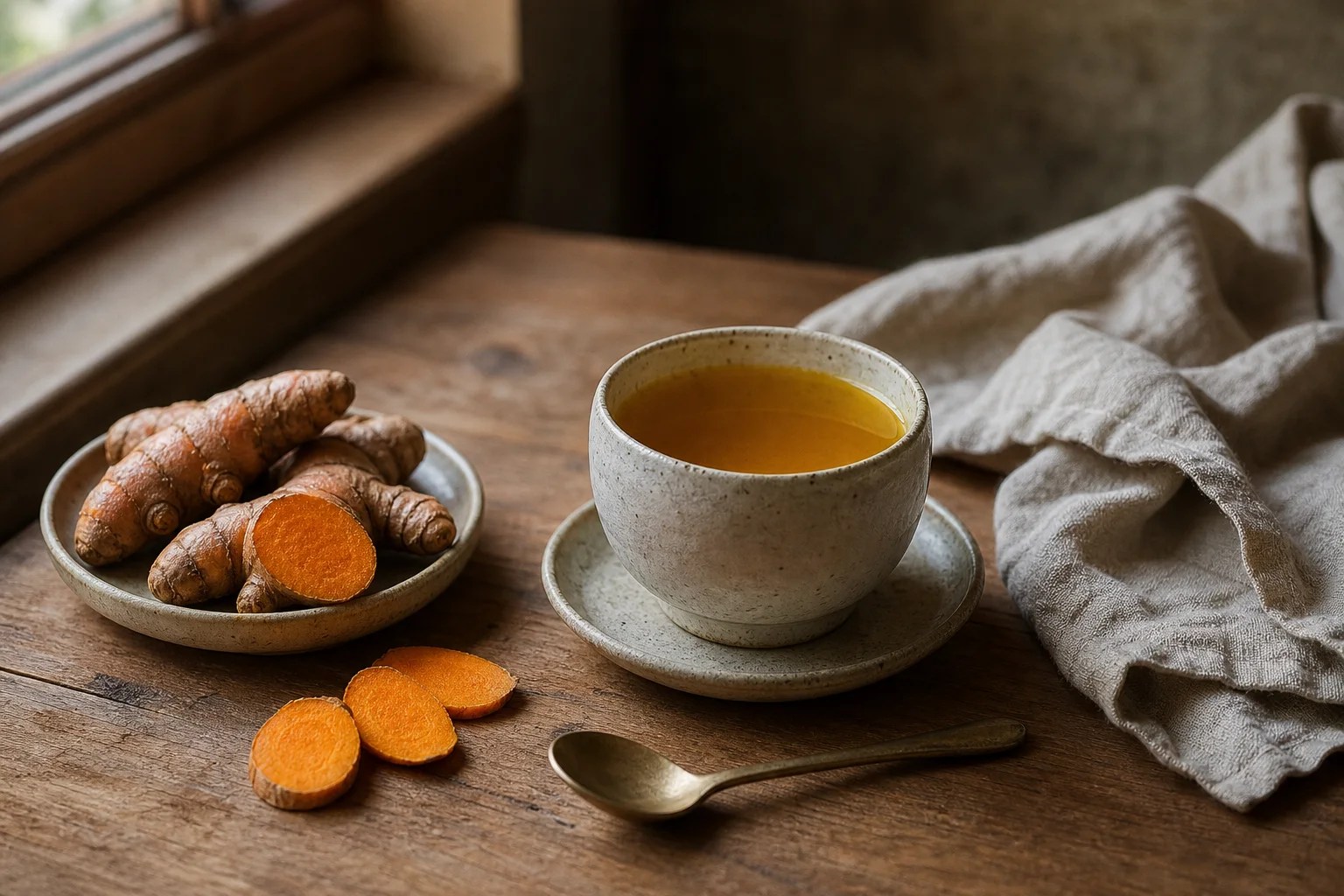
Turmeric
Food-grade fresh or dried rhizome. A golden culinary rhizome with deep South Asian food and ceremonial histories, uncertain clinical benefit, and a safety line between modest spice use and concentrated or absorption-enhanced supplements.
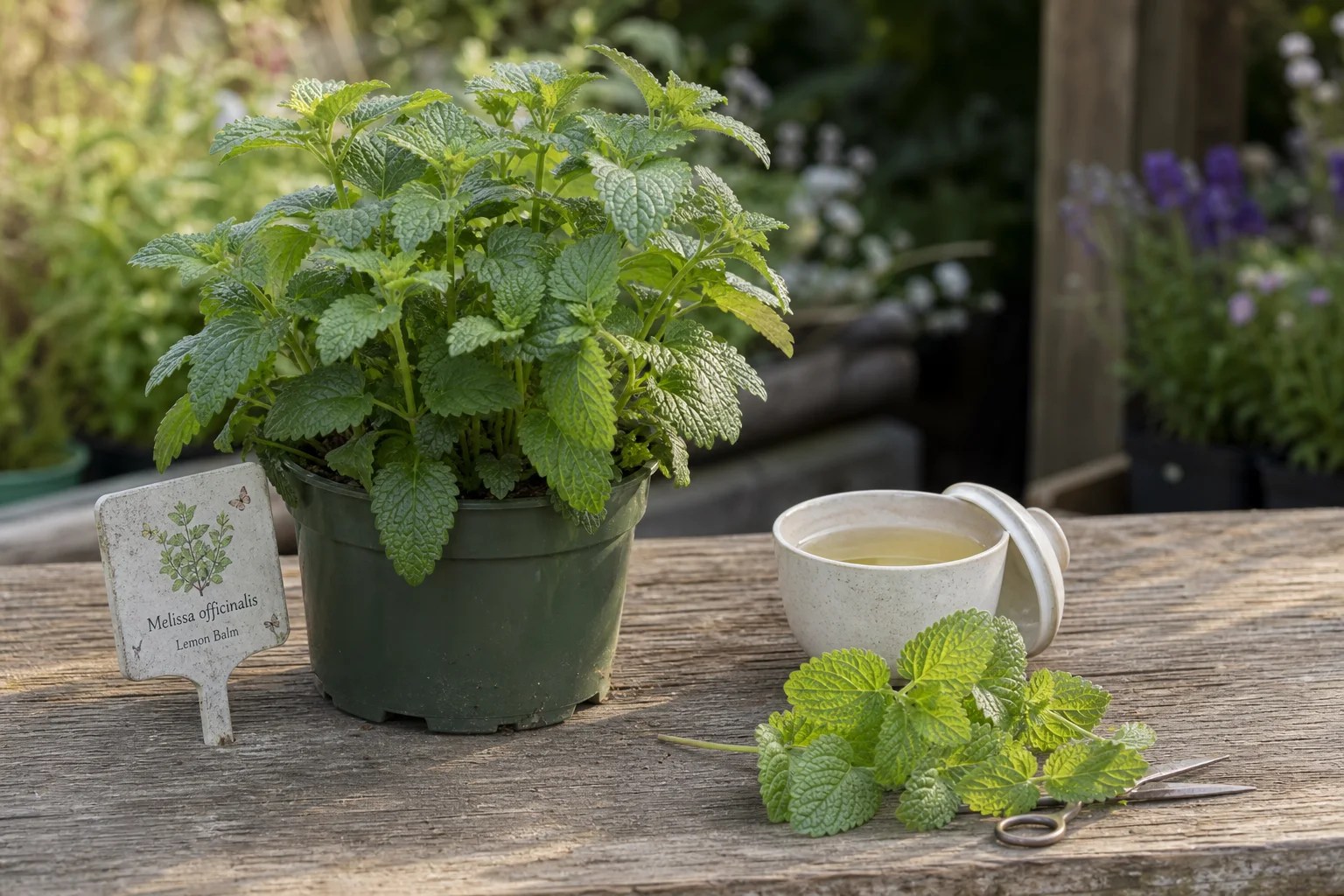
Lemon balm
Labeled food-grade leaf. A lemon-scented mint-family leaf with a long calming-tea tradition, limited product-specific human research, possible drowsiness, and a laboratory thyroid signal that deserves honest labeling.
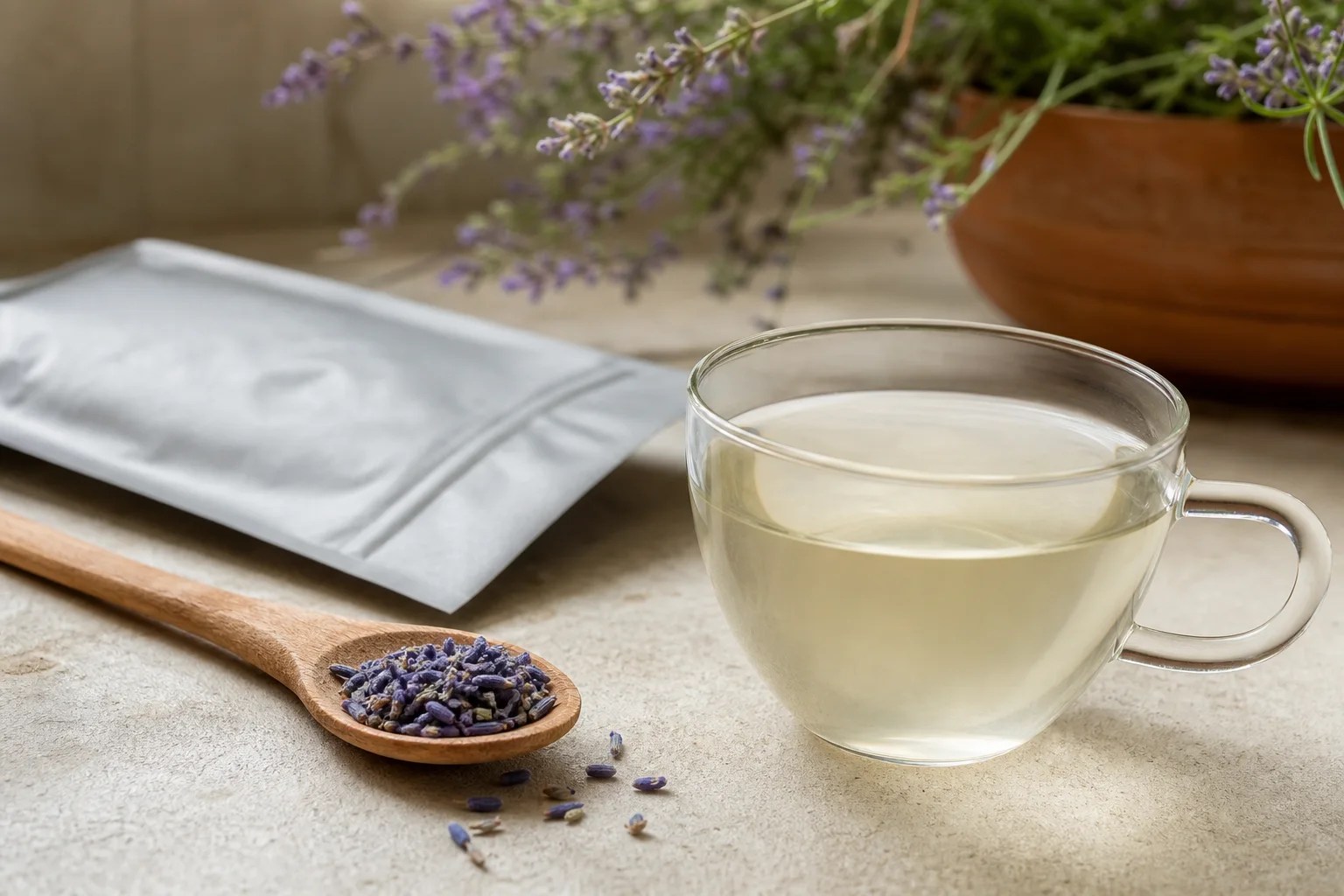
English lavender
Food-grade dried flower or flower bud. A highly aromatic flower best used as a measured culinary accent, with preliminary calming research that mostly concerns standardized oil products rather than a pale household infusion.

Lemongrass
Food-grade leaf, including the tender basal leaf sheath sold as a culinary stalk. A bright citrus-scented culinary grass with a modest food-infusion route, sparse human evidence, and important distinctions from citronella grass and concentrated essential oil.
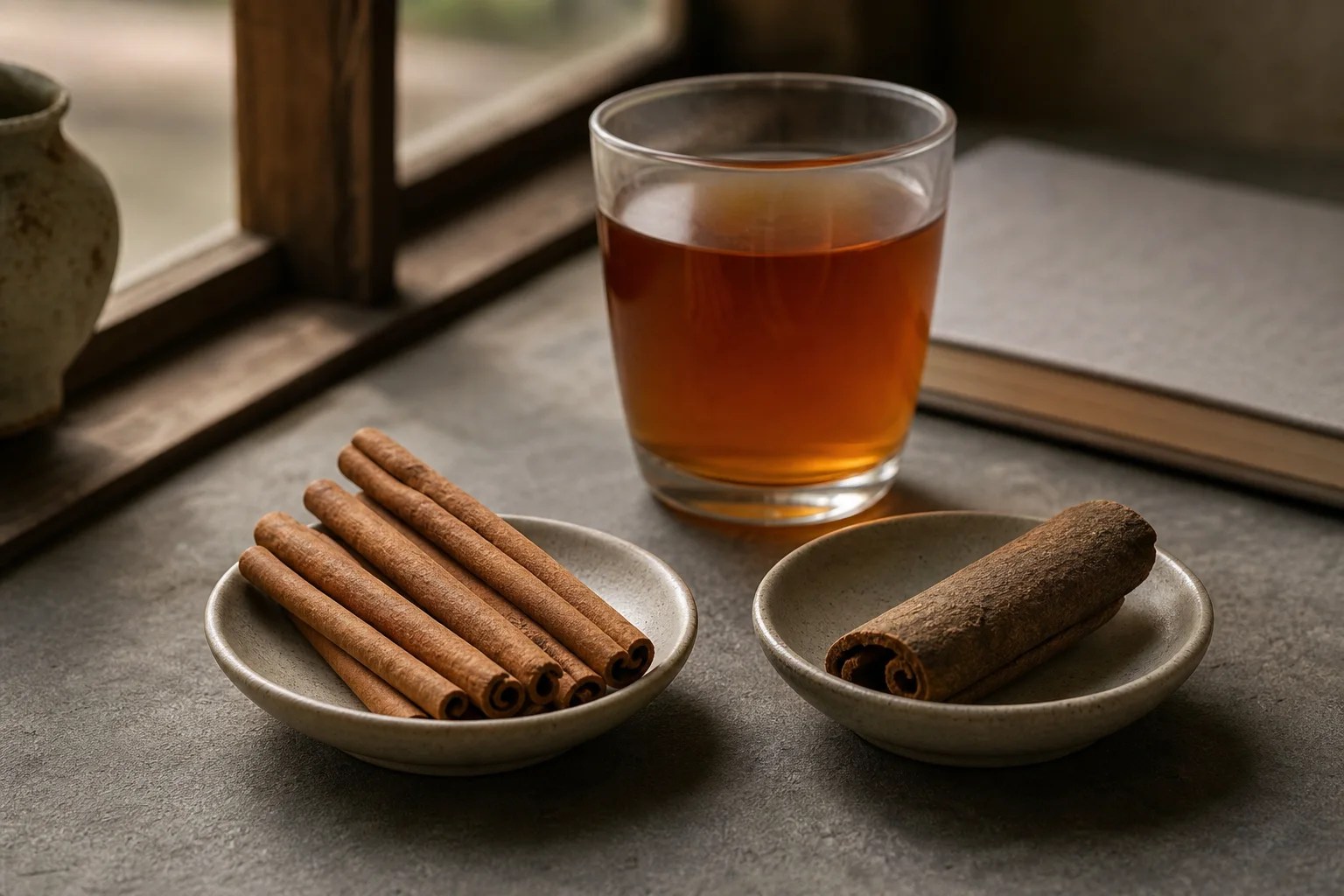
Ceylon cinnamon
Dried inner bark; Ceylon cinnamon only for this profile. A fragrant bark for an occasional culinary cup, with a species label that matters because Ceylon and cassia cinnamons differ in coumarin content and cannot share one evidence claim.
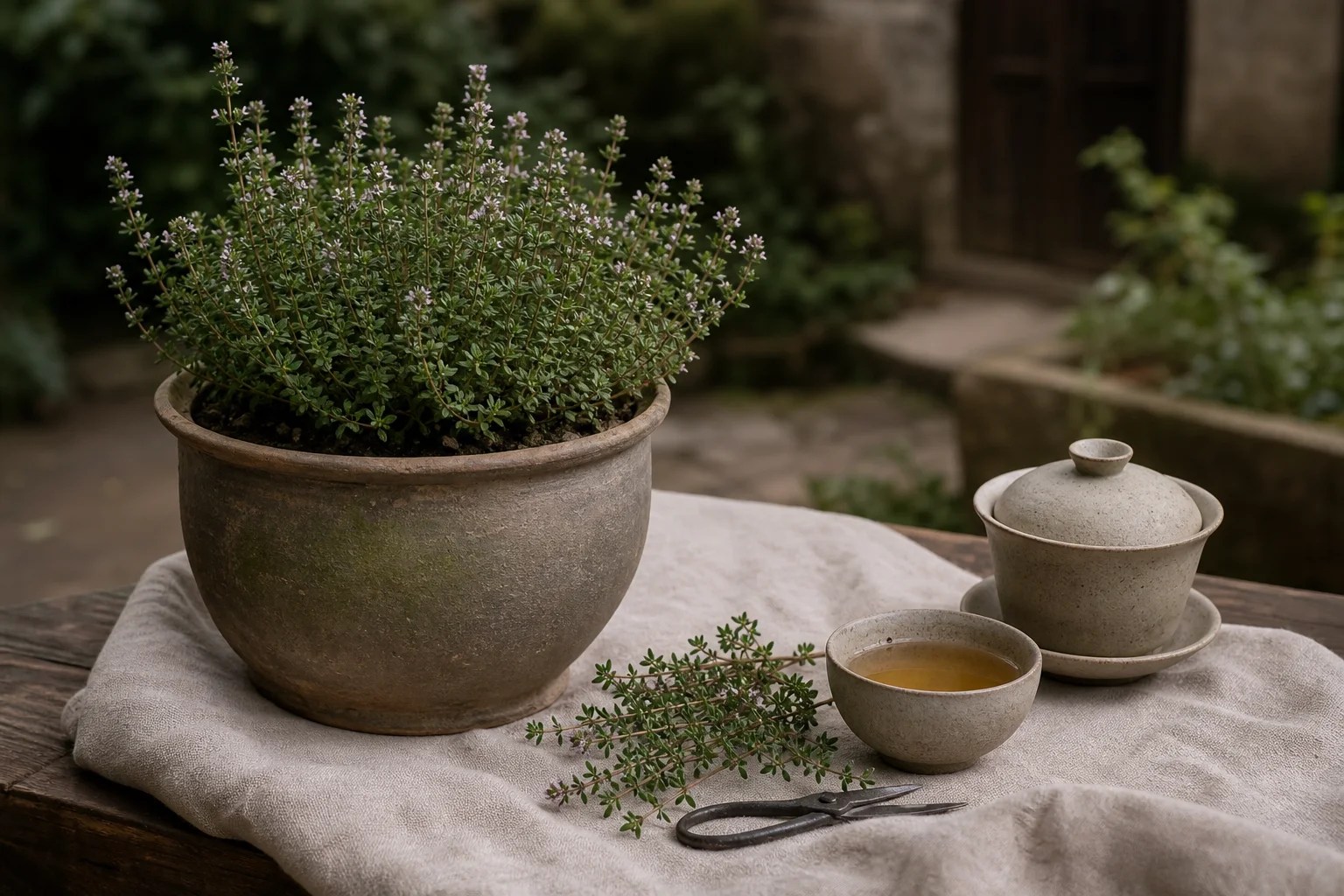
Common thyme
Labeled culinary leaf and tender flowering top. A familiar Mediterranean culinary herb whose productive-cough use is recognized by European regulators as traditional—not clinically proven—and whose essential oil does not belong in a home cup.
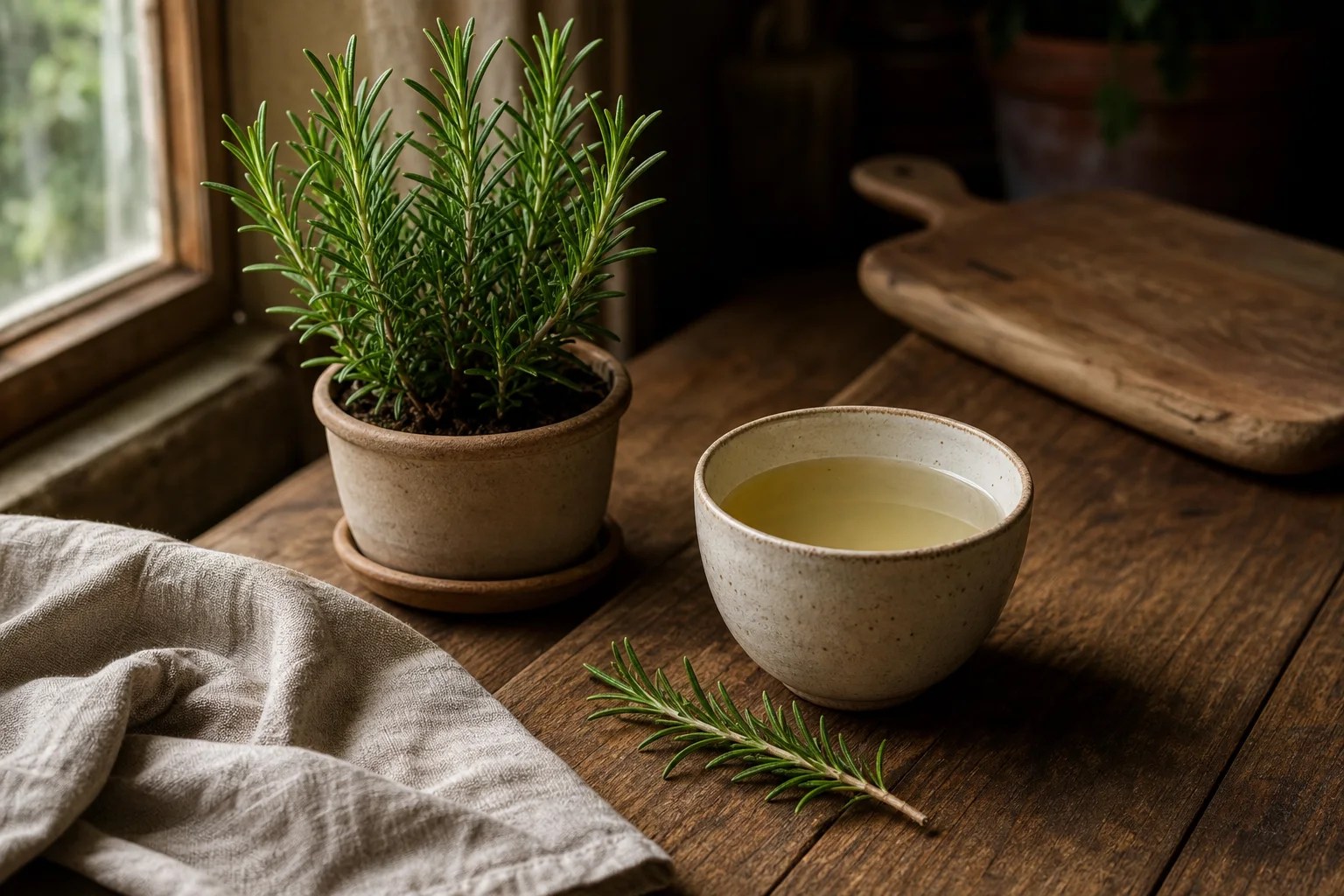
Rosemary
Labeled culinary leaf. A resinous Mediterranean culinary leaf whose accepted botanical name has changed, with traditional digestive use but no basis for turning a modest kitchen cup into a memory or circulation treatment.
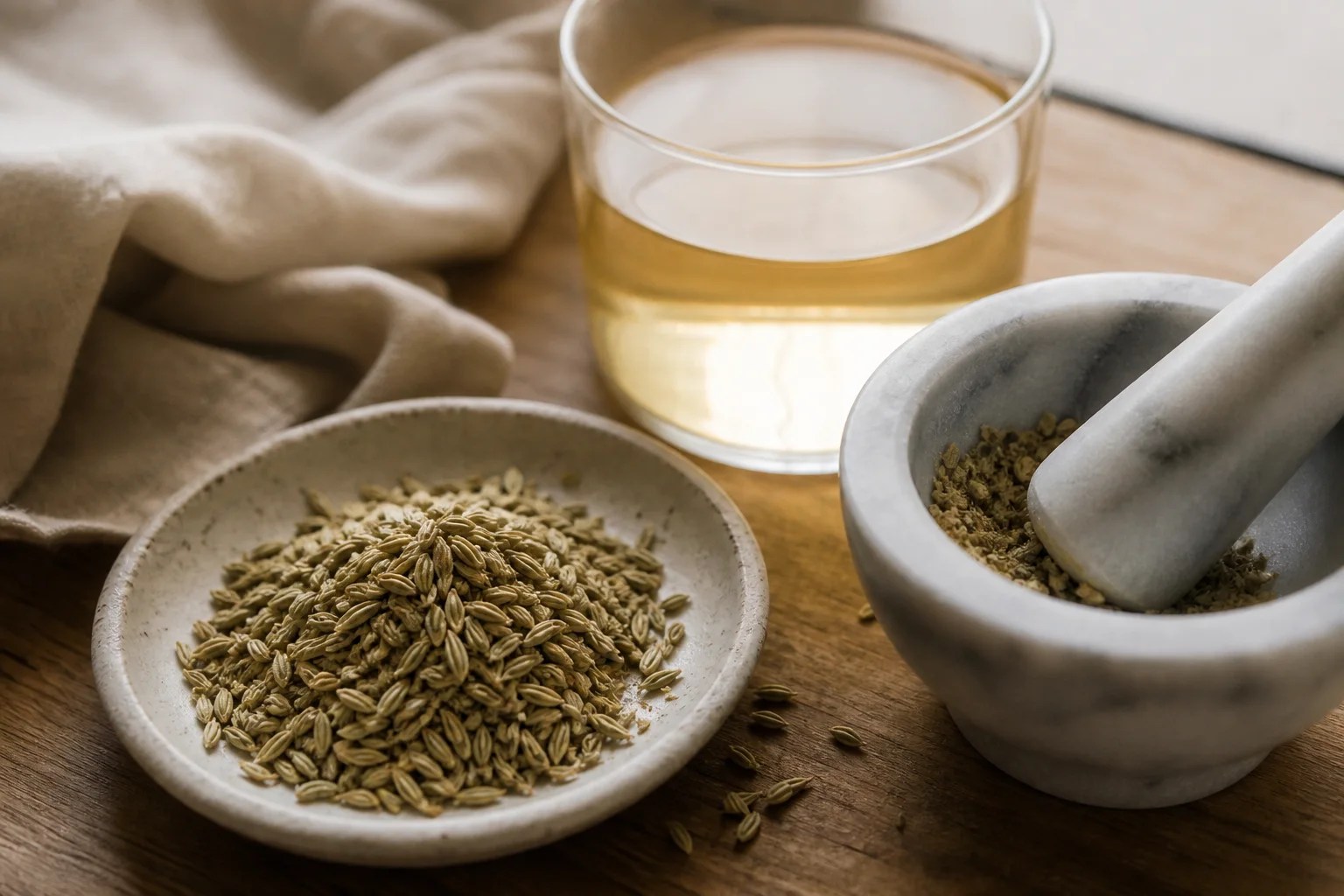
Sweet fennel fruit
Dried ripe fruit, commonly sold as “fennel seed”. A sweet anise-scented kitchen fruit kept to occasional adult use because traditional-use evidence is limited and current authorities flag allergy and estragole concerns, especially for vulnerable groups.
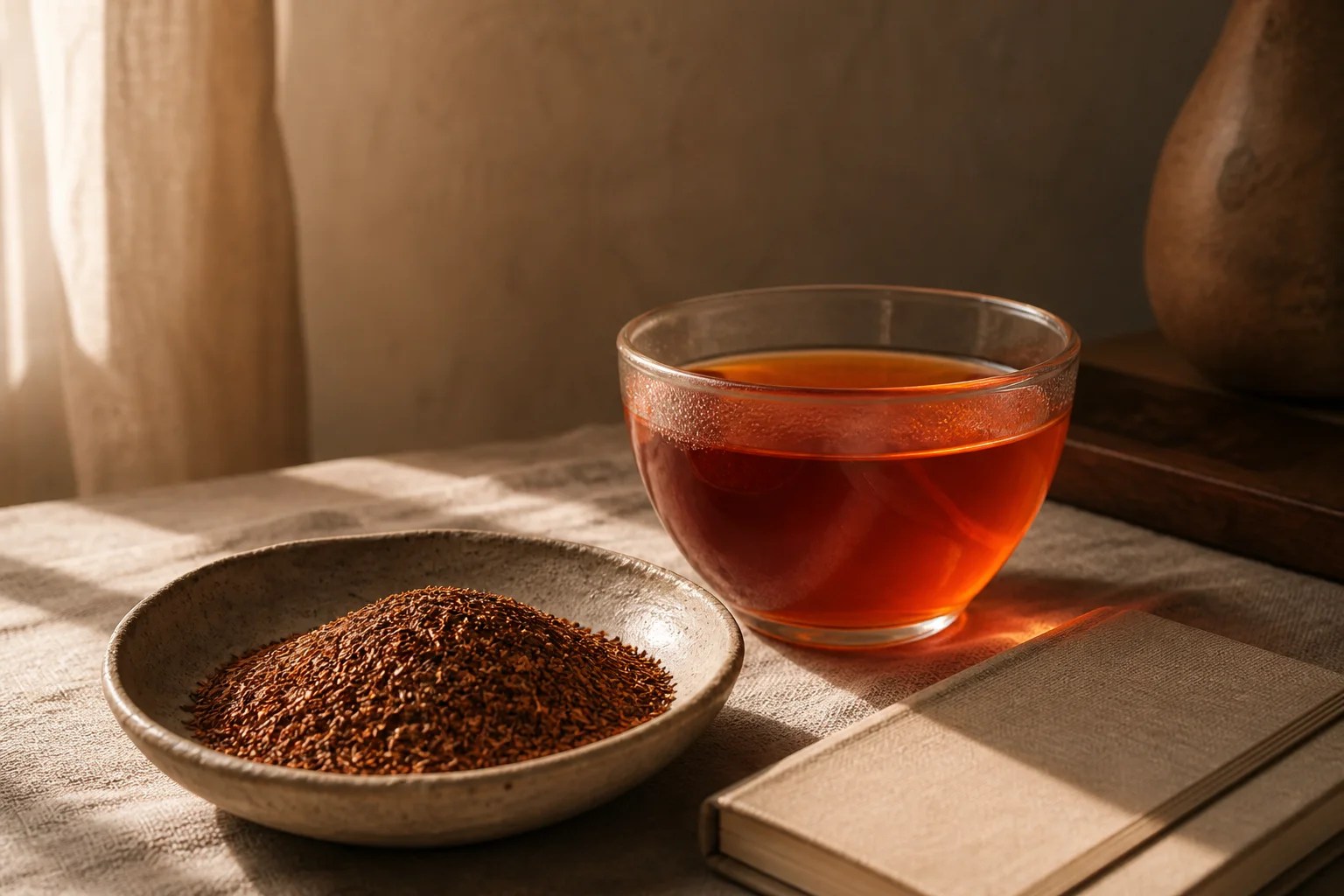
Rooibos
Chopped, dried leaves and young stems, usually oxidized or “fermented”. A South African herbal infusion valued for flavor and a naturally caffeine-free cup, while small human studies, laboratory interaction signals, and rare liver reports argue against turning it into a treatment or extract regimen.
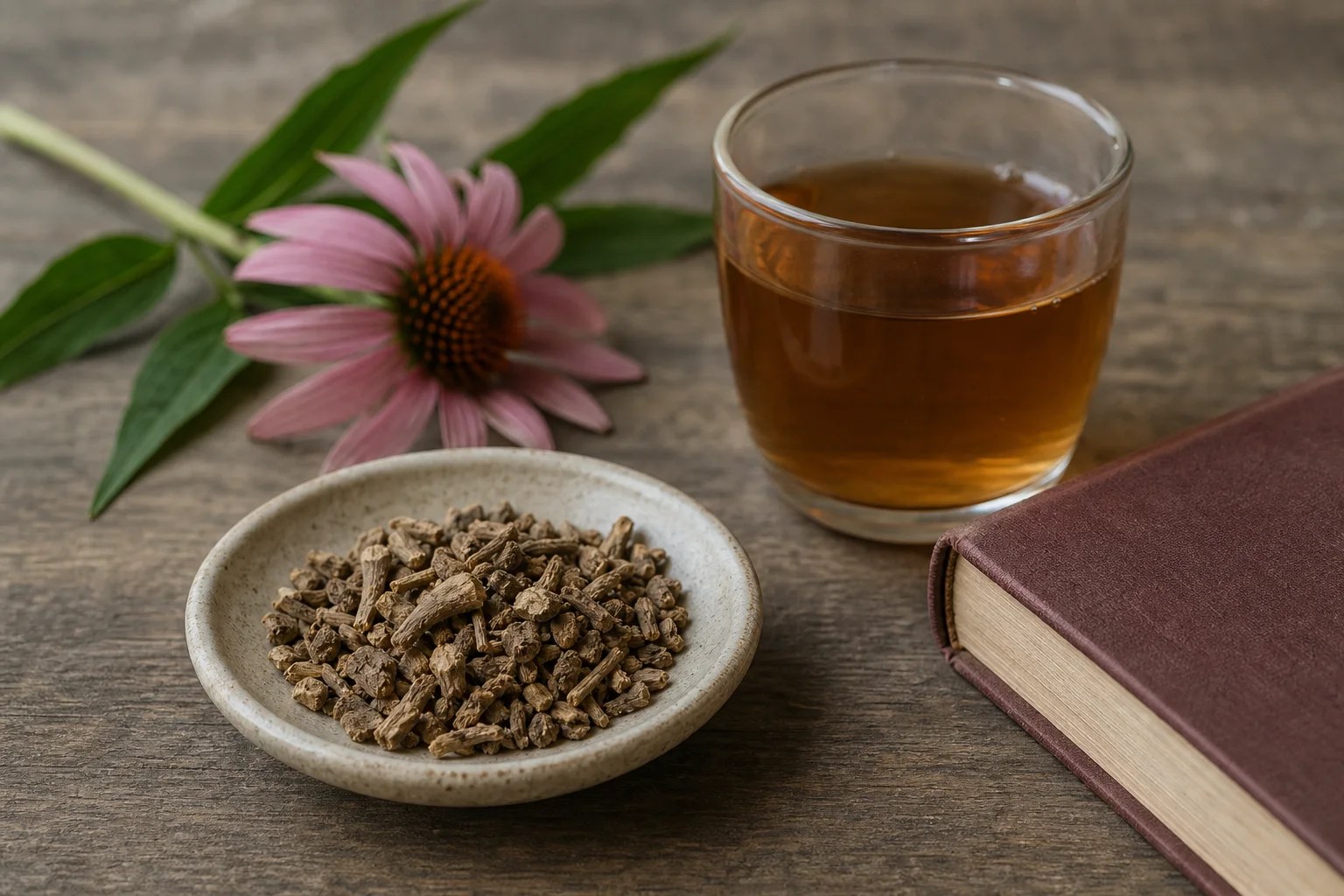
Purple coneflower
Flowering aerial parts; root and other Echinacea species excluded. A widely marketed coneflower whose species, plant part, and extraction method change the product—while cold benefits remain modest or uncertain and allergy can be serious.
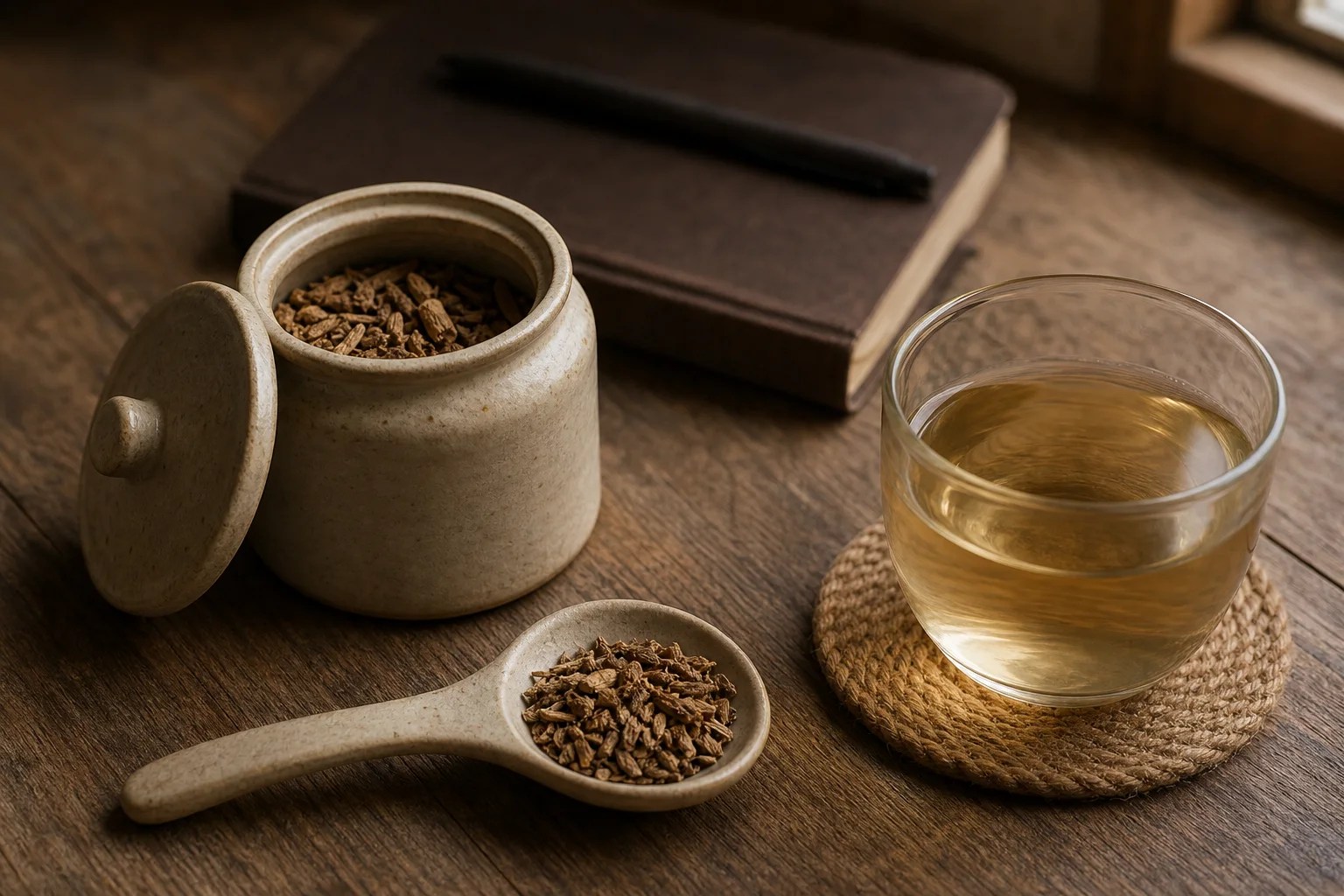
Valerian root
Dried root and rhizome; aerial parts and essential oil excluded. A pungent medicinal root with inconsistent sleep evidence and meaningful sedation, driving, pregnancy, alcohol, and long-term-use cautions.
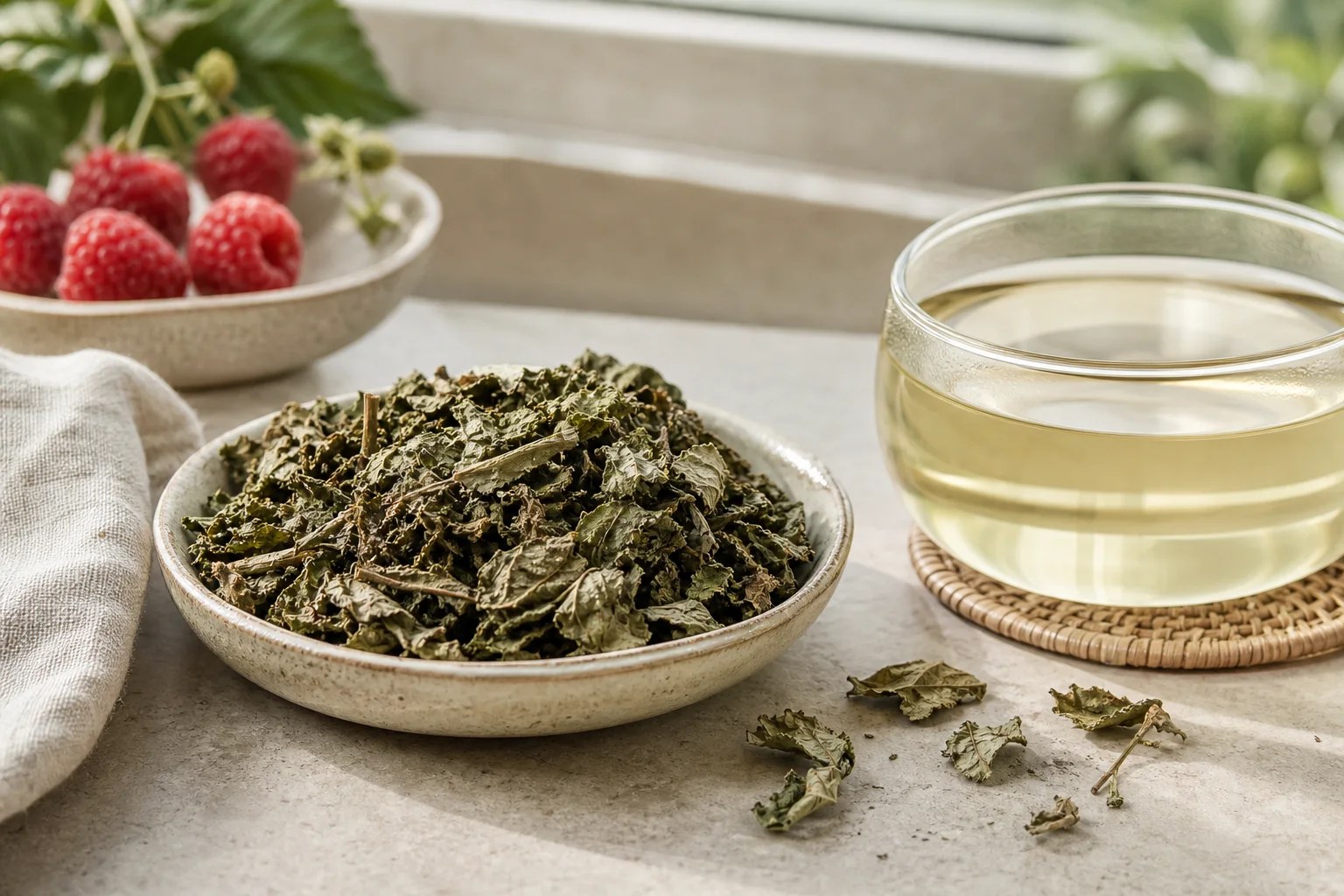
Red raspberry leaf
Dried, cut leaf; fruit and flavoring excluded. A leaf—not a berry tea—whose labor and “uterine tonic” reputation rests on limited, uncertain evidence and requires especially careful pregnancy and medication guidance.
 Being Tea Co