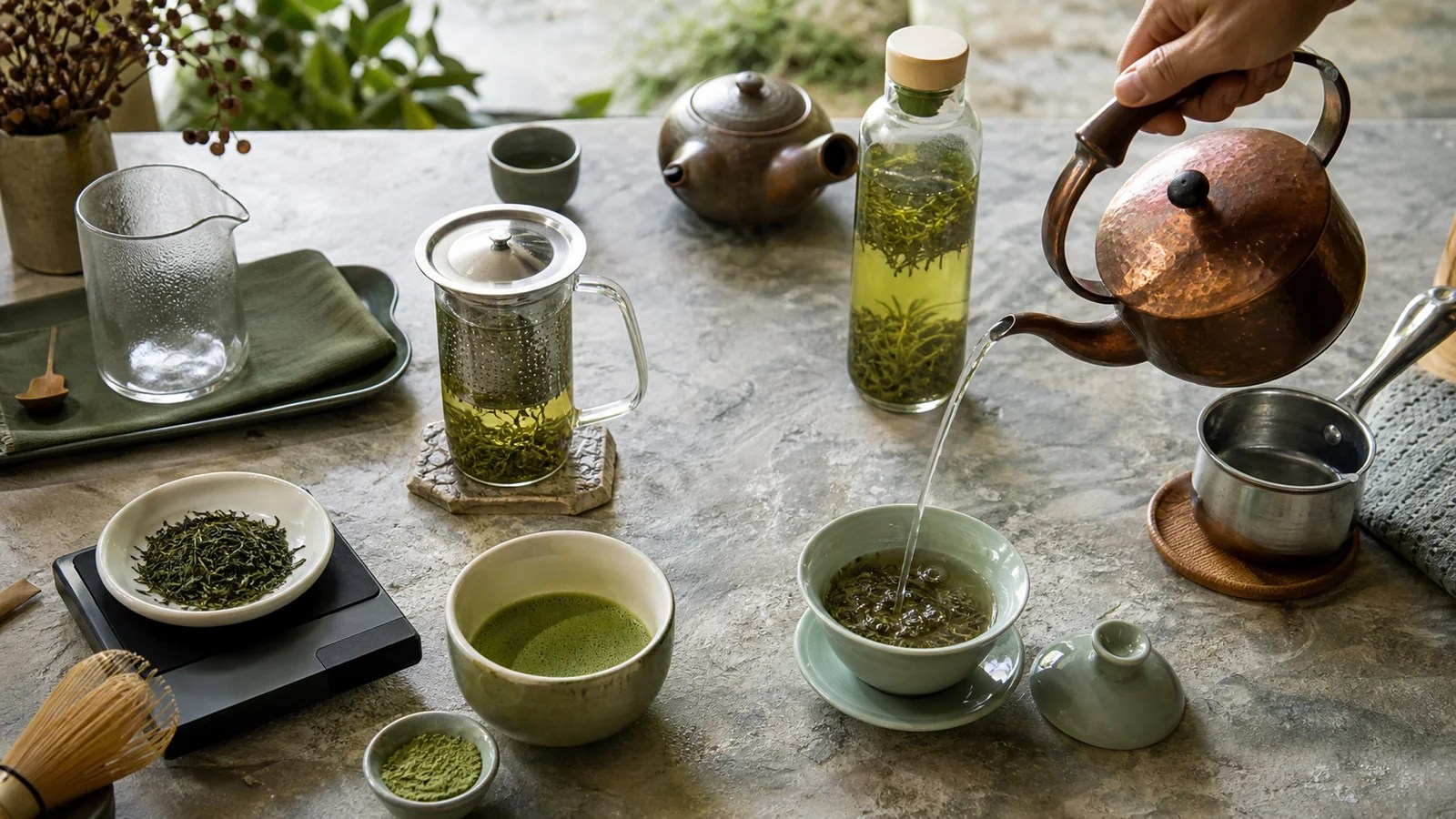
The preparation library
Learn the controls. Keep your curiosity.
Methods are tools, not rankings. Choose one that fits the leaf, the moment, the people, and the attention you have.
Leaf mass
How much dry tea enters the vessel.
Water volume
The amount of water sharing that leaf.
Temperature
The heat available for extraction.
Contact time
How long leaf and water remain together.
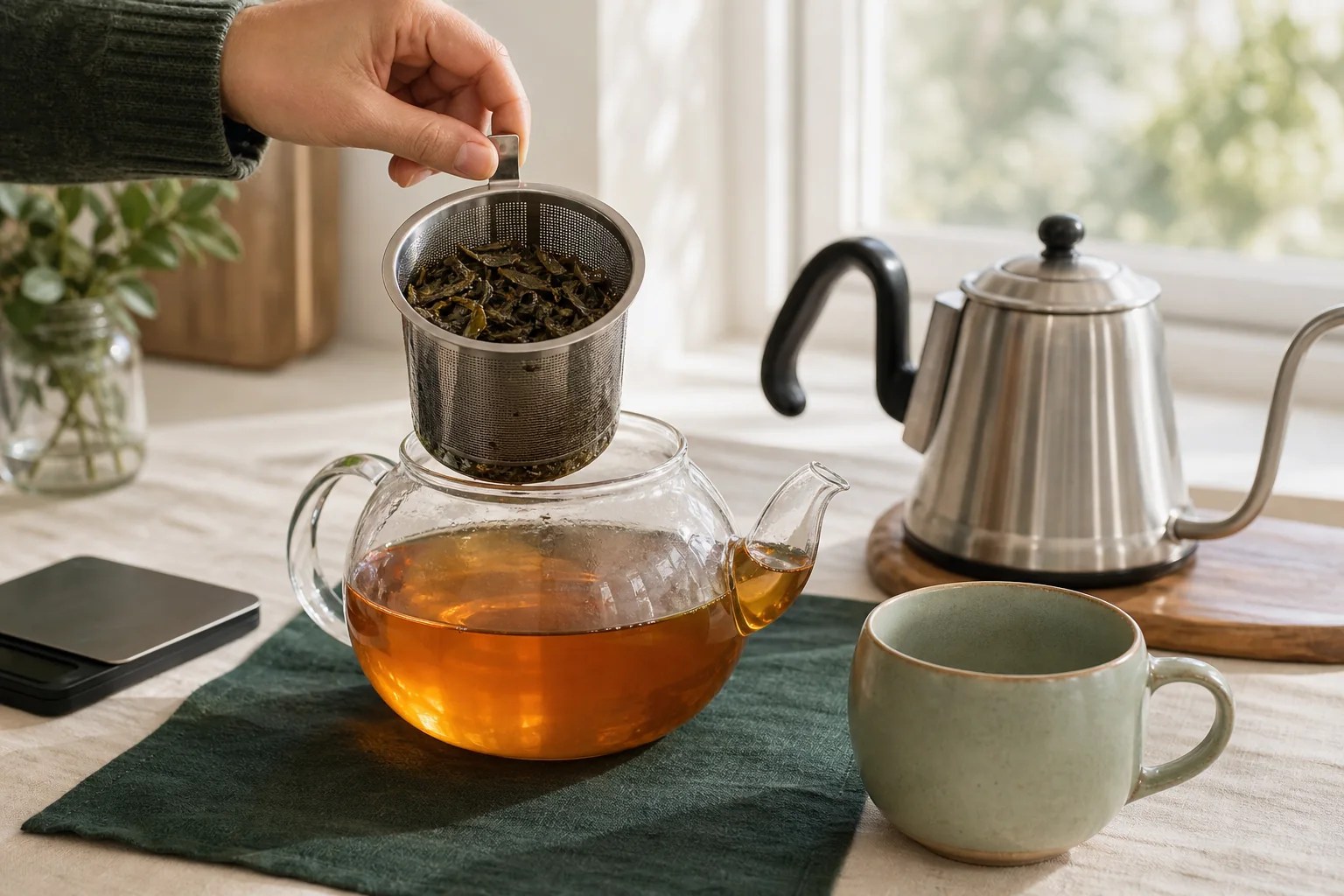
Western infusion
Everyday cups and larger pots. A moderate leaf-to-water ratio and one longer, complete infusion.
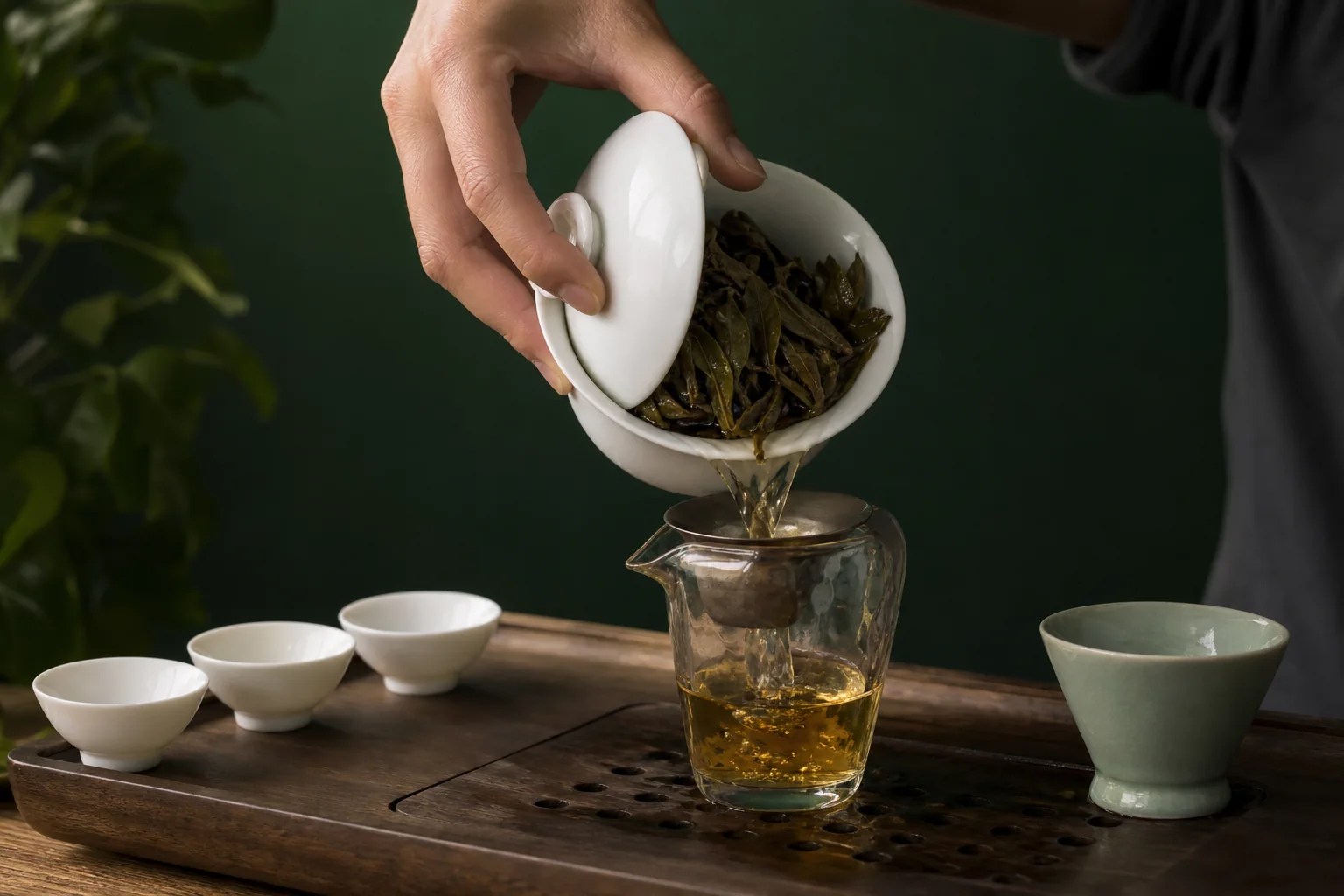
Gongfu brewing
Oolong, Pu-erh and teas worth following across infusions. More leaf, less water and a sequence of short, fully decanted infusions.

Grandpa style
Large-leaf green, white and easygoing tea. Leaf floats freely in a glass or mug while you drink and refill.
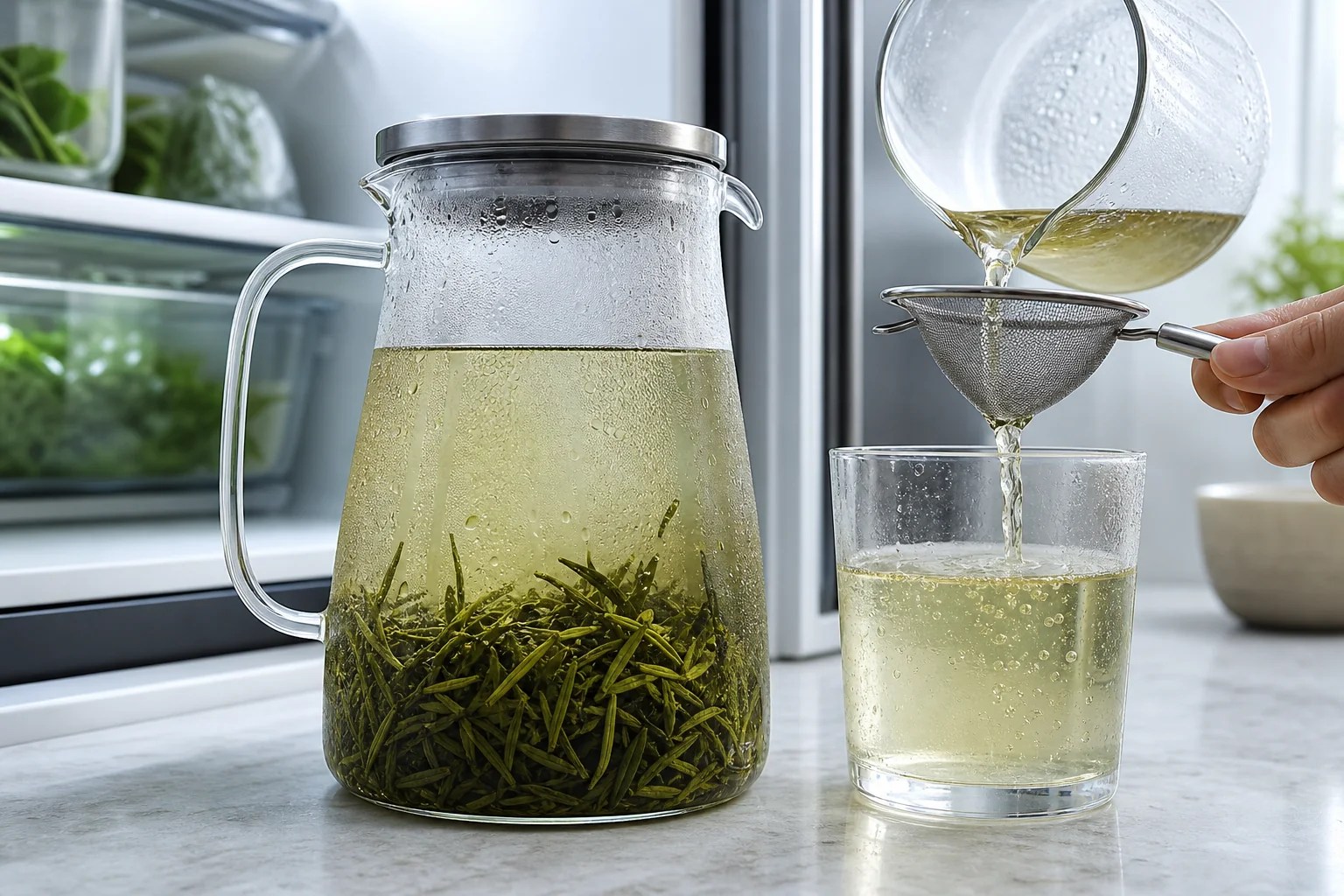
Cold brew
Refrigerated, low-agitation extraction. Time replaces heat for a cool, often softer-tasting infusion.

Sencha in a kyusu
Japanese steamed green tea. Measured cooling, a brief infusion and an even final pour.
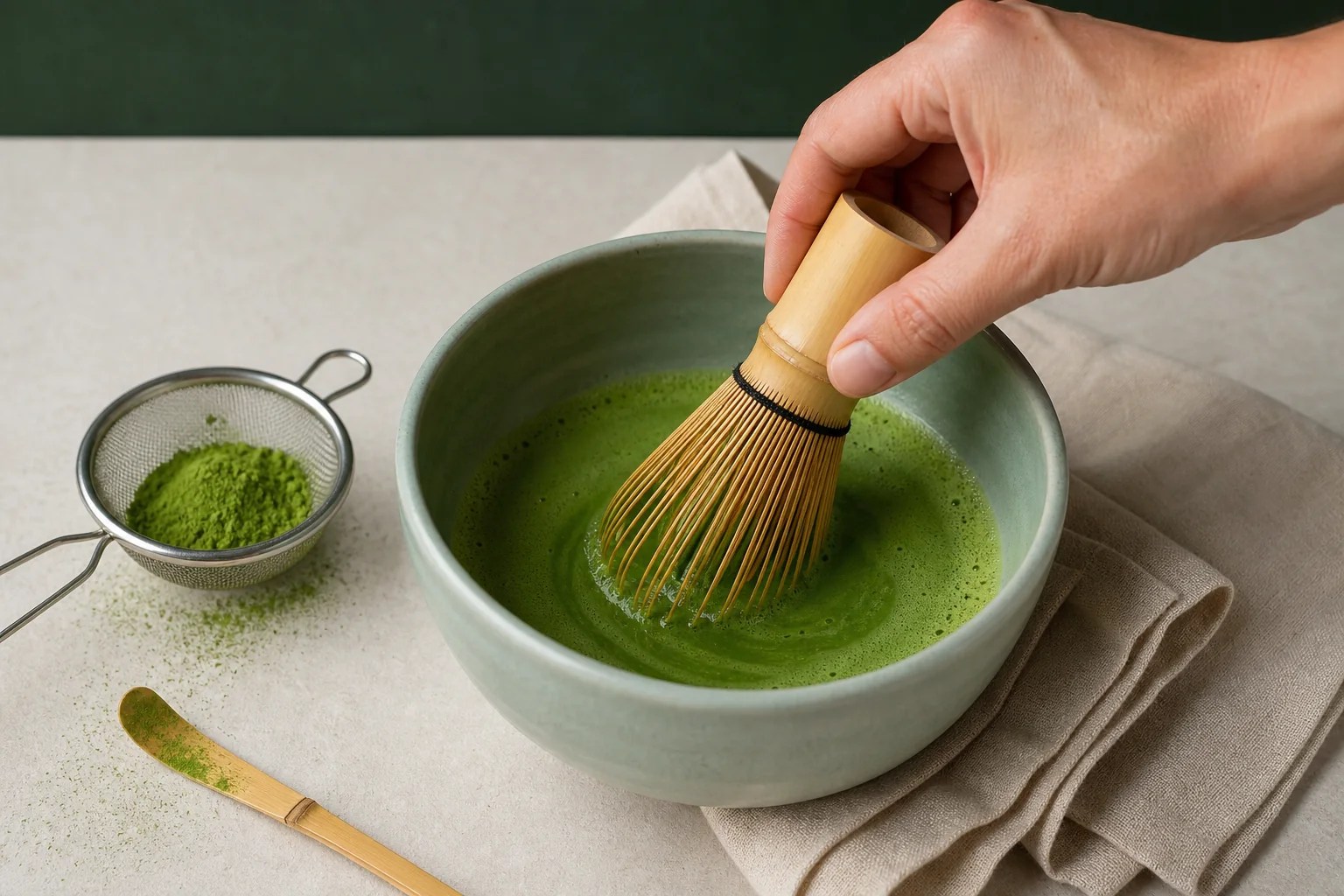
Matcha
Whisked tencha powder. A suspension of tea, not a strained infusion.

Masala chai
Tea simmered with milk, spice and sweetness. A family of household and regional recipes—not one universal authentic formula.

Flash-chilled iced tea
Bright iced tea brewed to full aroma. Brew a concentrate hot, then chill it immediately over measured ice.

Leaves in a bowl
Large, clean leaves and quiet direct drinking. Tea, water and an open bowl with almost nothing between them.
Clarity can be beautiful. It is not a safety test.
Golden light is sensory language for luminosity and balance in naturally clear infusions. Matcha, deep-steamed sencha, and masala chai can be excellent while intentionally opaque. Dilution changes concentration, not the total caffeine already extracted.
 Being Tea Co